

The Emotional Prep Checklist for Pregnancy (That Nobody Talks About)

You’ve probably spent hours researching the safest car seat, folding tiny onesies into drawers, and debating which pram will actually fit through your front door.
The nursery is painted. The hospital bag is packed. The freezer is full of meals.
But there’s one thing missing from almost every pregnancy checklist: emotional preparation for pregnancy.
Nobody sits you down and says, “Here is how to get ready for the biggest identity shift of your life.” Nobody warns you that your relationship will change, that you might not feel an instant bond with your baby, or that grief for your old life can sit right alongside fierce love for your new one.
And nobody reminds you that pregnancy itself is worth slowing down for.
This is the checklist I wish someone had handed me alongside the baby registry. Not to scare you, but to help you actually be present for this extraordinary time.
What Is Emotional Preparation for Pregnancy?
Emotional preparation for pregnancy is the process of getting ready for the mental, emotional and identity changes that come with becoming a mother.
It goes beyond birth plans and baby gear, helping you feel more grounded, supported and aware as you move through pregnancy and into postpartum.
Your Emotional Pregnancy Prep Checklist
1. Acknowledge the Identity Shift Ahead
Becoming a mum does not just add a new role to your life. It reorganises everything: your priorities, your sense of self, your daily rhythm, your relationships. This is not something to fear. But it is something to prepare for.
Start by asking yourself:
What parts of my life feel most important to me right now?
What am I most afraid of losing?
What kind of mum do I want to be, not the perfect version, the real one?
2. Slow Down and Savour This Chapter
Pregnancy is not just a waiting room for motherhood. It is its own experience, and it deserves your attention. You do not have to love every moment. The heartburn, the insomnia, the swollen ankles; nobody is asking you to enjoy those. But there are small, fleeting things that only exist in this window of your life, and they are worth
noticing.
Try:
- Take a weekly bump photo, even just on your phone. You’ll be glad you did.
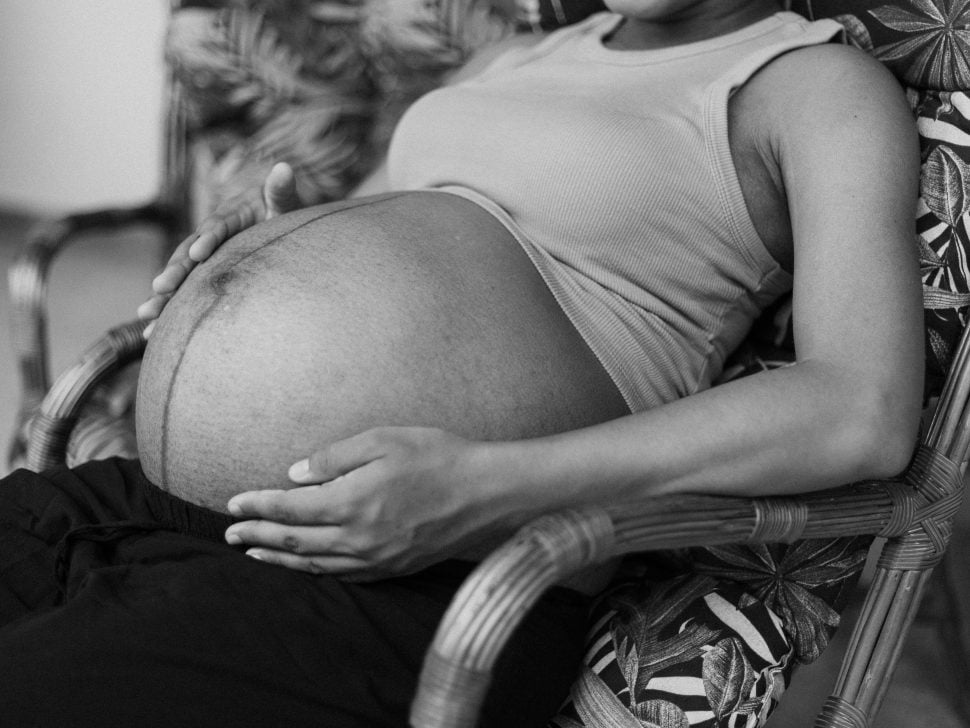
- Pause and notice the kicks and rolls. Place your hand on your belly and be with your baby for a moment.
- Book something just for you, like a pregnancy massage or prenatal yoga class.
- Create a small ritual that makes pregnancy feel like yours (a weekly walk, favourite tea, or playlist).
- Follow your curiosity. If something feels special (hypnobirthing, bump casting, maternity shoot), give yourself permission to do it. This time doesn’t come back.
Research shows mindful awareness during pregnancy supports lower stress and stronger prenatal bonding.
3. Talk About Your Relationship Before Baby Arrives
Relationship satisfaction often shifts after baby arrives, not because love disappears, but because the logistics of caring for a tiny human put pressure on everything.
Have conversations now:
How will we divide responsibilities?
What does support look like for each of us?
How will we stay connected during hard seasons?
Sometimes starting these conversations is the hardest part. If your partner is the kind of person who does better
with something to read first, the Dear Partner guide can help open that door. It gives them a clear, compassionate
picture of what you are going through and practical ways to show up.
4. Build Your Support Village Early
One of the strongest protective factors for maternal mental health is support and having a having a support network in place before the
baby arrives. Not a huge crowd. Just a few people who can show up in different ways.
Think about:
An emotional support person – the person you can call when you are crying at 2am and just need someone to say, “That sounds really hard.”
A practical helper – the one who will bring food, hold the baby so you can shower, or do a load of washing without being asked.
A professional – a psychologist, counsellor, or perinatal coach you can reach out to if things feel heavier than expected.
If you are not sure where to start, my free guide Becoming a Mother walks you through how to build your support
tribe, including ready-to-use scripts for asking for help.
5. Let Go of the “Perfect Mother” Myth
Social media is full of glowing pregnancy photos, serene breastfeeding shots, and mothers who seem to have it all
together. That is not the full picture. The reality of early motherhood includes doubt, exhaustion, boredom, frustration, and moments where you wonder
if you are doing any of it right. These feelings do not mean you are failing. They mean you are human.
Motherhood includes:
Doubt
Exhaustion
Frustration
Deep love
You are allowed to:
Not enjoy every moment
Feel unsure
Ask for help
Just survive some days
6. Understand Baby Blues vs Perinatal Mental Health Challenges
Many mothers experience “baby blues”, temporary emotional ups and downs.
But around 1 in 5 Australian women experience more persistent challenges like anxiety or depression.
You do not need to diagnose yourself. But knowing what to watch for means you are more likely to reach out early if something does not feel right.
Signs to watch for:
Ongoing sadness beyond two weeks
Feeling disconnected from your baby
Distressing or intrusive thoughts
Withdrawal from support
Feeling overwhelmed long-term
If this feels familiar, reaching out early matters. A GP or perinatal psychologist can help.
7. Create a Postpartum Emotional Plan
You’ve created a birth plan, now create an emotional one.
Ask yourself:
Who will I call if I’m struggling?
What are my early warning signs?
What grounds me daily?
What can I let go of?
Write it down. Share it. Keep it visible.
Your Pregnancy Emotional Checklist (Quick Summary)
☐ Reflect on the identity shift ahead
☐ Slow down and savour pregnancy
☐ Have honest relationship conversations
☐ Build your support village early
☐ Let go of perfection
☐ Understand mental health signs
☐ Create a postpartum emotional plan
☐ Download a support guide
How to Prepare for Postpartum Emotionally
Preparing for postpartum emotionally means building awareness, support and realistic expectations before your baby arrives.
It helps you feel more grounded, less alone, and better equipped to navigate the early weeks of motherhood.
Frequently Asked Questions About Emotional Preparation for Pregnancy
What is emotional preparation for pregnancy?
What is matrescence?
How can I prepare mentally for motherhood?
You do not need to have everything figured out before your baby arrives.
But taking even a few of these steps can make a real difference to how you feel in those early weeks and months.
Because when you understand matrescence, you understand yourself and your experience.
About the Author
Dr Mandy Godwin is a registered psychologist, researcher in the transition to parenthood, and mum of three. She
founded Mums in Bloom to provide evidence-based emotional support for pregnant and postpartum mothers in
Australia.
Her free guides, Becoming a Mother (pregnancy) and Beautifully Messy (postpartum), are available to download
now.
If you are looking for personalised support, Mandy offers 1:1 coaching sessions for mothers navigating pregnancy,
postpartum, and the return to work.
You can also find Mums in Bloom on Instagram and Facebook.


Mental Health
Mums in Bloom
Mandy is a registered perinatal psychologist, mum of three, and the founder of Mums in Bloom. She supports pregnant and new mothers who are finding this season more emotional, confusing, or isolating than they expected. If you've ever thought, "I love my baby, but I feel like I'm falling apart," you are exactly who I support, and you are not alone.
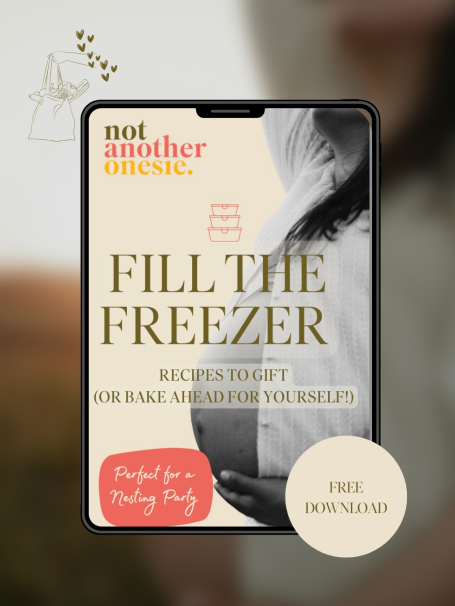
Fill the Freezer - recipes to gift or make ahead
Whether you’re preparing for your own postpartum, showing love to a new mum, or simply wanting to make everyday life a little easier, food is one of the most nourishing gifts we can give. This recipe collection has been created with you in mind: quick to make, freezer-friendly, and packed with ingredients that fuel tired bodies and busy minds. Each one can be baked ahead of time for yourself or wrapped up and given as a thoughtful gift. Includes 6 recipes, a shopping list and a plan to get them all prepped and ready in one go.
You may also be interested in...


Parent.ed
Amy Watson is an Endorsed Midwife, IBCLC Lactation Consultant, and Maternal and Child Health Nurse based in Melbourne, supporting families through pregnancy, birth, breastfeeding, and early parenthood. With over 15 years of experience across hospital and community settings, she provides private, continuity-based care that is both clinically grounded and deeply personalised.




Learn about the support you didn't know you needed.
We have cherry picked the most useful resources for your fourth trimester so that you don't have to waste precious hours searching.
Article - Dr Mandy Godwin (Mums in Bloom)
Navigating the Emotional Side of Pregnancy and New Motherhood
The emotional side of pregnancy and new motherhood doesn’t come with a manual, but thankfully, Mandy Godwin, a perinatal psychologist in Australia and founder of Mums in Bloom, has created two free guides to help mums navigate this tender time and support their emotional wellbeing during pregnancy and postpartum.


Article - Sarah Mahri (Sarah Mahri Babywearing)
Babywearing Safety: How to Choose the Right Baby Carrier and Wear Your Baby Safely
In this guide, Babywearing Educator Sarah Mahri explains why so many families choose babywearing, how to choose the right baby carrier for your family, what a safe and supportive fit looks like, and the most common mistakes she sees parents make.

Article - Courtney Wilton (Nourished Psychology)
Maternal Rage – What Triggers It and How to Find Relief
Understand the triggers behind maternal rage—sleep deprivation, lack of support, and loss of self-identity and discover simple self-care strategies and support systems that can help you manage stress and find relief. Ever feel intense anger as a mother? Uncover the triggers behind maternal rage and explore practical tips to reclaim your balance and self-care.

Article - Louise Barton & Elisha Wildblood (Not Another Onesie)
Why Motherhood Feels So Hard
Dear Mama, We see you. We see the way you pour yourself into motherhood, the way you carry the weight of the world while still showing up with love and strength, even when you feel like a shadow of yourself. As a society, we sit here adding to the pressure, adding to the load and, let's be brutally honest - failing you miserably every step of the way. We owe you an apology.