

Postpartum Recovery, Confinement & Care: A Modern Mother’s Guide to Support
Postpartum recovery is one of the most important yet overlooked stages of motherhood. While many women prepare for birth, far fewer are supported through the fourth trimester. In this interview, Melbourne-based founder U-Fhern of Elan House of Wellness shares her perspective on postpartum care, traditional confinement practices, and what real support for mothers can look like in modern Australia. This kind of postpartum recovery support Australia is only just beginning to be understood and prioritised.
Meet U-Fhern: Founder of Elan House of Wellness
Q. Before we dive in, can you tell us a little about yourself and what life looks like for you right now?
I’m U-Fhern, founder of Elan House of Wellness. I’m Malaysian Chinese, grew up in Brunei, and eventually found home in Melbourne after moving to Australia for high school. I am a daughter, sister, wife, and mother, and right now, life feels full in the most layered, luminous way.
My family is my North Star, and everything flows from there. It has taken almost a decade of motherhood to truly understand that even though my children are my everything, I am the anchor of this home, and for all of us to thrive, I must care for myself too.
My days are rarely the same, woven between the rhythm of family life, the demands of building Elan, and the constant practice of staying present through it all. Some days feel expansive and aligned. Others feel messy and stretched. I’ve learned not to chase balance as a perfect state, but to move with the seasons of it. Motherhood has softened and sharpened me at the same time, made me more intentional about how I spend my energy, and more honest about what I need.
The Story Behind Elan House of Wellness
Q. Tell us about Elan House of Wellness, what it is, and what was the feeling or need that brought it to life?
Elan was born from a very personal place. After my own postpartum experiences, I began to see how much was missing in the Western world, not just in practical care, but in how mothers are held, seen, and supported through one of the most profound transitions of their lives.
Elan House of Wellness is our way of reintroducing that care. The kind that once appeared naturally, through a mother, an aunty, a mother-in-law. When I became a mother for the first time, I couldn’t fathom how any woman could navigate that tender season alone.
Our offerings are rooted in traditional postpartum wisdom, particularly confinement practices, drawn from both my Chinese and Malaysian heritage and thoughtfully adapted for modern life. It is nourishment. It is ritual. It is structure. But more than anything, it’s about creating a sense of being looked after during a time when a woman is giving so much of herself. The feeling behind it was simple: no mother should have to move through this phase depleted and alone.
How Culture Shapes Postpartum Care and Women’s Wellness
Q. Your background spans different cultures and countries. How has that shaped the way you see motherhood and women’s wellness?
Growing up across cultures, you begin to see that there is no single “right” way to move through motherhood. Some traditions prioritise rest, others independence, some community, others resilience. What stayed with me was how many traditional cultures choose to centre the mother in the postpartum period.
From girlhood, I heard about the importance of postpartum confinement and its lasting impact on a woman’s future health, held with more reverence, even, than marriage. There is a deep understanding in these traditions that a mother’s recovery is not separate from the wellbeing of her family. It is foundational to it.
That perspective shaped how I see women’s wellness, not as something reactive, but as something that deserves to be supported proactively, especially during life’s great transitions. In TCM, a woman’s life is seen as a journey through seasons rather than a series of isolated moments. How she is cared for and honoured through each season plays a profound role in how she steps into the next.
What Is Postpartum Confinement?
Q. Many mothers haven’t come across the concept of postpartum confinement before, or if they have, it can sound quite daunting. Can you walk us through what it actually is?
Confinement is often misunderstood. The word itself doesn’t do the practice justice, it can evoke images of restriction, even gloom. But the heart of it is something far more gentle: protection and restoration.
Traditionally, it’s a period of around 30 to 40 days where a mother is given space to focus solely on healing, on bonding with her baby, on being deeply nourished. That means warm, nutrient-dense foods, minimal physical strain, and being held by others so she doesn’t have to carry the full weight of daily life alone.
While confinement is widely known in Chinese culture, many traditional cultures around the world observe similar practices after birth. At its core, it is about slowing everything down so the body can recover properly. In today’s world, it doesn’t need to look rigid or extreme. It can be softened, adapted, but the intention remains: to honour the depth of what the body has moved through.
Why the Postpartum Period Matters for Long-Term Health
Q. Traditional Chinese Medicine holds that the postpartum window is one of the most important periods in a woman’s long-term health. Can you help us understand why that early time matters so much, and what it can mean for a woman’s health further down the track?
In Traditional Chinese Medicine, the postpartum period is seen as a window where the body is both vulnerable and deeply receptive. After birth, a woman’s system is depleted, her blood, her energy, her warmth.
If that depletion isn’t properly restored, it can surface later in quiet, persistent ways, fatigue, hormonal imbalances, weakened immunity, emotional fragility. But when the body is well supported during this time, it has the capacity to rebuild stronger than before.
It is one of those rare and remarkable windows where the right care can echo through decades. We often say that the first 40 days after birth lay the foundation for the next 40 years, carrying a woman all the way through to menopause. It’s not simply about surviving the newborn phase. It’s about setting the ground beneath a woman’s health for the years ahead.
A Mother’s Real Experience of Postpartum Recovery
Q. Having been through the postpartum period more than once, what has your own experience taught you about recovery, and what do you wish you’d known earlier?
I was fortunate to have my mother’s care the first time around, but if I’m honest, my postpartum planning was almost non-existent. I knew she would be there and assumed she’d have everything covered. That was the extent of it, and even that revolved largely around the practical: the cooking, the cleaning, an extra set of hands with the baby.
Looking back, I wish I had been more intentional about the parts that so often go forgotten. I’d have been more considered about who came to visit in those early days, COVID lockdowns during my third postpartum showed me the gift of being held inside your own family bubble. I’d have prepared myself for the spiritual and emotional unfolding of becoming a mother again. And I’d have invested in a postpartum doula earlier, there was a guilt I carried when leaning on my mum, a sense that I was borrowing something precious, where as paid support felt like something I was allowed to receive without apology.
What Modern Motherhood Has Lost (and Needs Back)
Q. What’s one piece of traditional postpartum wisdom that you feel the modern world has overlooked and what would it look like if we actually embraced it?
That a mother deserves to be cared for as deeply as she cares for her baby.
In so many modern settings, the focus shifts almost entirely to the newborn, and the mother becomes secondary, present but unseen. Traditional wisdom holds both equally.
If we truly embraced that, it would look like structured support: meals prepared, space held, expectations softened. It would mean mothers no longer having to manage everything while still recovering. It would look like less pressure to bounce back, to return to life as it was before, as if something seismic hadn’t just occurred. It would feel slower. More supported. Far less isolating.
How to Bring Postpartum Support Into Real Life
Q. For mothers who want to bring some of these practices into their own postpartum, can you walk us through what Elan offers and how it’s designed to be used, even in those early hazy newborn days?
Everything we create is designed with that early haze in mind. We know those first days are not the time to be figuring things out.
Elan offers ready-to-use nourishment, herbal blends, tonics, and pantry staples that support recovery with minimal effort. The intention is to simplify, so that mothers can still receive the benefits of these traditions even without a full confinement setup around them.
You don’t need to do everything perfectly. Even small, consistent acts of nourishment have their own power.
How the 28-Day Postpartum Package Supports Recovery
Q. Can you walk us through your 28 Day Postpartum Package, what does a mother receive, and how is it designed to be used in those early newborn days?
The 28 Day Postpartum Package is designed to mirror the traditional confinement period in a way that feels accessible and unhurried. It offers a structured approach to nourishment across those first four weeks, guiding the body through the different stages of recovery, everything portioned, everything guided, with no guesswork required.
Mothers can simply follow along, day by day, without needing to plan or prepare extensively. It’s meant to feel like a quiet, steady layer of support in the background, something they can lean on while everything else feels new and shifting.
We’ve taken away the stress of sourcing and preparing the herbs, so you can let the wisdom of traditional medicine do what it has always done: restore, replenish, and return you to yourself, while you sink into this sacred time.
Beyond Postpartum: Everyday Nourishment and the Dry Pantry Range
Q. Your Dry Pantry Range feels really accessible and not just for the postpartum period. Who is it really for, and how do families tend to use it?
The Dry Pantry Range was created to live beyond postpartum and also adds a different flavor profile to the Chinese herbs. While it’s rooted in the same principles of warming, nourishing food, it’s really for anyone who wants to support their body more intentionally, through the colder seasons, through stress, through recovery of any kind.
Families often weave it into their everyday rhythm as a simple, grounding addition to meals. It reflects something I believe deeply: that these practices aren’t reserved for one particular season of life. They can become part of how we care for ourselves, gently and consistently, all year long.
Supporting the Nervous System and Recovery: Key Products
Q. Tell us about The Calmer as well as the Belly and Jamu Bundle, what are they, what do they do, and who are they really for?
The Calmer is designed to support the nervous system. It’s gentle, grounding, and offers a sense of steadiness, something so many mothers need, yet rarely give themselves permission to prioritise.
The Belly and Jamu Bundle draws more directly from traditional practice and is a nod to my Malaysian heritage. It supports digestion, circulation, and internal warmth, pillars of postpartum recovery, but deeply beneficial beyond it too. Both are intentionally versatile.
I’m three years postpartum with my youngest, and I still reach for the Jamu Oil and the binder as part of my own self-care ritual. I take the Jamu Oil with me when I travel, especially when I’m enjoying more indulgent foods, it helps me stay connected to my body, and brings warmth and support to my digestive and nervous systems wherever I am.
Rebuilding the Village: Postpartum Recovery Support in Australia
Q. What does rebuilding the village actually look like for a modern family living in Australia, practically speaking, and is it ever too late to start prioritising postpartum care?
Rebuilding the village doesn’t mean recreating the past exactly as it was. It can begin small. A meal train. A check-in. Shared responsibilities. Asking for help, and allowing yourself to actually receive it.
It might also mean investing in tools and resources that take some of the weight off. Even now, when I’m moving through seasons of high stress or busyness, I invite my postpartum doula to come and support our family, we fill the freezer together, and something in the house settles.
But I think there’s a particular story we tell ourselves about modern motherhood, that endurance is a badge of honour, that managing it all alone somehow means you’ve done it right. And while you might be able to carry it all, I gently ask: at what cost? Your nervous system? Your presence with the people you love most? There is no award for the Most Burnt Out Mother. Don’t let the world’s expectations determine how you mother. Tune in to what you need, and build your village around that.
And it is never too late. Postpartum doesn’t have a fixed endpoint. Many women are still carrying depletion years after giving birth. Beginning to care for yourself, whether it’s weeks, months, or even years on, is still meaningful. Your future self will be grateful you started.
The Honest Truth About Motherhood
Q. What’s something about your own motherhood journey, the real, unpolished version, that you feel is important for other mothers to hear?
That it doesn’t always feel beautiful, even when you love your children beyond measure.
There are moments of doubt, of exhaustion, of disconnection, and none of that makes you a bad mother. It makes you human. My greatest lesson has been learning that while my children have shown me a love I never knew I was capable of, each of them has also brought forward my fears, my insecurities, my shadows. Their presence in my life has asked me to look deeply at myself, to find a different way, to reach toward a different understanding. They are as much my teachers as I am theirs.
We don’t speak enough about that complexity. Motherhood can hold joy and heaviness in the same breath. Making space for both, without apology, is part of what makes it real.
Explore Elan House of Wellness in The Mama Edit
We’ve curated a selection of Elan House of Wellness products inside our Mama Edit – designed to support mothers through postpartum recovery and beyond. Thoughtful, practical, and rooted in real care, these are pieces you can lean on when you need support the most.
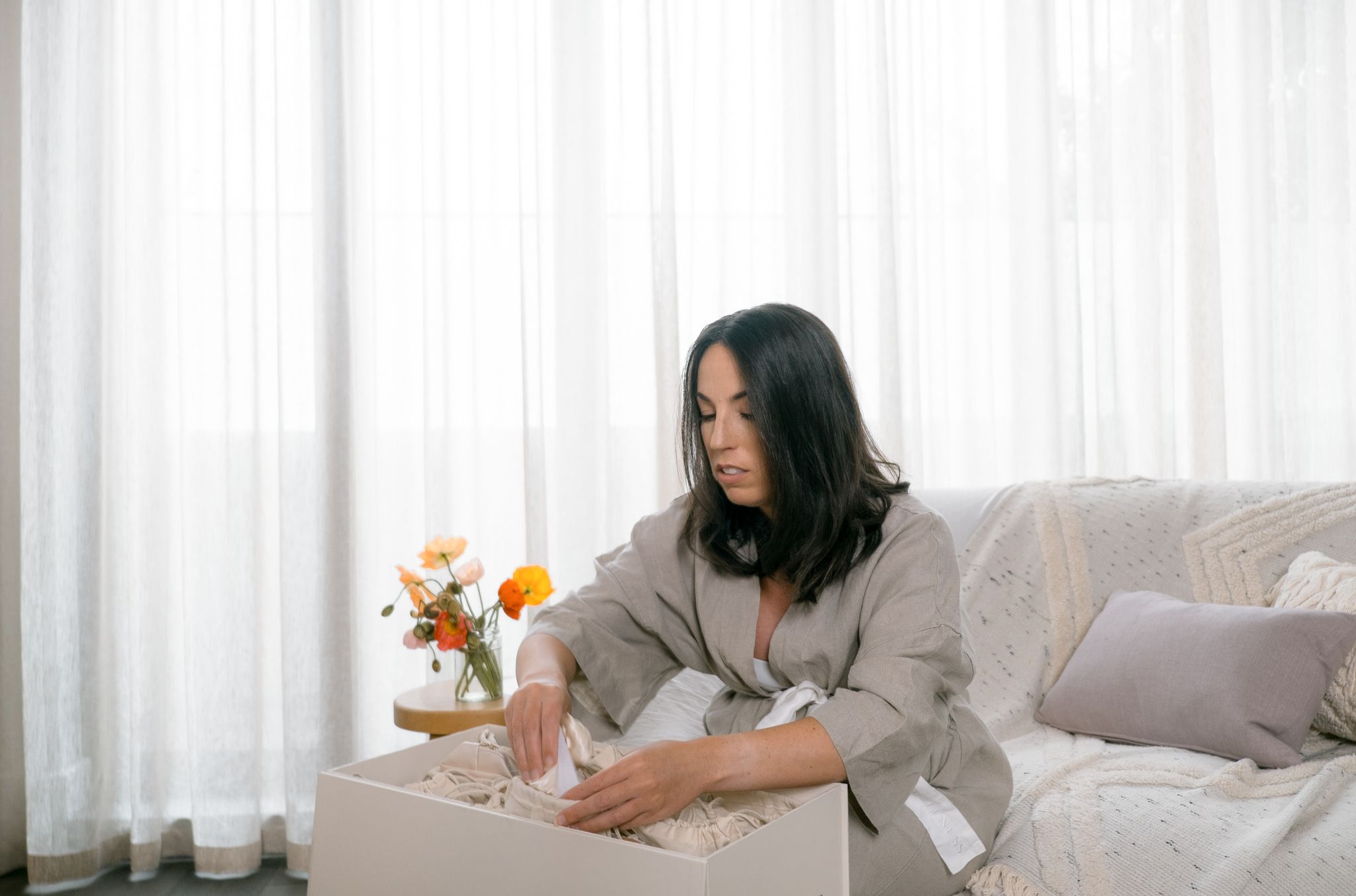
Elan House of Wellness x Not Another Onesie Curated Collection
U-Fhern Chang; Founder of Elan House of Wellness, has personally curated a boutique collection of her beautiful offerings especially for Not Another Onesie.
Elan House of Wellness hope to bring about deep change to our modern practices of pregnancy and postpartum care. They aim to change the thinking around what true postpartum maternal care looks like through education, dialogue and sharing of experiences, and provide tangible care for mothers and their families in the areas of nutrition, physical treatments, cosmetic products and gifts.
Frequently Asked Questions About Postpartum Recovery
What is postpartum confinement?
Why is postpartum recovery important?
What support do new mothers need after birth?
Is it too late to focus on postpartum recovery?
Finding the right postpartum recovery support Australia can make a meaningful difference to how a mother heals and adjusts.
Looking for postpartum support?
Explore trusted postpartum doulas, recovery specialists and support services in NAO our directory.

Conversations to Have Before Bub Arrives - Free to Download
The best preparation isn’t having all the answers, it’s knowing how to have the conversation.
Download your free Couples Conversation Cards and create space for the discussions that can help you navigate pregnancy, postpartum and parenthood as a team.
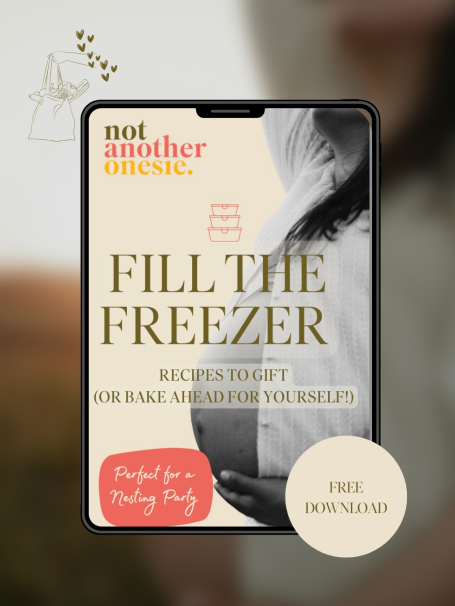
Fill the Freezer - recipes to gift or make ahead
Whether you’re preparing for your own postpartum, showing love to a new mum, or simply wanting to make everyday life a little easier, food is one of the most nourishing gifts we can give. This recipe collection has been created with you in mind: quick to make, freezer-friendly, and packed with ingredients that fuel tired bodies and busy minds. Each one can be baked ahead of time for yourself or wrapped up and given as a thoughtful gift. Includes 6 recipes, a shopping list and a plan to get them all prepped and ready in one go.

You may also be interested in...
Pause Postpartum
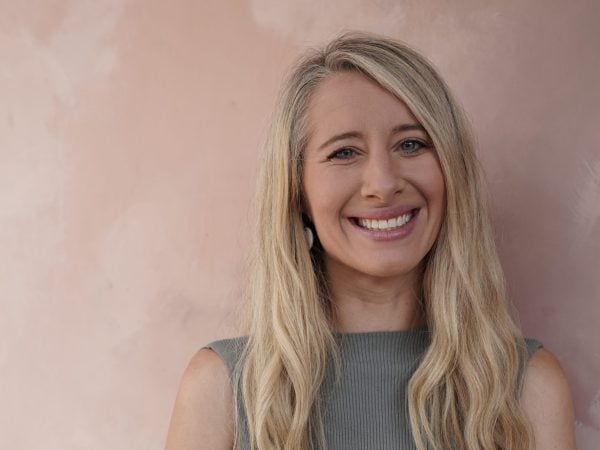
Paula is an Endorsed Midwife and the founder of Pause Postpartum, a private midwifery service supporting families in the early weeks after birth. With extensive experience in pregnancy, birth and postpartum care, Paula has seen how much more confident families feel when they are truly supported, and how this positively impacts their postpartum experience.

Learn about the support you didn't know you needed.
We have cherry picked the most useful resources for your fourth trimester so that you don't have to waste precious hours searching.
Article - Elise Clement (Psychotherapy & Coaching)
Managing Emotions as a New Mother
Managing emotions as a new mother can be tough. This post shares simple tips to help you process feelings, set boundaries, and support your well-being. Early motherhood is an emotional rollercoaster. This post shares practical tips to help you process feelings and nurture your well-being.

Article - Louise Barton + Elisha Wildblood (Not Another Onesie)
Conversations to Have Before Bub Arrives
These conversations can help you understand each other's expectations, worries, hopes and plans before life becomes beautifully busy with a newborn. From sleep and support to finances, family boundaries, communication and the mental load, these are the conversations many couples don't have until they're already navigating postpartum.
Watch - Elisha Wildblood and Louise Barton (Not Another Onesie)
What is the perfect mother myth and why does it exist?
The 'perfect mother' myth: What is it and why does it exist?
Article - Kylee Shepherd (Ma Wisdom)
Keeping the Village Strong: How Modern Grandparent Workshops Support Families
Becoming a parent doesn’t just change your life; it reshapes the whole family. As new mums navigate sleepless nights, identity shifts, and the steep learning curve of parenthood, their own parents are experiencing a transition too. That’s where modern grandparent workshops come in. Across Australia, these programs are helping families strengthen connection, understanding, and boundaries so that everyone, parents, grandparents, and babies, can thrive together.
Article - Illy Lawrence (The Sick Sense)
How to Clean Your House After Family Sickness
This practical guide walks through simple steps for cleaning your house after family sickness, helping reduce germs in the home and reset your space once everyone is feeling better. Ever reached the end of a sickness stint with your family and thought, “Yep, I could absolutely just light a match and start over”?