

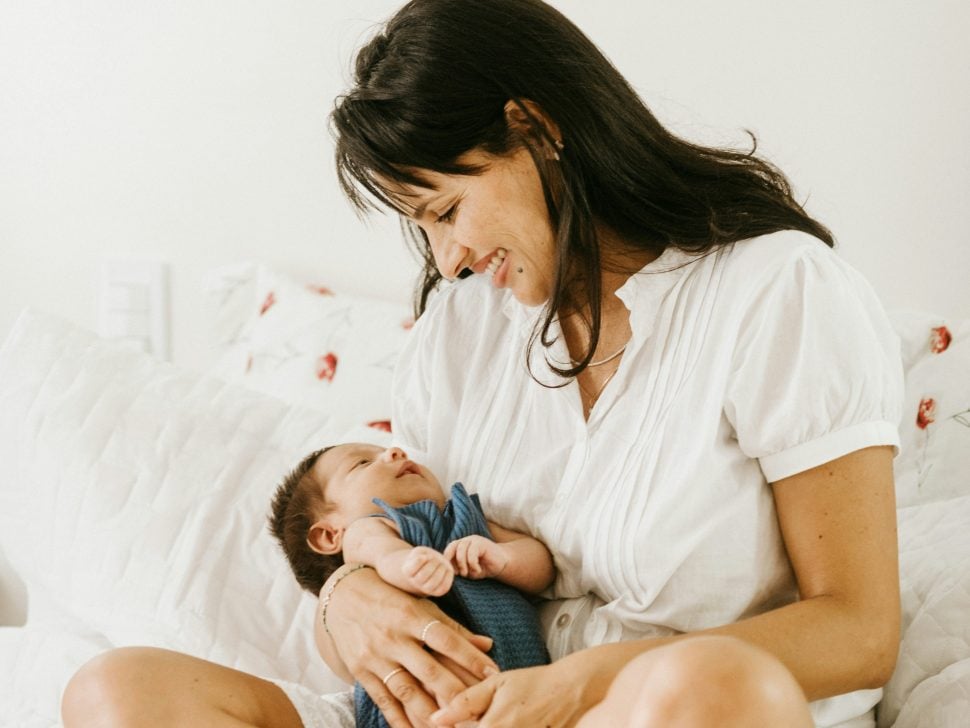
What is Matrescence?
We know that adolescence can be an awkward and painful time – a time where we change on every level – physically, emotionally, mentally, and hormonally – and we are not the same person on the other side.
But what if I told you that the transition into motherhood can be thought of in the same way, and we even have a word for it.
The concept of matrescence gives us a framework to see the transition into motherhood as every bit as awkward, painful, and profound as adolescence, and allows us to reclaim and celebrate this shift in identity.
Matrescence was first used by anthropologist and breastfeeding advocate, Dana Louise Raphael.
“The critical transition period which has been missed is matrescence, the time of mother-becoming…giving birth does not automatically make a mother out of a woman…the amount of time it takes to become a mother needs study.”
— DANA RAPHAEL, ‘MATRESCENCE, BECOMING A MOTHER, A ‘NEW/OLD’ RITE DE PASSAGE’ (1975)
Dana Raphael recognised that birthing a mother may not happen instantaneously when her baby is born. The birth of a mother is a process which takes time to develop and is perpetually evolving. In fact, a mother is reborn many times over – as she has more children, and as her children grow and go through their own stages of development. The mother of a newborn is not the same mother as when her child is a teenager.
We may be our children’s first teachers;
however, our children are our best teachers.
Recently this term has been revived and expanded by Aurelie Athan, clinical psychologist and faculty member at Columbia University, as a ‘developmental passage where a woman transitions through pre-conception, pregnancy and birth, surrogacy or adoption, to the postnatal period and beyond’.
Since the birth of humankind, mothers have organically passed their stories and wisdom on to new mothers. This eases the transition into motherhood, because the new mother feels ‘held’ by the wisdom of those around her, and is encouraged to listen to her own wisdom.
Reclaiming matrescence is about centering the mother!
Giving a new mother space to consider her own transition can seem odd and uncomfortable because we are conditioned to put our own needs to the side. A new mother doesn’t receive the same compassion, understanding, and support on her journey into motherhood as an adolescent does on their journey to adulthood.
Matrescence is something that needs to be acknowledged, appreciated, and nurtured throughout a woman’s entire life as a mother, and then as a grandmother.
We are always learning as a mother, the mother of a newborn and a toddler mothers differently to the mother of an adolescent and adult child and I invite you to reflect carefully, and be kind to yourself, as you grow into each transitional phase in your motherhood journey.
Being a mother is a dynamic experience, an opportunity for growth and happiness. It changes every single part of our being in a purposeful way.
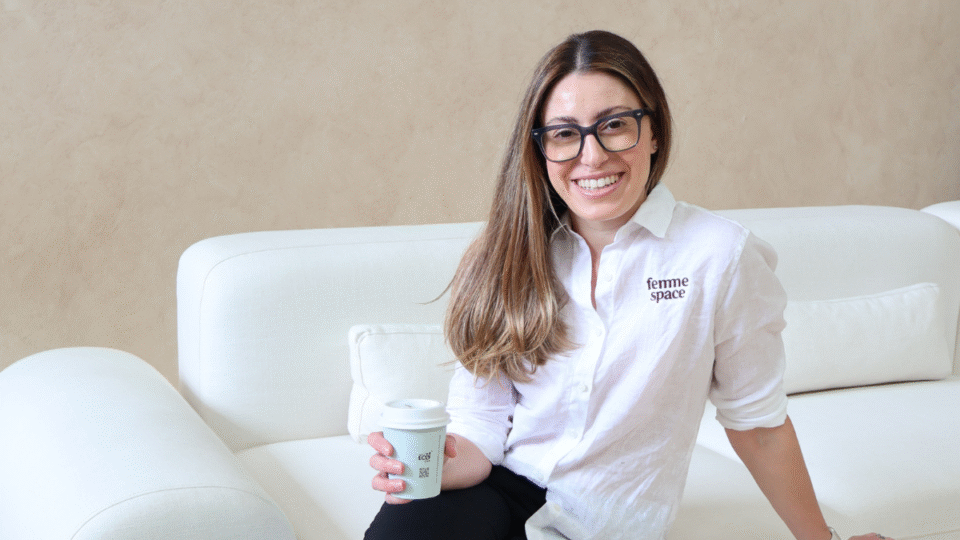
Article - Emma Attard (Femme Space Physiotherapy)
Pelvic Floor Physio: The Pregnancy and Postpartum Questions Women Are Afraid to Ask
We asked Emma Attard, founder of Femme Space Physiotherapy, the questions women might be unsure or embarrassed to ask: what a pelvic health physio actually does, when to book, whether Kegels are the answer and what happens at a first appointment.

Article - Louise Barton & Elisha Wildblood (Not Another Onesie)
More Than a Cleaner: How Family Clean Is Helping Australian Families Get Their Time Back
Every family experiences times when life feels a little fuller. For some, it's late pregnancy when everyday household jobs become physically difficult. For others, it's the newborn months, where every spare minute is spent feeding, settling and soaking up precious moments with a new baby. Many families reach out when returning to work, during school holidays or while juggling multiple children's schedules. And increasingly, Family Clean supports parents who are caring for both young children and ageing parents at the same time.

Watch - Louise Barton + Elisha Wildblood (Not Another Onesie)
Why Becoming Parents Changes Even the Strongest Relationships (And What Actually Helps)
Becoming Parents Together: The Conversations, Confidence and Connection Every Couple Needs brings together three organisations dedicated to supporting fathers, relationships and families through the transition into parenthood. Whether you're expecting your first baby, navigating the newborn months or supporting someone you love, this webinar offers practical insights, reassurance and real conversations that every parent deserves to hear.
Article - Rashelle Leahy (Mummas Circle)
Feeling Lonely as a New Mum? How to Find Your Village
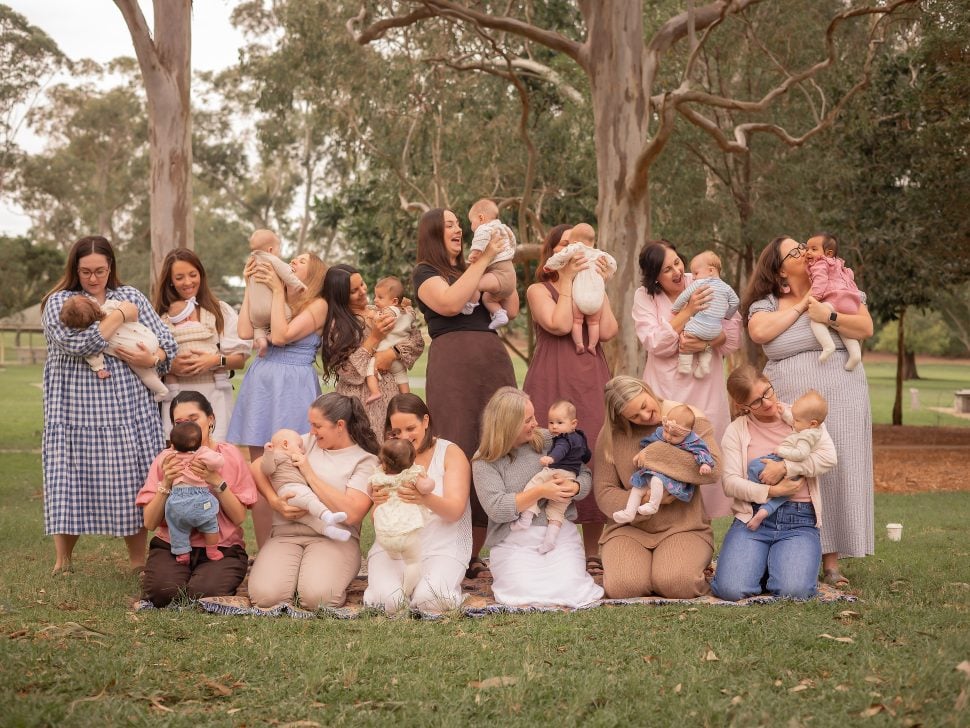
Loneliness in new motherhood is something many women experience, even when they're surrounded by people. Finding a supportive community, whether through mothers' groups, local activities, friends or professional support, can make the transition to motherhood feel less isolating. Mummas Circle founder Rashelle Leahy shares why finding your village matters and what her own experience taught her about connection after having a baby.

You may also be interested in...
Tender Space Doula
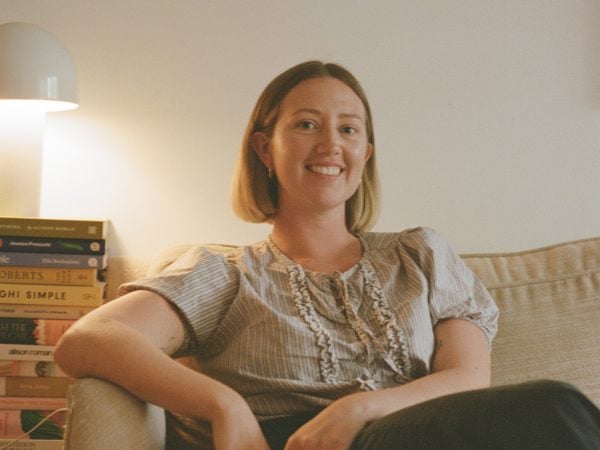
Natasha, a postpartum doula & mum of two based in Brisbane. She felt a strong pull towards postpartum care work following her own transition into motherhood. This monumental shift demonstrated the importance of mother centred care and village support. Tender Space seeks to create a postpartum experience that leaves you feeling nurtured, held and empowered.
Learn about the support you didn't know you needed.
We have cherry picked the most useful resources for your fourth trimester so that you don't have to waste precious hours searching.
Article - Louise Barton + Elisha Wildblood (Not Another Onesie)
How to Talk About Sharing the Mental Load with Your Partner: A Complete Guide
In many households, the mental and emotional work of managing a family, often called the invisible load, falls disproportionately on mothers. It's not just about doing tasks; it's about carrying the mental checklist: remembering appointments, organising activities, planning meals, and anticipating everyone's needs. Over time, this invisible mental load can lead to resentment, overwhelm, and burnout.

Article - Louise Barton + Elisha Wildblood (Not Another Onesie)
When You Need the Village Around You: The In-Home Support Every New Family Deserves
In this edition of The Support Edit, we're introducing four Australian businesses helping families feel held through pregnancy, birth and the postpartum period. Whether through practical help, emotional support or specialised postpartum care, they're rebuilding the village one family at a time.
Article - Elisha Wildblood and Louise Barton (Not Another Onesie)
Beyond Baby Stuff: Gifting Support to New Mothers
At Not Another Onesie, we're passionate about gifting support services that improve life after birth for mamas everywhere. We believe new mothers need love, support, and nourishment more than baby stuff.

eBook - Louise Barton + Elisha Wildblood (Not Another Onesie)
Mama’s Guide to Prepping for Pregnancy, Birth & Beyond
Mama’s Guide to Prepping for Birth, Pregnancy & Postpartum is your ultimate pregnancy and postpartum guide designed to help you feel informed, supported, and ready for every stage of motherhood. Covering key topics for each trimester, birth preferences, a hospital bag checklist, breastfeeding tips, and essential postpartum care, this downloadable PDF is packed with expert-backed advice and practical tools.
Article - Louise Barton + Elisha Wildblood (Not Another Onesie)
Not Sure What You Need After Baby Arrives? Start Here
The truth is, most mums aren’t told how to prepare for the fourth trimester, the raw, tender, and transformative time after birth. You might feel sore, sleep-deprived, disconnected, or emotionally all over the place. And that’s completely normal. But it doesn’t mean you have to go through it alone. This blog is your gentle starting point, a guide to the kinds of support you may need (and deserve) after baby arrives.