

The Support You Didn’t Know You Needed: How Compression Wear Supports Pregnancy and Postpartum Recovery
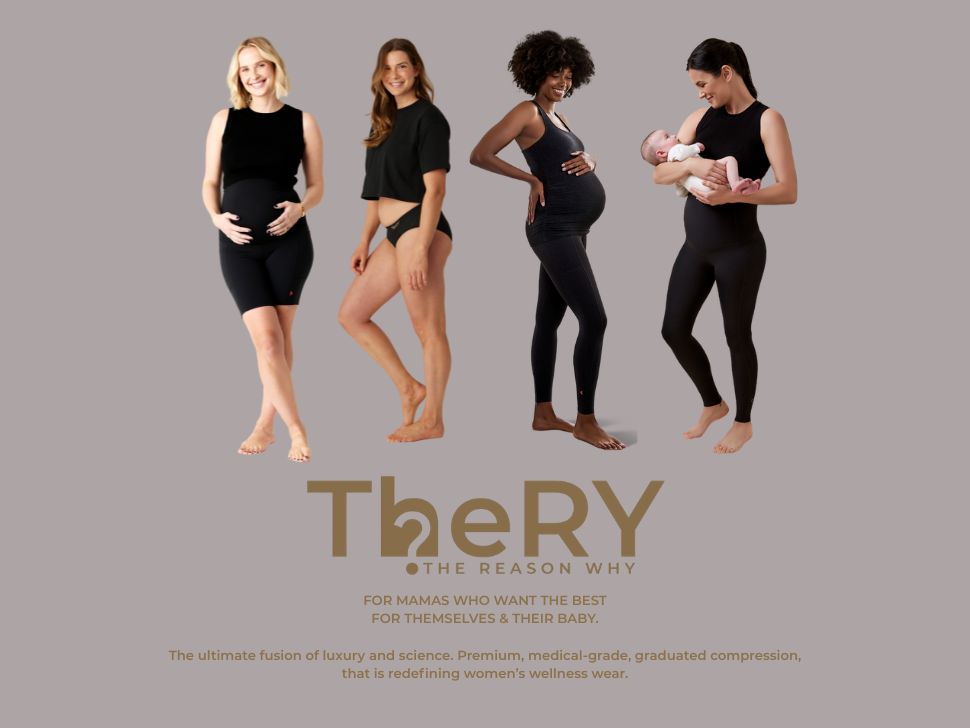
Motherhood changes your body in incredible, and sometimes overwhelming, ways. From pregnancy through to postpartum recovery, your body is constantly adapting, healing and rebuilding. While much of the focus is on caring for your baby, many women are left wondering how to better support their own recovery. Alongside rest, proper nutrition, gentle movement, and seeking advice from pelvic health professionals, compression wear has emerged as one of the most effective, yet often overlooked tools. Not the stiff, clinical kind, but modern, comfortable compression designed to support women through pregnancy, postpartum and beyond.
What is compression wear and how does it work?
Medical-grade compression (15–20mmHg, Class 1), like The Reason Why’s (TheRY) range, applies pressure to specific areas of the body, to support circulation and recovery.
Research shows this level of compression can help:
- Improve blood flow/circulation
- Reduce swelling and edema in the legs and ankles
- Support muscle recovery
- Decrease discomfort and fatigue
- Provide gentle abdominal and pelvic support
Graduated compression means pressure is firmest at the ankle and decreases up the leg, helping blood flow back toward the heart. This can help reduce fluid retention, swelling and discomfort – especially common during pregnancy and postpartum. By promoting circulation and lymphatic drainage, compression wear may also help reduce
inflammation and support the body’s natural healing processes after birth.
A modern approach to compression
Compression wear has evolved. TheRY’s pieces are designed to feel as good as they look – combining science-backed performance with a modern, design-led aesthetic.
Think:
- Postpartum leggings that support recovery without feeling restrictive
- Pelvic support underwear designed for discreet, everyday wear
- Breathable, ultra-soft fabrics suitable for sensitive skin
This is wearable wellness: support that you reach for to wear all day, because you want to, not just because you feel you should.
Why compression is beneficial during pregnancy
During pregnancy, your blood volume increases by up to 50%, and your heart works harder to pump that extra blood around your body and to your baby. This increased demand can impact circulation, often leading to swelling, heaviness and discomfort in the legs.
Graduated compression helps improve blood circulation, which can:
- Reduce swelling and fluid retention, including those dreaded cankles
- Lower the risk of varicose veins, particularly if you’re experiencing swollen feet or in your second or subsequent pregnancy
- Alleviate leg discomfort, including heaviness, fatigue and aching – common in later stages of pregnancy
- Help reduce the risk of blood clots and Deep Vein Thrombosis (DVT) which you are at increased risk of during pregnancy, by promoting healthy blood flow and preventing blood from pooling in the legs
A simple addition like medical-grade, graduated compression socks or leggings can make a noticeable difference, helping you feel more comfortable, supported and mobile throughout pregnancy.
If you’re experiencing pelvic pain or SPD, vulvar varicosities, stress incontinence or prolapse symptoms (such as heaviness or a dragging sensation), targeted compression through the pelvic floor and perineal region may provide relief. TheRY’s Uplift Pelvic Support Brief is designed to do exactly this. Its medical-grade Uplift Pelvic Sling™ compression bands work to gently lift and support the pelvic floor and perineal area, and because it features no abdominal compression, it can be comfortably worn throughout pregnancy. It can be worn by itself or paired under TheRY’s Saviour Maternity Compression Leggings.
Why compression is beneficial for postpartum recovery
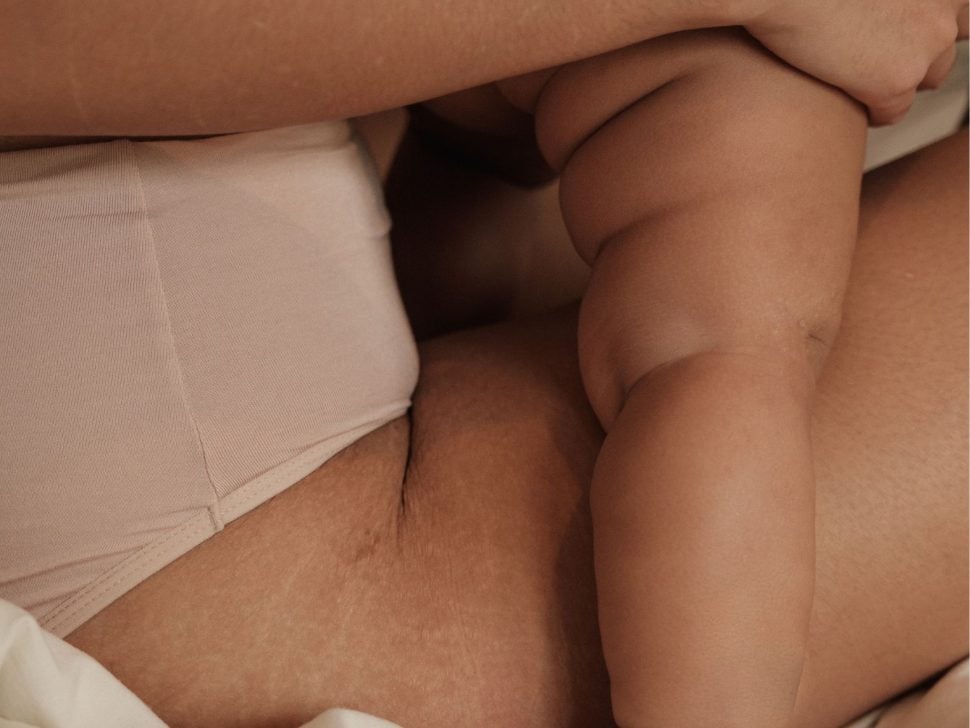
Whether you’ve had a caesarean or vaginal birth, the postpartum period is a time of significant physical recovery. Your body is healing, your core is rebuilding, and your pelvic floor may feel weakened or sensitive.
Postpartum compression, such as TheRY’s Restorer Postpartum Compression Leggings, combines circulation support with targeted abdominal compression to support recovery.
Circulation support has similar benefits to those mentioned above in relation to pregnancy (e.g. help reduce swelling, fluid retention, and risk of blood clots), which is especially helpful in the early postpartum period as your body works to restore balance and sheds excess fluid.
Targeted abdominal compression can support recovery from abdominal separation or DRAM, which is very common during pregnancy. Research shows 60% of women have a separation at 6 weeks postpartum. The goal after birth “is to help the abdominal muscles move back towards the midline and regain strength and function.” Targeted abdominal compression can help by holding the connective tissue in a shortened position, which aids healing and guides the abdominal muscles back into place. It also helps with posture (especially when lifting, feeding, changing nappies or moving), which can protect your core from strain while it recovers.
C-section recovery is also improved by targeted compression. By providing gentle, consistent pressure that helps to reduce swelling, alleviate pain/discomfort, and support abdominal muscles and connective tissue.
Lower back and pelvic support helps stabilise the body as it regains strength and function.
Prolapse and stress incontinence is also very common after birth. If you’re experiencing this, targeted compression to the perineal and pelvic floor — such as TheRY’s Uplift Pelvic Support Brief — can help (as discussed above). This is also the case if vulvar varicosities or SPD has not yet resolved.
It’s not about “bouncing back”
Postpartum recovery isn’t about returning to your pre-pregnancy body. It’s about feeling supported, comfortable and confident in your body as it is now. And when your body feels supported, everyday life becomes that little bit easier.
How to choose the right compression wear
When choosing compression wear for pregnancy and postpartum recovery, consider:
Compression level
Fit
Fabric
Function
Features
A simple place to start
Compression wear can be a simple yet powerful addition to your pregnancy and recovery toolkit, helping you feel more comfortable, supported and confident as you move through this stage of motherhood.
If you’re new to compression wear, start with one or two pieces that will best suit your needs. Even small changes in how your body feels can make a meaningful difference.
Every woman’s experience is different, so listen to your body and seek guidance from your healthcare provider where needed.
Find these pieces in our NAO Motherhood Store – The Mama Edit
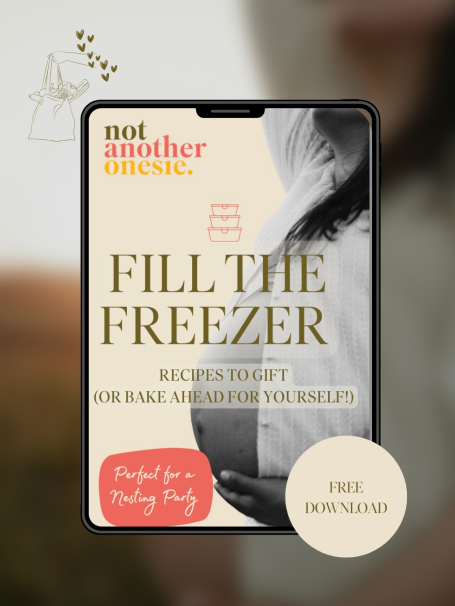
Fill the Freezer - recipes to gift or make ahead
Whether you’re preparing for your own postpartum, showing love to a new mum, or simply wanting to make everyday life a little easier, food is one of the most nourishing gifts we can give. This recipe collection has been created with you in mind: quick to make, freezer-friendly, and packed with ingredients that fuel tired bodies and busy minds. Each one can be baked ahead of time for yourself or wrapped up and given as a thoughtful gift. Includes 6 recipes, a shopping list and a plan to get them all prepped and ready in one go.
You may also be interested in...





Newborn Home Care
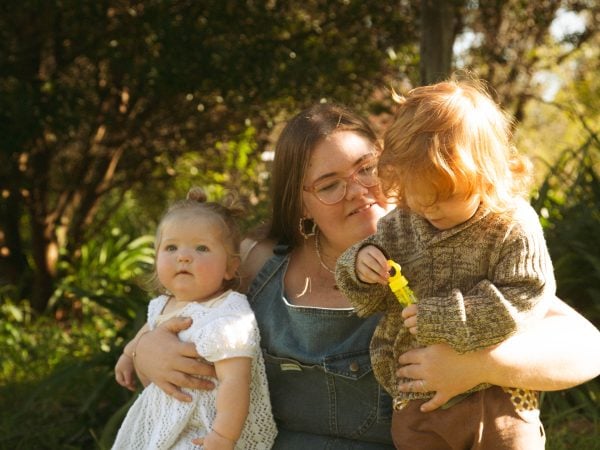
Newborn Home Care is a home-based and Zoom online nursing and lactation service providing parents with guidance and support to welcome a new baby. We can help you to settle into life with your new little one and feel confident with how to feed and care for him in ways that help him be content. An International Board Certified Lactation Consultant is available, offering the latest evidence-based support to help with any breastfeeding or lactation concerns.
Learn about the support you didn't know you needed.
We have cherry picked the most useful resources for your fourth trimester so that you don't have to waste precious hours searching.

Article - Louise Barton & Elisha Wildblood (Not Another Onesie)
Postpartum Support Australia: How to Plan Pregnancy, Birth & Fourth Trimester Care
The reality is this: while Australia has excellent maternity care, structured postpartum support in Australia is not automatically built into the system. And yet postpartum is when support matters most. This guide will show you how to organise pregnancy support, birth support services, and most importantly, proactive postpartum support in Australia, so you are not left navigating the fourth trimester alone.
Article - Louise Barton + Elisha Wildblood (Not Another Onesie)
Not Sure What You Need After Baby Arrives? Start Here
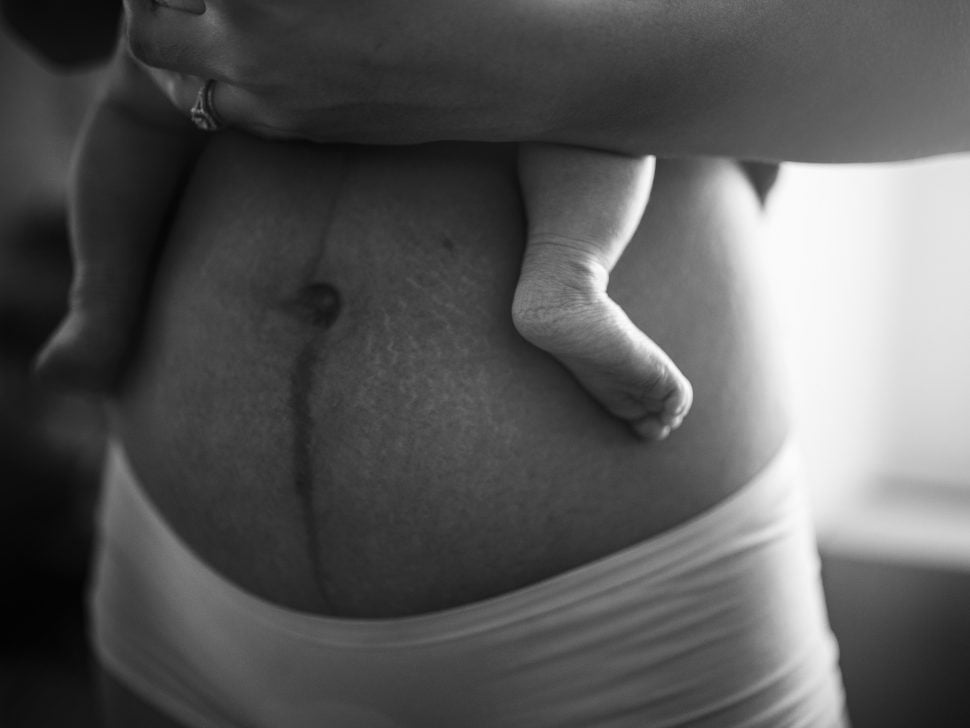
The truth is, most mums aren’t told how to prepare for the fourth trimester, the raw, tender, and transformative time after birth. You might feel sore, sleep-deprived, disconnected, or emotionally all over the place. And that’s completely normal. But it doesn’t mean you have to go through it alone. This blog is your gentle starting point, a guide to the kinds of support you may need (and deserve) after baby arrives.
eBook - Katie Blakely (Katie Blakely Wellness)
The Postpartum Nutrition Guide for Mamas
Hey Mama, are you preparing for postpartum? Or have you just had a bub and wondering how to manage this time, supporting yourself while you nourish and support your bub? This little eBook aims to help you feel prepared for postpartum, provide tips to support yourself, understand the nutritional requirements that come with postpartum, and to help you reach these goals.

Watch - Elisha Wildblood and Louise Barton (Not Another Onesie)
In Conversation With Dr Renee White from Fill Your Cup
Untethered: the raw truth of identity shift in motherhood.

Article - Narelle Dickinson ( Lotus Health and Psychology)
Is This Normal? The Emotional Rollercoaster of Pregnancy and Motherhood.
Mental health during pregnancy and postpartum is something many mothers don’t expect to struggle with, but it's more common than we think. In this interview with Lotus Health and Psychology, we explore what perinatal mental health support really looks like, why anxiety is often overlooked, and how to take the first steps even when you feel like you’re running on empty. Whether you're expecting, newly postpartum, or years into motherhood, these insights might be the nudge you didn’t know you needed.