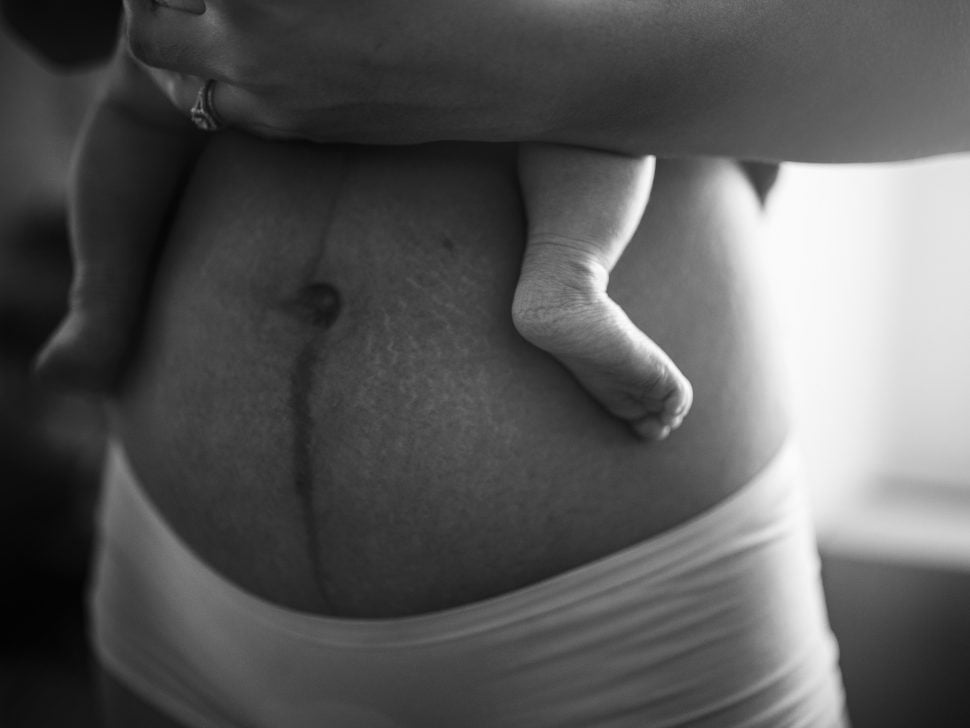
The Quiet Overwhelm No One Talks About
You’ve packed the hospital bag. Folded the tiny onesies. Set up the bassinet.
But then the baby comes… and suddenly the real question hits you:
What now?
What do I need? Not for the baby but for me?
Unfortunately most mums aren’t told how to prepare for the fourth trimester, the raw, tender, and transformative time after birth. You might feel sore, sleep-deprived, disconnected, or emotionally all over the place. And that’s completely normal.
But it doesn’t mean you have to go through it alone.
This blog is your gentle starting point, a guide to the kinds of support you may need (and deserve) after baby arrives.
Postpartum Is Real (And Support Is Essential)
The time after birth, also known as the fourth trimester, is just as important as pregnancy or labour. However, it is often overlooked in the excitement of a new arrival.
Your body is recovering.
Your hormones are shifting.
Your identity is evolving.
Your nervous system is overloaded.
And while you’re caring for a tiny human, you might also be silently asking:
“Who’s caring for me?”
That’s where postpartum support steps in, not as a luxury, but as a form of basic human care.
5 Types of Support You Might Not Know You Need
Let’s break it down into five core areas where support can make a profound difference in your recovery, wellbeing, and confidence as a new mum.
1. Physical Recovery
After birth (vaginal or C-section), your body deserves healing not hustling.
- Pelvic floor physiotherapy can aid in post-birth recovery, bladder control, alleviating discomfort, and improving core strength.
- Postpartum massage eases tension, supports lymphatic drainage, and relieves the aches of feeding and holding a baby.
- Chiropractors can support recovery, ease discomfort, and improve alignment after birth, and also assist your newborn.
🔗 Explore: Pelvic Floor Recovery Services | Postpartum Massage Near You
2. Feeding Support
Whether you’re breastfeeding, pumping, or formula feeding—support matters.
- A lactation consultant can help with latch issues, supply, or painful feeding.
- Bottle-feeding families also benefit from feeding guidance and reassurance.
🔗 Explore: Lactation Consultants & Feeding Help
3. Emotional Wellbeing
Mum guilt, overwhelm, and identity loss can creep in silently.
- Postpartum psychologists and counsellors help you process birth, relationship shifts, and mental load.
- Support groups (online or local) reduce isolation and normalise your feelings.
🔗 Explore: Emotional & Mental Health Services
4. Practical, Hands-On Help
You don’t have to cook, clean, and care for a newborn all at once.
- In-home postpartum doulas can support you physically and emotionally.
- Meal delivery, home help, and sibling care reduce pressure and decision fatigue.
🔗 Explore: In-Home Postpartum Support |
5. Connection & Identity
You are not just a mum.
- Motherhood coaching and matrescence education can help you reconnect with your sense of self.
- Mum & baby groups offer safe spaces to share, vent, laugh, and be witnessed.
So… How Do You Know What You Need Most?
There’s no one-size-fits-all answer.
If you’re feeling physically fragile, start with body support.
If you’re emotionally drained, seek a mental health check-in.
If you just want a hot shower and someone to make you food, start there.
Ask yourself:
- “What feels hardest right now?”
- “Where do I feel most alone?”
- “What would make me feel even 10% more supported?”
Whatever the answer, there’s help available and you deserve it.
You Weren’t Meant to Do This Alone
At Not Another Onesie, we believe every mother deserves a modern village, a place to find the care, expertise, and connection that should be standard, not rare.
Whether you’re navigating sleep deprivation, identity loss, feeding struggles, or just wondering “Is this normal?” you are not alone, and you are not failing.
There are professionals across Australia who are here to walk beside you and hold you as you hold your family.
💛 Start here. Gather your village today.
Explore Our Postpartum & Motherhood Support Directory