


Managing the rollercoaster of emotions in early motherhood can feel like a daunting task. There is so much adjustment, learning and surrender that is required and often very little support available to navigate the massive changes that this phase brings.
Yet emotions act like a gauge, keeping us aware of what works, what doesn’t, where our needs are met and where they aren’t. Tuning in to the emotions that arise and learning to work with them, can allow new mothers to regain a sense of control and keep overwhelm at bay.
Beware of the positivity trap
Did you know that our emotional system works in the same way as our immune system? It allows in what is nourishing and keeps out what is not. Our emotions directly impact our nervous system and making sure that they move through as needed is key to staying mentally and physically healthy.
In the realm of holistic mind/body connection, cultivating positive emotions such as compassion, mindfulness, gratitude, is often the place we’re told to start. However, I’ve noticed with my clients, time and again, that they often can’t easily access these until they start addressing the backlog of repressed emotions which haven’t yet made their way out of their system.
“Suppressing emotions takes a great amount of energy and limits access to joy as
well.” Tami Lynn Kent
In our culture, we tend to overemphasise keeping stress under check and staying
calm at all costs, even though it means repressing healthy emotional response as a
result.
Tears help us process grief and sadness. Healthy anger used as a boundary defence
helps us protect what is precious in our life, the things that matter.
Practicing healthy emotional release as a new mother
So, what can you do to support your nervous system, your mind and your heart to thrive as a new mum?
Practice healthy emotional release. Here are some ways you can do it, and by the same token, support your overall health and wellbeing.
- Put words on what you’re feeling: speak it out loud or write it down. Try not to get stuck in replaying the event in your mind. Instead, focus on identifying the emotions behind the event that triggered you. If you can, follow the sensations in your body as you describe what you’re feeling.
- Get your needs met: an unmet need will often trigger anger and resentment. We live in a world where motherhood is unfortunately not valued and supported adequately. As unfair and disheartening as it is, if we can tune into ourselves enough to identify our needs (for rest, for support, for recognition, etc.) and voice them, we can feel empowered again as we get them met. Every time you feel overwhelmed by frustration, anger, sadness, ask yourself: “what is it that I need right now?”.
- Try therapy or coaching: it can be beneficial if you’re not comfortable accessing your emotions or body sensations on your own or it there’s a history of trauma. It is especially helpful if you’re struggling to identify your needs or ask for help.
- Consider body work: suppressed emotions get trapped in the body. Holistic therapies such as osteopathy, chiropractic, yoga, acupuncture, can help release emotional blockages and support a healthy immune system.
- Use this journaling prompt: where in your life are you not saying no? A great way to gain insights into the areas where you may need to set stronger boundaries in order to address stuck emotions.
And remember the 90-second cycle! According to neuroscience, it takes 90 seconds for the chemicals released by an emotion to flush out of the body. Train your attention so that you don’t get hooked by the thoughts that keep you stuck in the emotion, but instead notice it, breathe through it and watch it move out. This short video by Dr Joan Rosenberg explains this process and I also highly recommend her
book here as a resource to support you.
If you’re keen to stay in shape mentally and emotionally, if you’re going through challenging times and need support to regain clarity, build your confidence and sense of empowerment as a new mother, please reach out. I offer introductory sessions to get to know each other before diving deeper. More about my work here.


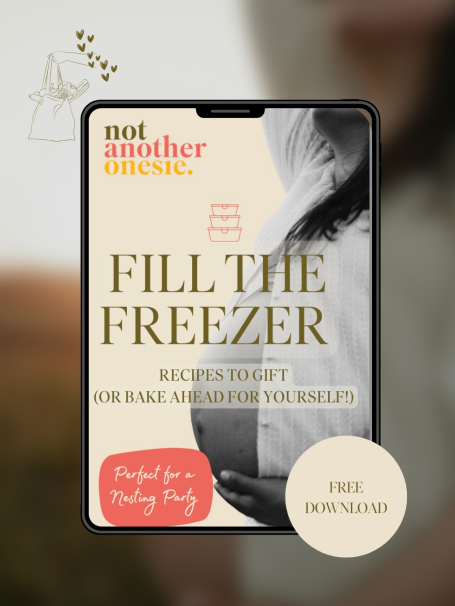
Fill the Freezer - recipes to gift or make ahead
Whether you’re preparing for your own postpartum, showing love to a new mum, or simply wanting to make everyday life a little easier, food is one of the most nourishing gifts we can give. This recipe collection has been created with you in mind: quick to make, freezer-friendly, and packed with ingredients that fuel tired bodies and busy minds. Each one can be baked ahead of time for yourself or wrapped up and given as a thoughtful gift. Includes 6 recipes, a shopping list and a plan to get them all prepped and ready in one go.
You may also be interested in...


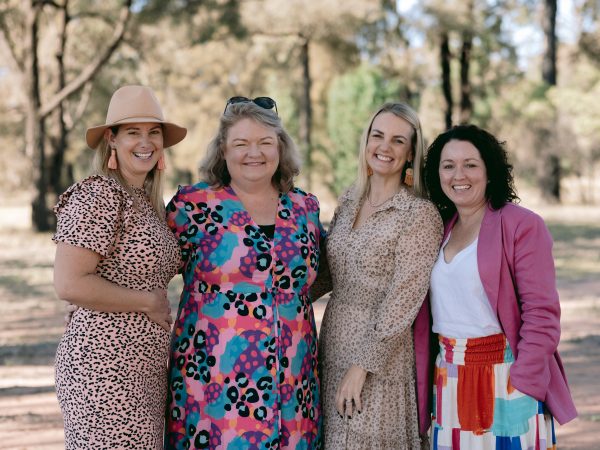



Learn about the support you didn't know you needed.
We have cherry picked the most useful resources for your fourth trimester so that you don't have to waste precious hours searching.

Article - Louise Barton & Elisha Wildblood (Not Another Onesie)
Motherhood & Friendships – Why Everything Feels Different & How to Navigate the Change
The shift in friendships after having a baby is real, and it’s something almost every mother experiences. Let’s dive into why friendships change after motherhood, how to navigate the emotional shifts, and ways to find a new support system that actually fits your life as a mum.

Article - Louise Barton + Elisha Wildblood (Not Another Onesie)
Is a Nesting Party the New Baby Shower Trend in Australia?
Wondering what a nesting party is? Discover why this baby shower alternative is becoming the go-to trend for Australian mums-to-be. As more expecting parents seek meaningful support over tradition, the nesting party is emerging as a powerful, practical, and heartfelt way to gather around the mother, not just the baby.

Article - Louise Barton + Elisha Wildblood (Not Another Onesie)
How to Use Not Another Onesie: Find the Best Pregnancy, Birth & Postpartum Support in Australia
At Not Another Onesie, we’ve created a beautiful, easy-to-use space to help you access the best pregnancy and postpartum support in Australia, from doulas and physios to lactation consultants, sleep guides, and emotional wellbeing tools. This is your step-by-step guide to using our site, finding your village, and getting the kind of care that truly supports you.

Article - Louise Barton & Elisha Wildblood (Not Another Onesie)
Why Motherhood Feels So Hard
Dear Mama, We see you. We see the way you pour yourself into motherhood, the way you carry the weight of the world while still showing up with love and strength, even when you feel like a shadow of yourself. As a society, we sit here adding to the pressure, adding to the load and, let's be brutally honest - failing you miserably every step of the way. We owe you an apology.

Article - Alice Mason (Align with Alice)
Human Design for Motherhood: Understanding Yourself, Your Child, and Your Parenting
At first glance, you might wonder how Human Design is relevant to your motherhood journey, but I want to share with you the incredible wisdom that this modality offers. The way I see it, this support comes in three powerful ways. It provides guidance and understanding of yourself — how you’re wired and what your needs are. It offers insight into your child and practical guidance to parent in accordance with their unique nature. It strengthens the bond between you, helping you foster a relationship built on understanding rather than expectation.