


How Chiropractic Care Supports Your Body Through Pregnancy, Birth, and Beyond
Chiropractic care for pregnancy and postpartum offers powerful support during one of the biggest transitions in a woman’s life. We asked Dr Erin some key questions about how chiropractic care can ease discomfort, support alignment, and aid recovery through pregnancy, birth, and beyond.
1. What are some of the biggest structural changes to the spine and pelvis during pregnancy?
Pregnancy is a beautiful transformation, but it certainly asks a lot from the body. As baby grows, a mama’s centre of gravity begins to shift forward, and in response, the lower back often curves more deeply (called increased lumbar lordosis) increasing the load on the joints of the lumbar spine and pelvis. The body also releases a hormone called relaxin, softening the ligaments to prepare the pelvis for birth. All of this is essential, but it can create changes in the usual support around the spine and pelvis, making day-to-day movement feel more uncomfortable than usual. It can also mean that small misalignments, underlying areas of stress or old injuries become amplified and cause pain or challenges with mobility.
2. How does the nervous system adapt to support pregnancy, and what kinds of stress can show up?
Behind the scenes, the nervous system is working overtime to support pregnancy. Your autonomic nervous system (which manages things like digestion, heart rate, and hormone balance) begins to recalibrate, often ramping up the “fight or flight” side (sympathetic) to meet the body’s growing demands. While this is perfectly normal, it can sometimes leave mums feeling on edge, overwhelmed, or simply “wired and tired.”
Gentle chiropractic care focuses on supporting healthy nervous system function, which may help mothers feel more balanced and resilient during this season of significant change.
3. Why do so many pregnant women experience back pain, pelvic discomfort or sciatica, and how can Chiropractic care help?
You’re not imagining it, aches and pains in the lower back, pelvis, and even down the legs (hello sciatica) are incredibly common during pregnancy. As your posture shifts and your ligaments loosen, muscles and joints work harder to keep everything stable. This can lead to strain, particularly around the sacroiliac joints and lower spine.
Chiropractors use specific techniques to help ease this physical load and support more comfortable movement patterns, all without drugs or invasive procedures. Care is always adapted for each individual, with your safety and comfort as the top priority.
4. What happens to spinal and pelvic alignment during birth, and how might this impact recovery?
Whether a baby is born vaginally, with instrumentation or via caesarean, birth places a big physical demand on the mother’s body. During labour, the pelvis opens and shifts to allow the baby to move through the birth canal, and muscles, ligaments, and joints work together in ways they’ve never done before.
After birth, it’s completely normal for the spine and pelvis to feel a little “off.” Chiropractic care can gently assess alignment and help support your body’s natural recovery process, offering some much-needed relief in those tender early weeks. Some women even stop by for a check-up on their way home from the hospital!
5. How is spinal alignment linked to core recovery, pelvic floor function, and even breastfeeding posture?
Everything is connected, especially after baby arrives. When the spine and pelvis are well-aligned, the muscles of the core and pelvic floor have better structural support and also clearer neurological signals – enabling them to activate and work together. However, when alignment is off, it can be more difficult for these muscles to “switch on,” resulting in slower or more challenging recovery.
Breastfeeding posture is another big one. Many new mums spend hours hunched over without realising it. A Chiropractor can help assess posture and recommend simple changes to reduce strain and support your body as you nourish your little one.
6. What are signs of nervous system stress postpartum, and how can Chiropractic care support regulation?
After birth, there’s often a cocktail of sleep deprivation, hormonal shifts, emotional highs and lows, and a brand new baby to care for. It’s no surprise that many new mums feel physically and emotionally depleted. Signs that the nervous system is under stress might include mood swings, tension, poor sleep, or feeling “on edge” all the time.
Chiropractors who work with new mums aim to support nervous system balance through gentle adjustments. This can help your body shift out of stress mode, encouraging rest, recovery, and more ease in your day-to-day experience.
7. How can a new mum gently and safely integrate Chiropractic care into her postpartum recovery?
In those early postpartum days, less is more. Chiropractic care during this time is gentle, supportive, and always tailored to your unique needs. Whether it’s addressing misalignments from birthing, back or neck tension from feeding, helping you change gears in your nervous system from fight and flight to rest and digest, or simply giving you a moment to breathe, it can be a powerful part of your healing toolkit.
Many mothers find postpartum Chiropractic care essential for their recovery, but also to help them regain power in their body for all the new roles and responsibilities of motherhood.
Find out more about how Dr Erin can support you in pregnancy, birth, postpartum and beyond here and here

Learn about the support you didn’t know you needed.
We have cherry picked the most useful resources for you, so that you don’t have to waste precious hours searching.

Article - Dr Mandy Godwin ( Mums in Bloom )
The Emotional Prep Checklist for Pregnancy (That Nobody Talks About)
Emotional preparation for pregnancy is the process of getting ready for the mental, emotional and identity changes that come with becoming a mother. It goes beyond birth plans and baby gear, helping you feel more grounded, supported and aware as you move through pregnancy and into postpartum.


Article - Illy Lawrence (The Sick Sense)
How to Clean Your House After Family Sickness
This practical guide walks through simple steps for cleaning your house after family sickness, helping reduce germs in the home and reset your space once everyone is feeling better. Ever reached the end of a sickness stint with your family and thought, “Yep, I could absolutely just light a match and start over”?

Article - Mikaela Duffy ( Naturopath & Bodywork)
Understanding Postpartum Depletion: Signs, Causes and How to Recover
For many mothers across Australia, recognising postpartum depletion can be the first step toward finding the right support and beginning the journey back to feeling like themselves again.
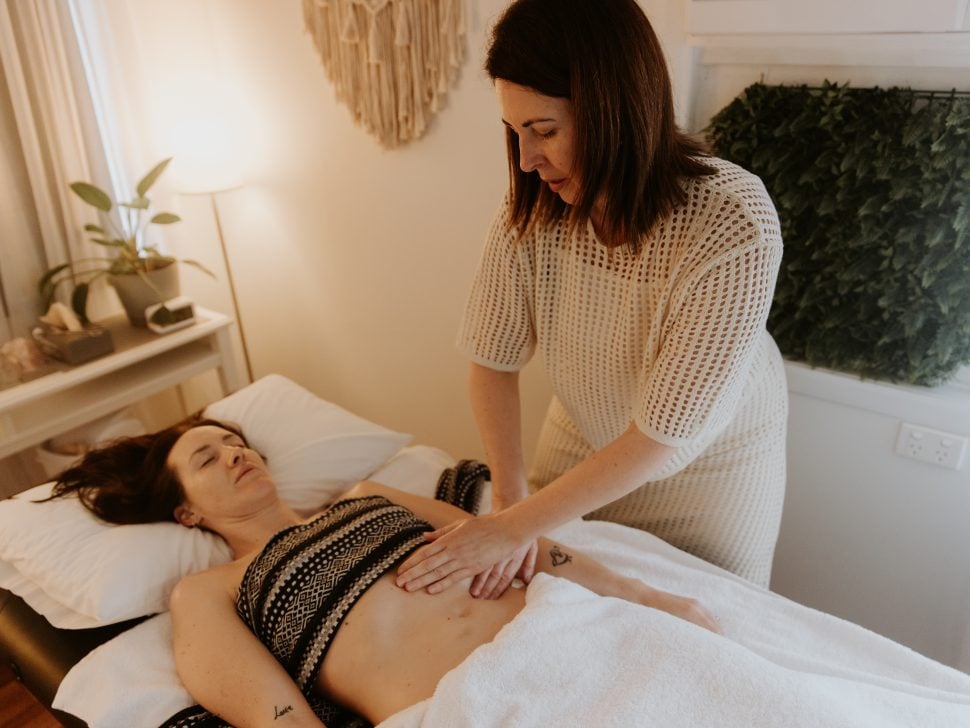
Article - Dr Angela Marshall (Womb to World)
Rebuilding Hormonal Balance in the Fourth Trimester | Postpartum Recovery & TCM Support
The fourth trimester is a critical window for postpartum recovery and hormonal balance. After birth, rapid postpartum hormone changes affect mood, energy, sleep, and emotional wellbeing. Understanding how to support your body during this time can make a profound difference in how you heal, rebuild, and feel in early motherhood.

Let’s Gather Your Village
We have created a free Not Another Onesie eBook to help you gather the support you need to thrive once your baby comes along…
You may also be interested in...





Learn about the support you didn't know you needed.
We have cherry picked the most useful resources for your fourth trimester so that you don't have to waste precious hours searching.

Article - Melissa Miceli (Motherscape)
Occupational Therapy for Mothers: Support for Postpartum Recovery and Matrescence
During the postpartum period, many women experience challenges in daily routines, self-care, and identity. Occupational Therapy (OT) for mothers offers practical and emotional support to help women navigate these changes, rebuild confidence, and find balance in everyday life.

Article - Jackie Gorman (Nurture By Touch)
Jamu Postnatal Massage: The Nurturing Tradition Every New Mother Should Experience For Deep Recovery
This is truly special to witness; it's a real privilege. As I’m within the sanctuary of the family's home for up to 4 weeks, you subtly and gratefully become part of the furniture, quietly and respectfully. So as the days pass through this ancient lineage of care, you see things shift physically, which is pure biology to me, but also her smile changes as you walk through the door, her eyes are more vibrant and her skin colour changes
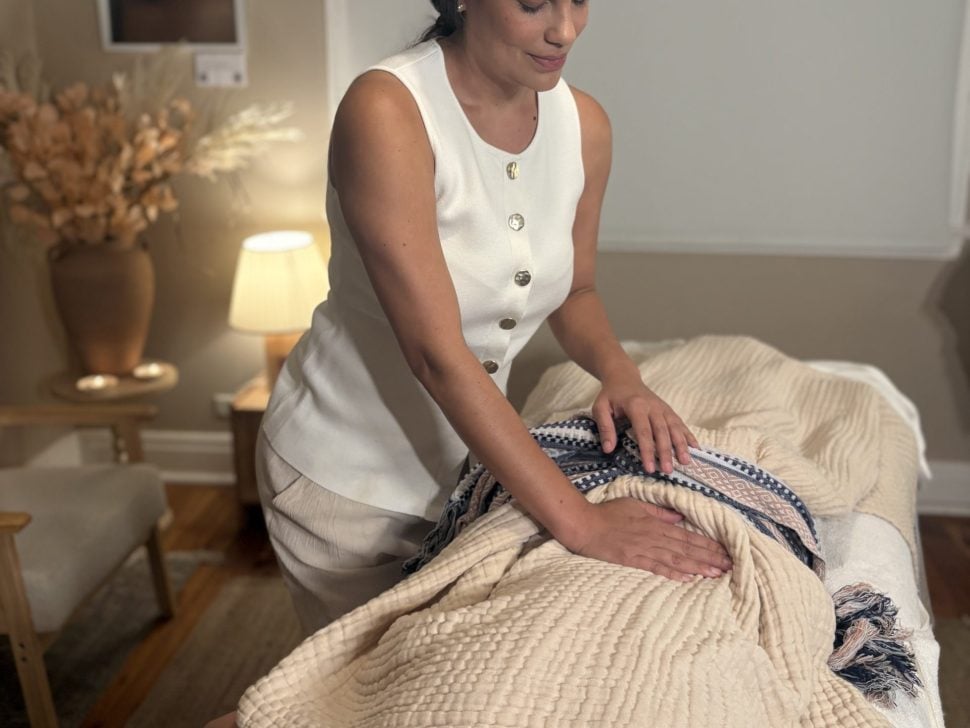
Article - Shaily Nadav (Kavanah Care)
A Sacred Space for Postpartum Recovery
In our ongoing series spotlighting the incredible services in our Not Another Onesie village, we spoke with the heart and hands behind Kavanah Care, a wellness sanctuary offering postpartum support and bodywork that feels like a warm exhale for mothers in their most tender chapter.

Article - Julia Jones (Newborn Mothers)
What is a Doula?
Today, a doula is typically someone who acts as a hub of support, referrals and resources for a person during a major life transition, usually related to birth. Doulas have a holistic approach that considers both mental and physical well-being. Services vary significantly but can include emotional reassurance, information based on scientific evidence, and comfort techniques like massage and nourishing food. The role is not medical, and doulas cannot treat, diagnose or cure any disease.
Article - Mikaela Duffy ( Naturopath & Bodywork)
Understanding Postpartum Depletion: Signs, Causes and How to Recover
For many mothers across Australia, recognising postpartum depletion can be the first step toward finding the right support and beginning the journey back to feeling like themselves again.