

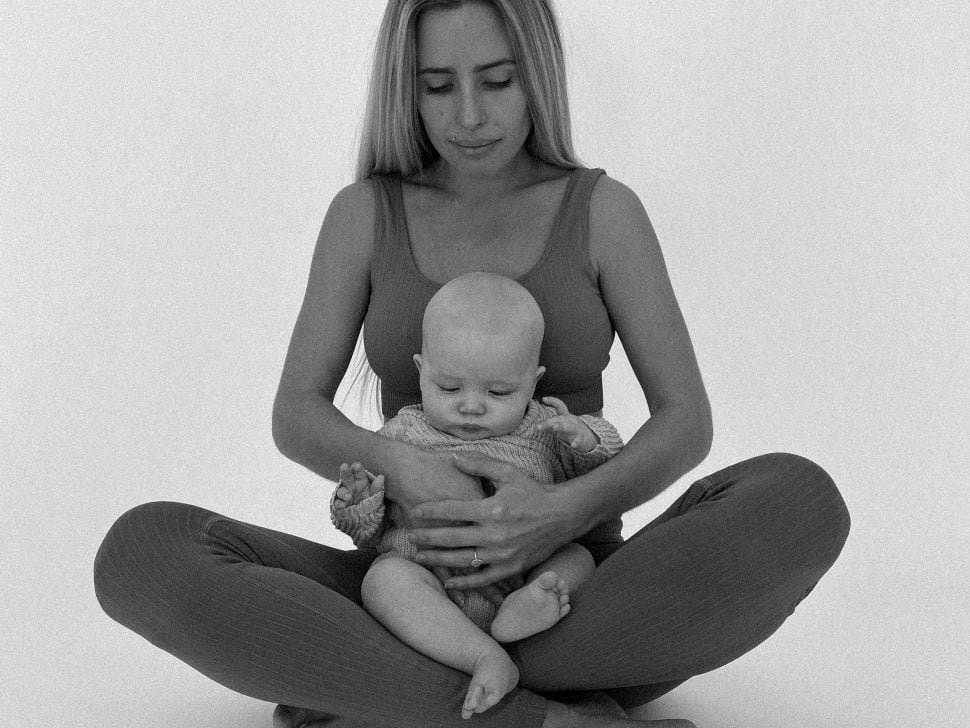
The Benefits of Pre- and Postnatal Reformer Pilates at Feels Pilates Is Pilates Safe During Pregnancy?
One of the most common questions we hear is: “Is Pilates safe during pregnancy?” The answer is yes!
Pilates for pregnancy is an excellent way to stay active, improve strength, and keep your body in balance. Reformer Pilates provides a safe and effective workout for expectant mothers, with modifications and specialised props available for each stage of pregnancy to enhance your comfort and safety.
At Feels Pilates, we take great care to ensure that each exercise is adjusted to your unique needs, providing you with a personalised approach that promotes safety and comfort. Our experienced instructors are trained in prenatal Pilates and understand the specific changes that occur in your body during and after pregnancy.
Benefits of Prenatal Pilates
Prenatal Pilates offers many benefits to support a healthy and comfortable pregnancy:
- Improved Posture: As your body changes during pregnancy, it’s common to experience back pain, especially in the lower back. Pilates focuses on strengthening your core, which helps stabilize your spine and improves posture, reducing strain on your back.
- Enhanced Flexibility and Mobility: Pregnancy can cause your muscles and ligaments to loosen as your body prepares for birth. Reformer Pilates helps maintain strength, flexibility and mobility, reducing the risk of discomfort and improving circulation.
- Strengthens Pelvic Floor Muscles: Strengthening the pelvic floor (and learning to relax the pelvic floor) is crucial during pregnancy. Pilates for pregnancy helps engage and strengthen these muscles, supporting your body through the natural changes pre and postpartum.
- Breathing and Relaxation: Learning proper breathing techniques is a key component of prenatal Pilates. Deep breathing and mindful movement help reduce stress, promote relaxation, and aids in managing intra-abdominal pressure.
Postpartum Pilates: Recover and Rebuild
After giving birth, it’s equally important to focus on recovery and rebuilding strength, and postpartum Pilates can help. Reformer Pilates is an effective way to rebuild muscle tone, regain your core and pelvic floor strength after childbirth.
- Core Rehabilitation: After pregnancy, it’s common to experience weakened or stretched abdominal muscles or “abdominal separation” (diastasis recti). Postnatal Pilates helps you rebuild strength in your core and pelvic floor, supporting recovery and stability.
- Increased Energy: It’s easy to feel fatigued after childbirth, but postpartum Pilates can help boost your energy levels. The movements are designed to gently activate your muscles, improving circulation and reducing stress and fatigue.
- Improved Mental Health: Exercise is well-known for its positive effects on mental health. Postpartum Pilates can lower stress and boost endorphins, giving you a refreshed sense of well-being
- Gentle Progression: You can ease into your postnatal recovery at your own pace, with our experienced instructors who can provide personalised modifications to suit your individual needs.
- Customizable Resistance: With adjustable springs, the Reformer can provide just the right level of resistance to challenge your body at any stage.
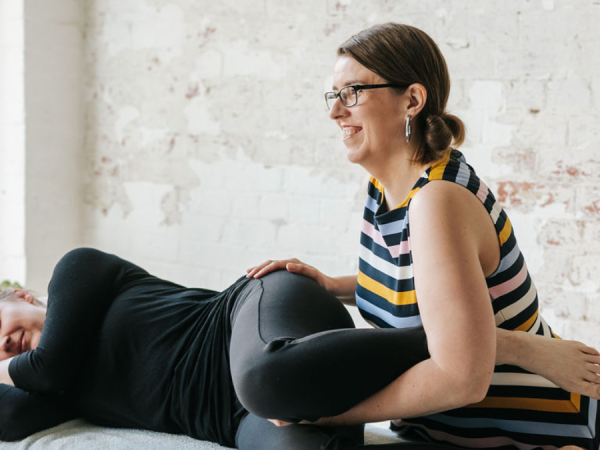
Pregnant or postpartum clients are welcome to attend reformer pilates classes at Feels, with clearance from your doctor. If you are new to reformer, we recommend starting with a Beginner class.
At Feels Pilates, we’re here to guide you every step of the way with expert instructors and a supportive community. Pilates for pregnancy and postpartum recovery doesn’t have to be intimidating – it’s about feeling strong, capable, and supported.

Learn about the support you didn’t know you needed.
We have cherry picked the most useful resources for you, so that you don’t have to waste precious hours searching.
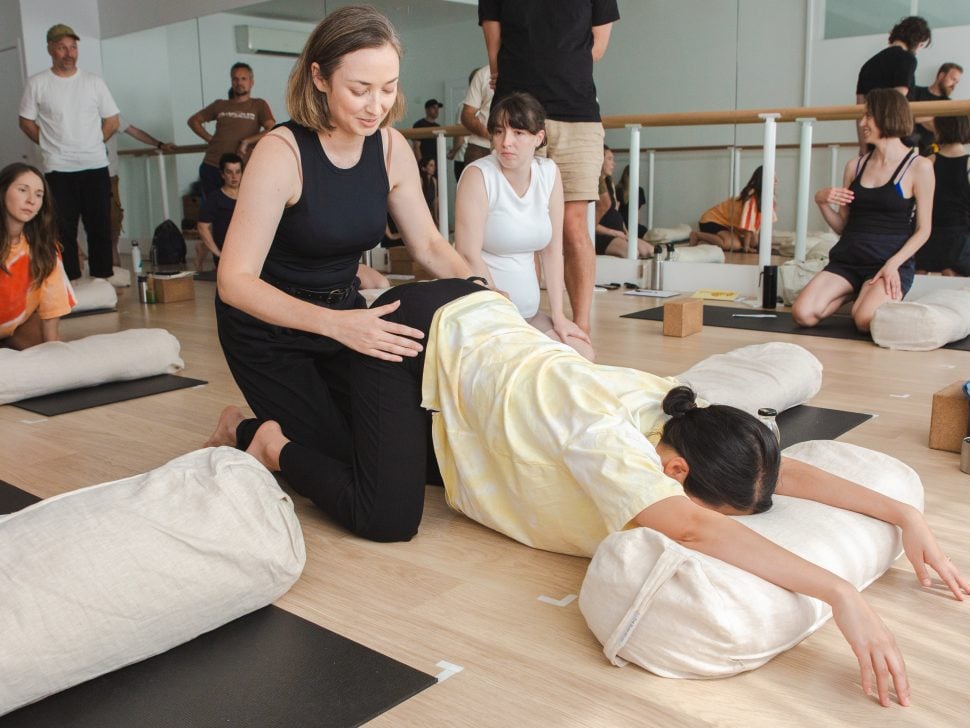
Article - Josie Hipwell (Radiant Birth)
What Is a Doula? Benefits, Support & What They Do
A doula is a trained support person who provides continuous emotional, physical, and informational support during pregnancy, birth, and the postpartum period. Doulas offer continuity of relationship-based care throughout your entire journey into motherhood. Doulas don’t drop in and out. Your doula walks alongside you, providing a steady, grounded presence as you prepare for one of life’s most transformative rites of passage.
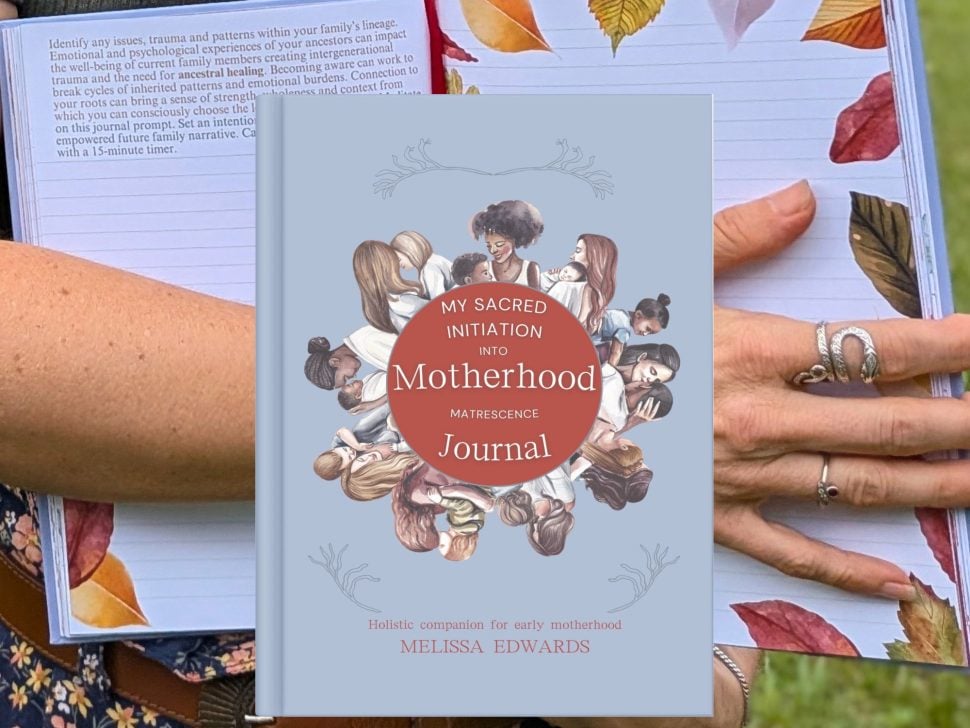
Article - Melissa Edwards (Motherwort and Child)
The Matrescence Continuum: Why Postpartum Support Shouldn’t Stop After Birth
Matrescence is the ongoing process of becoming a mother. It’s not limited to pregnancy or the early postpartum period. It continues through every stage of motherhood, shaping identity, relationships, emotional wellbeing, and the way a woman experiences herself in the world.

Article - U-Fhern Chang (Elan House of Wellness)
Postpartum Recovery, Confinement & Care: A Modern Mother’s Guide to Support
Postpartum recovery is often overlooked, yet it shapes a mother’s long-term health. In this interview, a Melbourne founder shares how traditional care, nourishment and support can help mothers heal, rebuild, and feel held through the fourth trimester.

Article - Louise Barton & Elisha Wildblood (Not Another Onesie)
How to Calm Your Nervous System During Stressful Times (Especially for Mothers)
When the world feels uncertain, your nervous system will naturally try to protect you. But safety doesn’t only come from everything being calm. It also comes from the small, steady moments you create, and the support you allow yourself to receive. You don’t have to carry it all on your own. And you were never meant to.
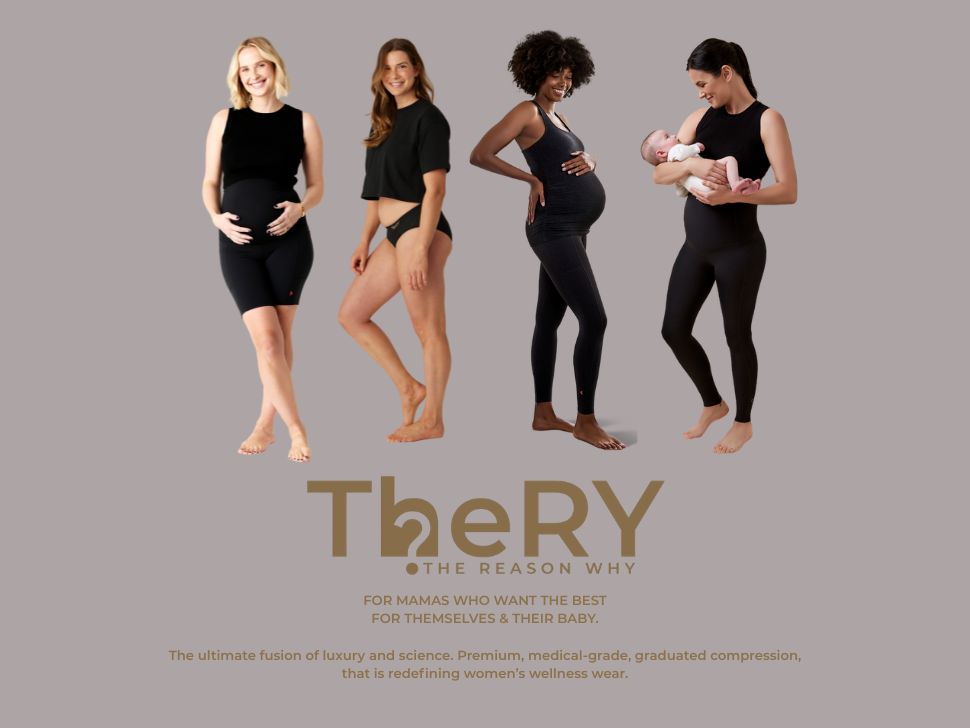
Article - The Reason Why ( TheRY )
The Support You Didn’t Know You Needed: How Compression Wear Supports Pregnancy and Postpartum Recovery
From pregnancy through to postpartum recovery, your body is constantly adapting, healing and rebuilding. While much of the focus is on caring for your baby, many women are left wondering how to better support their own recovery. Alongside rest, proper nutrition, gentle movement, and seeking advice from pelvic health professionals, compression wear has emerged as one of the most effective, yet often overlooked tools.
You may also be interested in...





Learn about the support you didn't know you needed.
We have cherry picked the most useful resources for your fourth trimester so that you don't have to waste precious hours searching.

Article - Louise Barton & Elisha Wildblood (Not Another Onesie)
Postpartum Support Australia: How to Plan Pregnancy, Birth & Fourth Trimester Care
The reality is this: while Australia has excellent maternity care, structured postpartum support in Australia is not automatically built into the system. And yet postpartum is when support matters most. This guide will show you how to organise pregnancy support, birth support services, and most importantly, proactive postpartum support in Australia, so you are not left navigating the fourth trimester alone.



Article - Julia Jones (Newborn Mothers)
What is a Doula?
Today, a doula is typically someone who acts as a hub of support, referrals and resources for a person during a major life transition, usually related to birth. Doulas have a holistic approach that considers both mental and physical well-being. Services vary significantly but can include emotional reassurance, information based on scientific evidence, and comfort techniques like massage and nourishing food. The role is not medical, and doulas cannot treat, diagnose or cure any disease.

Article - Dr. Erin Hawken ( Home Chiropractic Studio)
Why Chiropractic Care for Pregnancy and Postpartum Could Be a Game-Changer
Chiropractors use specific techniques to help ease this physical load and support more comfortable movement patterns, all without drugs or invasive procedures. Care is always adapted for each individual, with your safety and comfort as the top priority.