
Becoming a parent comes with joy, wonder and a lot of worry. From fevers to falls, choking hazards to unexpected rashes, every parent has those moments of panic: Is this serious? Should I call for help?
That’s where baby and child first aid training can be life-changing. We sat down with Ilana Lawrence, the founder of The Sick Sense, paediatric nurse and infant first aid trainer, to talk about why first aid education matters, what parents will learn, and how these skills can empower families to act with confidence.
A Paediatric Nurse With a Passion for Empowering Parents
With a Bachelor of Nursing, a Masters in Advanced Paediatric Practice, and nearly a decade working at NSW’s largest children’s hospital, Ilana has seen it all. She’s also an Independent Nurse Immuniser and a qualified trainer and assessor.
But she doesn’t just see herself as a first aid trainer.
“My workshops are totally different to generic first aid. They combine years of paediatric emergency experience with practical parent hacks you won’t find in a textbook. It’s about knowing what to do in an emergency and what to do at 2am when your baby wakes with a rash that wasn’t there before.”
Her goal? To equip parents with knowledge, resources, and confidence, not just skills for the worst-case scenario, but for everyday situations too.
Why Infant & Child First Aid Training Matters
Many parents hope they’ll never need CPR or choking first aid. And thankfully, most never do. But accidents can happen in seconds, and knowing what to do can save a life.
At the same time, everyday illnesses – from colds and fevers to dehydration- are guaranteed to strike. Knowing how to assess symptoms, recognise red flags, and seek timely care reduces stress for parents and helps sick kids get the right support faster.
“Knowledge is power. Baby and child first aid training gives you the tools to act, to advocate, and to trust your instincts.”
Common Emergencies Parents Should Be Prepared For
In her years of experience, Ilana has seen parents face all kinds of emergencies. The most common include:
- Choking on food or small objects
- Drowning accidents (even in small amounts of water)
- Burns and scalds
- Allergic reactions
- Respiratory illnesses such as asthma or bronchiolitis
- Fevers and dehydration
One powerful example comes from a father who performed CPR after his crawling baby fell headfirst into a bucket.
“By the time the ambulance arrived, the baby was distressed but alert. Without that father’s quick action, the outcome could have been very different.”
Busting Myths: What Parents Often Get Wrong About First Aid
- “Fever is always dangerous.” False. Fever is often the body’s response to infection, but recognising red flags is essential.
- “Emergencies give you no time.” Not true. Even in urgent scenarios, you have time to assess, act, and call for help.
- “Only health professionals know what to do.” Parents are the experts on their children, and with training, they can make confident, informed decisions.
What Parents Take Away From The Sick Sense Workshops
The workshops run for 4.5–5 hours in Newcastle, Lake Macquarie, and the Central Coast. Sessions include:
- Baby & Child CPR
- Choking first aid
- Allergy & anaphylaxis management
- Fever, dehydration, and respiratory illness care
- Burns and poison management
- Rashes and skin conditions
- Childhood injury treatment
- How to spot red flags in sick children
- Communicating effectively with healthcare providers
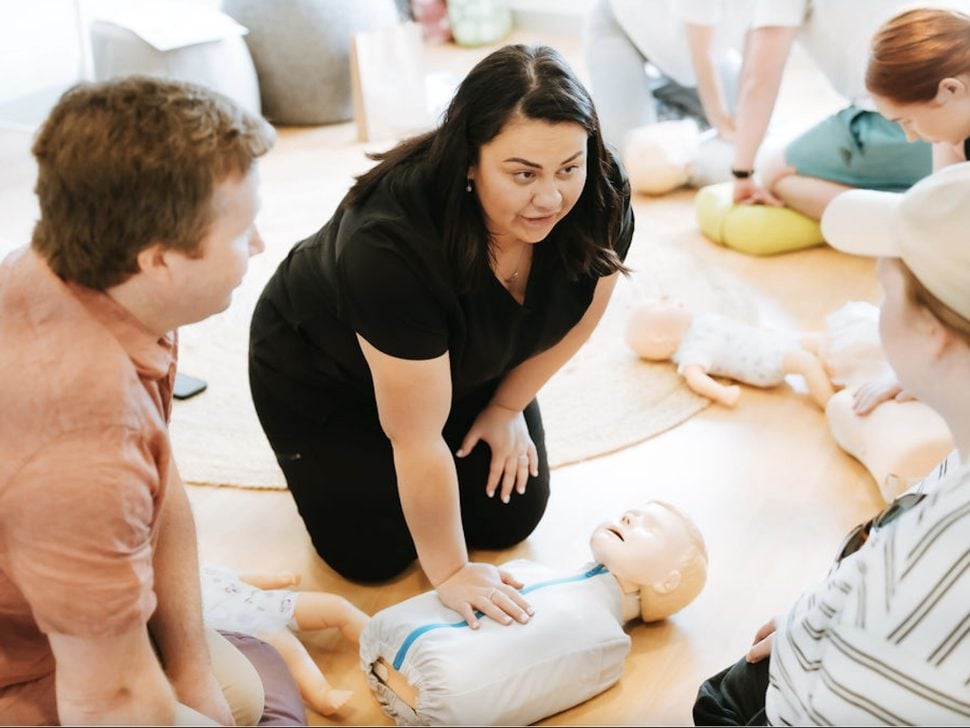
Workshops are hands-on, using scenarios and simulations, and every participant receives a Sick Sense tool bag with resources to take home.
Parents consistently leave feeling:
- Empowered (“I can do this.”)
- In control (“I know what to look for.”)
- Relieved (“This is exactly what I needed, no one tells you this stuff.”)
Online Baby & Child First Aid
For families who can’t attend in person, The Sick Sense has launched a bite-sized online course. While not as comprehensive as face-to-face training, it offers 24/7 access to essential information, fact sheets, and guides, perfect for busy parents or grandparents who want support on the go.
Accredited Workplace Training
Alongside parent-focused workshops, The Sick Sense also provides nationally accredited first aid and CPR training for schools, workplaces, and corporate teams, combining essential certification with team bonding and confidence building.
FAQs About Baby & Child First Aid
How often should parents refresh their baby first aid training?
Can I bring my baby to a first aid workshop?
What’s the difference between baby first aid and standard first aid?
Do grandparents and babysitters benefit from this training too?
Is online training enough?
Final Word: Why Every Parent Needs First Aid Training
If you’ve been putting off booking a course, Ilana leaves you with this thought:
“No parent ever said, I’m glad I waited until I needed it to learn choking first aid. You need to know before it happens.”
Empower yourself with the skills.
Find out more about The Sick Sense First Aid Education here and here

You may also be interested in...



Learn about the support you didn't know you needed.
We have cherry picked the most useful resources for your fourth trimester so that you don't have to waste precious hours searching.

Article - Louise Barton & Elisha Wildblood (Not Another Onesie)
Motherhood & Friendships – Why Everything Feels Different & How to Navigate the Change
The shift in friendships after having a baby is real, and it’s something almost every mother experiences. Let’s dive into why friendships change after motherhood, how to navigate the emotional shifts, and ways to find a new support system that actually fits your life as a mum.
Article - Jason Seeman (Raising Fathers)
Why the Transition to Fatherhood Can Feel So Hard: Dads’ Mental Health, Relationships & Patrescence
Raising Fathers offers educational courses, community events and mentoring for men moving through that transition, working from a simple premise: better dads lead to better families, and better families shape a better world. When fathers fully show up, families and culture thrive.
Article - Louise Barton & Elisha Wildblood (Not Another Onesie)
Why Motherhood Feels So Hard
Dear Mama, We see you. We see the way you pour yourself into motherhood, the way you carry the weight of the world while still showing up with love and strength, even when you feel like a shadow of yourself. As a society, we sit here adding to the pressure, adding to the load and, let's be brutally honest - failing you miserably every step of the way. We owe you an apology.

Article - Rachael Iudica (The Mama Well)
What is Circle of Security Parenting (COSP)? A Parent’s Guide to Secure Attachment and Understanding Children’s Behaviour
The Circle of Security Parenting Program (COSP) is an evidence-based parenting program designed to strengthen the relationship between children and their caregivers by promoting secure attachment. COSP is essentially a tool that helps parents better understand the attachment needs driving their child's behaviour.

Article - Louise Barton & Elisha Wildblood (Not Another Onesie)
How to Calm Your Nervous System During Stressful Times (Especially for Mothers)
When the world feels uncertain, your nervous system will naturally try to protect you. But safety doesn’t only come from everything being calm. It also comes from the small, steady moments you create, and the support you allow yourself to receive. You don’t have to carry it all on your own. And you were never meant to.