


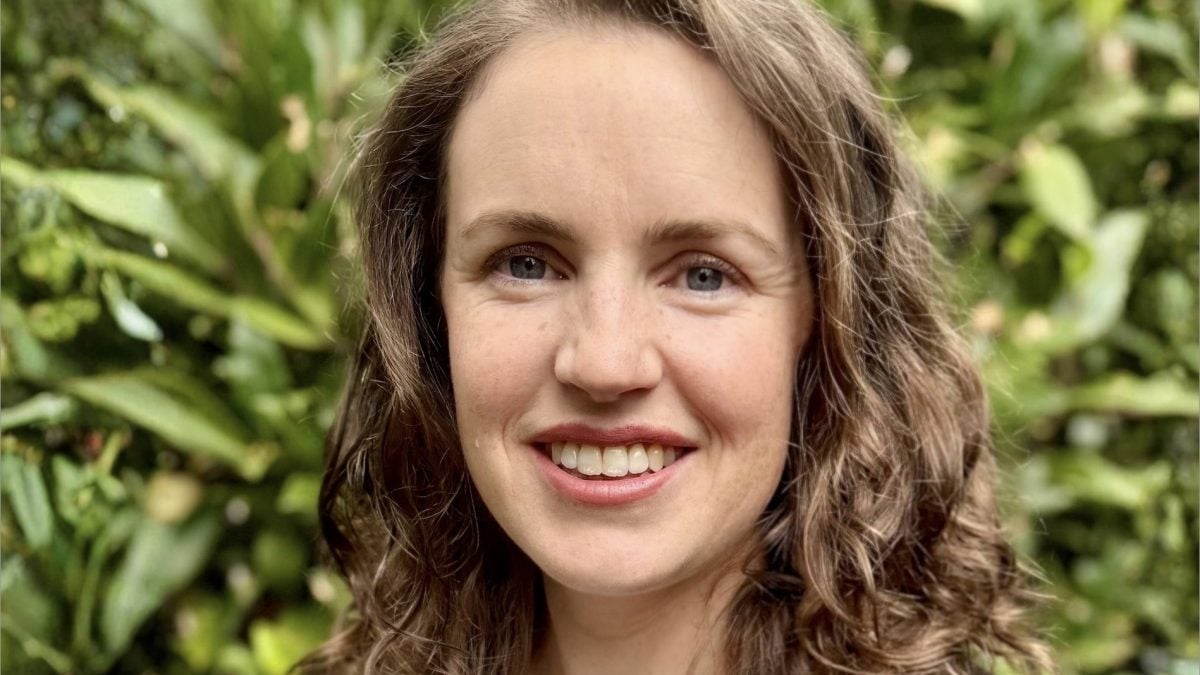
About Dr Hannah Dobson
Meet Dr Hannah Dobson — a psychiatrist with a special interest in women’s mental health, particularly during the perinatal period (conception, pregnancy, birth and postpartum). She combines compassionate care with evidence-based treatment, supporting women through some of life’s most vulnerable and transformative stages.
Alongside her private practice, Hannah works as a consultant psychiatrist at the Royal Women’s Hospital. This role allows her to contribute to multidisciplinary care, teach medical students, and stay connected to the public health system.
Her clinical expertise spans mood and anxiety disorders, adjustment difficulties, and the unique mental health challenges surrounding parenthood. Hannah’s approach is collaborative and patient-centred — she takes the time to understand each woman’s story, considering the biological, psychological, social and cultural factors that shape their experience.
She offers preconception counselling for women with existing mental health conditions or concerns about treatment during pregnancy, as well as ongoing care for perinatal mood and anxiety disorders, birth-related trauma, perinatal loss, and adjustment to parenting. When medication is part of the picture, Hannah works closely with women (and their families, if appropriate) to weigh up risks and benefits. Her goal is informed, individualised decision-making that aligns with each woman’s values and goals for care.
Hannah is committed to creating a respectful, supportive space where women feel heard and empowered in their mental health journey.
Areas of expertise
- Member of the Perinatal Psychiatry Network, Australian Association for Infant Mental Health
- Member of The International Marce Society for Perinatal Mental Health
- Trained in Circle of Security Parenting Program
Company values
Accessibility
Diversity & Inclusion
Sustainability
You may also be interested in...




Learn about the support you didn't know you needed.
We have cherry picked the most useful resources for your fourth trimester so that you don't have to waste precious hours searching.

eBook - Jaclyn Carlson (Jaclyn Carlson)
Emotional Toolkit – For Back to Daycare & School
Sending your little one off to daycare, kindergarten or back to school brings up all the feels—relief, pride, grief, sadness, and maybe even a little anxiety. This transition can be even trickier when there is a new baby in the family. You’re not alone in this.

Watch - Louise Barton + Elisha Wildblood (Not Another Onesie)
Why Becoming Parents Changes Even the Strongest Relationships (And What Actually Helps)
Becoming Parents Together: The Conversations, Confidence and Connection Every Couple Needs brings together three organisations dedicated to supporting fathers, relationships and families through the transition into parenthood. Whether you're expecting your first baby, navigating the newborn months or supporting someone you love, this webinar offers practical insights, reassurance and real conversations that every parent deserves to hear.

Article - Courtney Wilton (Nourished Psychology)
Maternal Rage – What Triggers It and How to Find Relief
Understand the triggers behind maternal rage—sleep deprivation, lack of support, and loss of self-identity and discover simple self-care strategies and support systems that can help you manage stress and find relief. Ever feel intense anger as a mother? Uncover the triggers behind maternal rage and explore practical tips to reclaim your balance and self-care.

Article - Louise Barton & Elisha Wildblood (Not Another Onesie)
More Than a Cleaner: How Family Clean Is Helping Australian Families Get Their Time Back
Every family experiences times when life feels a little fuller. For some, it's late pregnancy when everyday household jobs become physically difficult. For others, it's the newborn months, where every spare minute is spent feeding, settling and soaking up precious moments with a new baby. Many families reach out when returning to work, during school holidays or while juggling multiple children's schedules. And increasingly, Family Clean supports parents who are caring for both young children and ageing parents at the same time.

Article - Elisha Wildblood and Louise Barton (Not Another Onesie)
Beyond Baby Stuff: Gifting Support to New Mothers
At Not Another Onesie, we're passionate about gifting support services that improve life after birth for mamas everywhere. We believe new mothers need love, support, and nourishment more than baby stuff.