

Why do you think asking for help still feels so hard for new parents, and how do you help shift that mindset?
This is an age-old problem that comes with perfectionism, judgment, and /or a fear of judgment from others. When new clients call us in need, I always say they have made the first amazing step in reaching out. We really are a new society and a new age, with far less ‘village’, and I know in time, people in general will start to change the way they think. I truly believe one can never have enough help and support.
How does in-home support aid not just physical but also emotional and mental recovery after birth?
If I had my way, it would be non-negotiable and, in an ideal world, would have government funding, so everyone can access the help we all deserve. We can shape our families and therefore babies growing into children complete outcomes (and lives!) by providing education, but above all, support in those early days. It is essential for a mother who has given birth to rest and recover. This seems counterintuitive with a small baby, but support can help this. Dad and/or partner have also been through an immense lot, and their mental wellbeing is also imperative. Also, siblings, if not the family’s firstborn, need to transition. Physical support undoubtedly provides emotional and mental recovery aid in itself. I can not stress enough how having that extra person who isn’t a personal friend or family member but an expert in their field can give parents and families the confidence they need to make their own decisions around their family.
What steps do you take to ensure that your services are inclusive, safe, and respectful of all kinds of family structures?
We put a lot of effort, care, and time into both the ladies who work with us and also checking that the family aligns well with the candidate(s). I think the most important thing is to ask what is essential to the family and what they want. They are the client. Many families have their own idealisations; we can advise accordingly for those that don’t. Without a doubt, we have worked with so many types of family structures – we are never surprised by anything. This is part of our role: to be highly adaptable to any situation. Education can help with this. We do provide in-house training for our candidates. It is our utmost privilege to be invited into any family structure, and with that always comes diligence, safety, and respect. All family members are equally important – including the dog!
What should families consider, emotionally and practically, when hiring in-home support?
Although I say you can never have enough support, a big factor is definitely the level of support one is after. Does a family envision 24-hour care, two nights a week, intense support for the first two weeks and then to halve that support for the next four? Do they want four weeks or four months? There is no right or wrong, and this is something we work on by individually tailoring to families’ needs. I always say, book your minimum needs, then judge from there. Every home will be different in its set-up. From a practical sense, if 24-hour care is needed, we do require a 3-4 hour break; therefore, a separate room and/or bed would be required. Other than that, we tend to stay mostly invisible, just supporting where needed. We are there for the family to use as much or as little as they need but will always maintain boundaries. I always suggest booking as soon as possible. We take bookings from 12 weeks pregnant, which means you can have time to get to know your chosen person, and it is all ready, set up well before pregnancy starts ramping up!
If you could reshape the postpartum care system, what would it look like?
Where do I start?! I believe we should all have access to postpartum care. That includes all parents. In New Zealand, there was a fantastic government-funded program for Maternal Mental Health, which I worked with via Karitane. It meant any parent feeling postpartum symptoms of overwhelm, sadness, tiredness (there was a tick box list), symptoms I consider many of us would experience, had access to maternity nurse care within their homes or a respite centre for up to 12 months. Headed by psychologists and sometimes psychiatrists, each case was closely analysed to determine the amount of help needed. The radical change within these families was unbelievable. My ultimate wish would be two years of this support, which is the most important brain development time for children. Postpartum care is considered a luxury; I consider it a necessity for setting up families for the ultimate best.


Conversations to Have Before Bub Arrives - Free to Download
The best preparation isn’t having all the answers, it’s knowing how to have the conversation.
Download your free Couples Conversation Cards and create space for the discussions that can help you navigate pregnancy, postpartum and parenthood as a team.
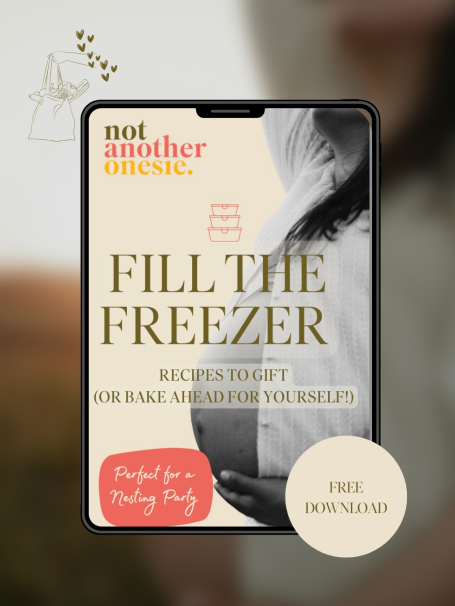
Fill the Freezer - recipes to gift or make ahead
Whether you’re preparing for your own postpartum, showing love to a new mum, or simply wanting to make everyday life a little easier, food is one of the most nourishing gifts we can give. This recipe collection has been created with you in mind: quick to make, freezer-friendly, and packed with ingredients that fuel tired bodies and busy minds. Each one can be baked ahead of time for yourself or wrapped up and given as a thoughtful gift. Includes 6 recipes, a shopping list and a plan to get them all prepped and ready in one go.
Learn about the support you didn’t know you needed.
We have cherry picked the most useful resources for you, so that you don’t have to waste precious hours searching.

Article - Louise Barton & Elisha Wildblood (Not Another Onesie)
More Than a Cleaner: How Family Clean Is Helping Australian Families Get Their Time Back
Every family experiences times when life feels a little fuller. For some, it's late pregnancy when everyday household jobs become physically difficult. For others, it's the newborn months, where every spare minute is spent feeding, settling and soaking up precious moments with a new baby. Many families reach out when returning to work, during school holidays or while juggling multiple children's schedules. And increasingly, Family Clean supports parents who are caring for both young children and ageing parents at the same time.

Watch - Louise Barton + Elisha Wildblood (Not Another Onesie)
Why Becoming Parents Changes Even the Strongest Relationships (And What Actually Helps)
Becoming Parents Together: The Conversations, Confidence and Connection Every Couple Needs brings together three organisations dedicated to supporting fathers, relationships and families through the transition into parenthood. Whether you're expecting your first baby, navigating the newborn months or supporting someone you love, this webinar offers practical insights, reassurance and real conversations that every parent deserves to hear.
Article - Rashelle Leahy (Mummas Circle)
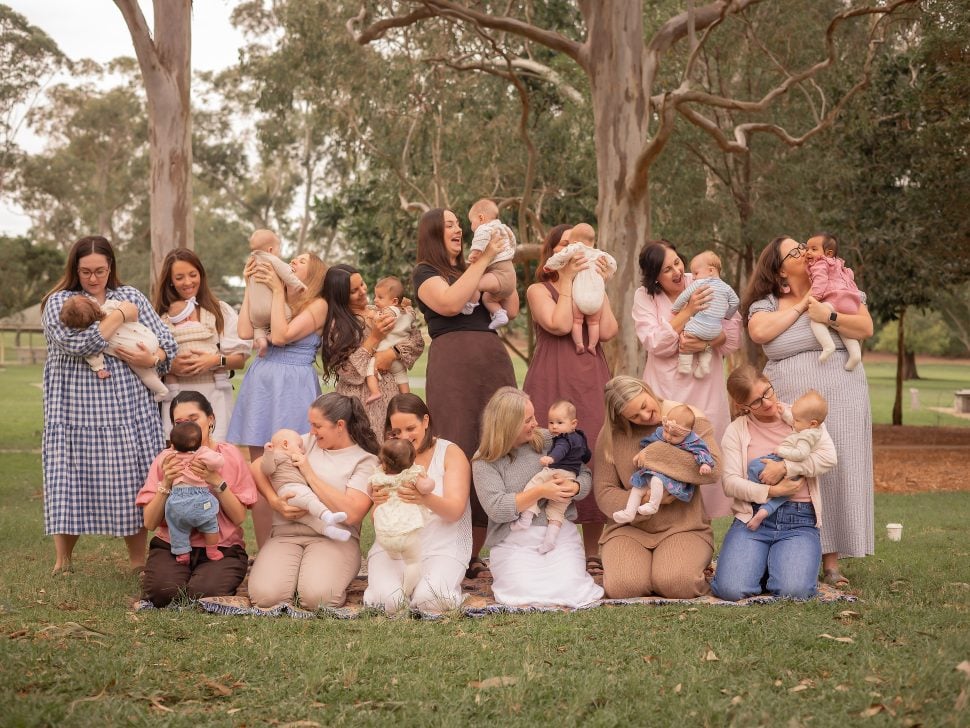
Feeling Lonely as a New Mum? How to Find Your Village
Loneliness in new motherhood is something many women experience, even when they're surrounded by people. Finding a supportive community, whether through mothers' groups, local activities, friends or professional support, can make the transition to motherhood feel less isolating. Mummas Circle founder Rashelle Leahy shares why finding your village matters and what her own experience taught her about connection after having a baby.


Article - Kirsten Hannan (Kirsten Hannan Osteopath & IBCLC Sydney)
Breastfeeding Difficulties: How Osteopathy and Lactation Support Can Help Mothers and Babies
Alongside my Master's degree in Osteopathy, I am also an International Board Certified Lactation Consultant (IBCLC), allowing me to combine gentle hands-on care with evidence-based breastfeeding assessment and support. In this article, I'll explain how physical factors may contribute to breastfeeding difficulties, when osteopathic assessment may be appropriate, and why a collaborative approach can help support both mothers and babies.
Conversations to Have Before Bub Arrives - Free to Download
The best preparation isn’t having all the answers, it’s knowing how to have the conversation.
Download your free Couples Conversation Cards and create space for the discussions that can help you navigate pregnancy, postpartum and parenthood as a team.
You may also be interested in...

Pink Flamingo Postpartum Care & Wellbeing
Sydney-based postpartum doula, Mothers’ Blessing facilitator, and the mother of two little boys. Hats supports pregnant and new mothers with wholesome, delicious food, a keen listening ear, heart-felt rituals, grounding practices and lots of reassurance.

Learn about the support you didn't know you needed.
We have cherry picked the most useful resources for your fourth trimester so that you don't have to waste precious hours searching.

Article - Joelene Murdoch (Born Ready)
Understanding and reducing fear in birth: Empowering women through knowledge and preparation.
But what if you could approach birth with confidence, clarity, and peace of mind? What if, instead of fearing the unknown, you were able to embrace it as a powerful, empowering journey?

Article - Claire Dicarlo (From Rad Parents)
Every New Parent Should Have The Gift of A Birth Debrief
A birth debriefing allows you to reflect on and honor your birth experience, whether it was joyful or challenging. This supportive process provides a safe space to process emotions, gain clarity, and find closure as you step into parenthood with confidence. Your birth story deserves to be heard. This post shows how a compassionate birth debriefing session can help you process your experience, find closure, and step into parenthood with clarity and support.

Article - Dr Mandy Godwin ( Mums in Bloom )
The Emotional Prep Checklist for Pregnancy (That Nobody Talks About)
Emotional preparation for pregnancy is the process of getting ready for the mental, emotional and identity changes that come with becoming a mother. It goes beyond birth plans and baby gear, helping you feel more grounded, supported and aware as you move through pregnancy and into postpartum.

Article - Dr Mandy Godwin ( Mums in Bloom )
When Should You Seek Support During Pregnancy or After Birth? A Perinatal Psychologist Explains
Pregnancy and the first year after birth can bring enormous emotional changes, and it isn't always easy to know when to ask for help. In this article, perinatal psychologist Dr Mandy Godwin explains some of the signs that may indicate you could benefit from perinatal mental health support, and the different support options available.

Article - Julia Jones (Newborn Mothers)
What is a Doula?
Today, a doula is typically someone who acts as a hub of support, referrals and resources for a person during a major life transition, usually related to birth. Doulas have a holistic approach that considers both mental and physical well-being. Services vary significantly but can include emotional reassurance, information based on scientific evidence, and comfort techniques like massage and nourishing food. The role is not medical, and doulas cannot treat, diagnose or cure any disease.