

Understanding Postpartum Depletion: Signs, Causes and How to Recover

Understanding Postpartum Depletion: Signs, Causes and How to Recover
Welcoming a new baby is a transformative and joyful experience — but it can also be physically and emotionally draining. Many new mothers experience a form of exhaustion that goes beyond typical tiredness, known as postpartum depletion or maternal depletion.
This state affects not only energy levels but also hormones, mental clarity and overall wellbeing. Understanding the signs of postpartum depletion, why it happens and how mothers can recover is essential for anyone navigating the postpartum period.
For many mothers across Australia, recognising postpartum depletion can be the first step toward finding the right support and beginning the journey back to feeling like themselves again.
What Is Postpartum Depletion?
Postpartum depletion is more than the typical tiredness that comes with caring for a newborn. It is a state of physical, emotional and nutritional exhaustion that occurs when a mother’s body has not had the chance to fully recover after pregnancy and birth.
While sleep deprivation is a natural part of early motherhood, maternal depletion involves a deeper imbalance of nutrients, hormones and energy reserves.
Mothers experiencing postpartum depletion often struggle with daily functioning, mood regulation and overall vitality. It’s important to recognise that this is not laziness or weakness — it is a genuine physiological response to the demands of pregnancy, childbirth, lactation and caring for a newborn.
Signs and Symptoms of Postpartum Depletion
Postpartum depletion can show up in a range of ways. Some symptoms are subtle while others can feel overwhelming.
Common signs include:
Excessive fatigue that doesn’t improve with rest
Hair loss or thinning several months after birth
Anxiety spikes or heightened emotional sensitivity
Heart palpitations or irregular heartbeat
Feeling cold frequently, even in warm environments
Extreme brain fog or difficulty concentrating
Forgetfulness or poor memory
Depression or mood swings beyond typical baby blues
Heavy periods or prolonged bleeding
These symptoms are often interconnected, with nutrient deficiencies, hormonal shifts and chronic stress playing key roles.
While tiredness is expected after birth, persistent symptoms may signal postpartum depletion and are worth discussing with a healthcare professional.
Why Postpartum Depletion Happens
Several factors contribute to maternal depletion during the postpartum period.
Nutrient Loss During Pregnancy and Birth
Pregnancy and childbirth place significant demands on a mother’s body.
Blood loss during delivery, increased nutrient requirements for the growing baby and breastfeeding can deplete nutrients such as:
Iron
Vitamin B12
Zinc
Magnesium
Protein stores
Without adequate recovery and nourishment, these deficiencies can accumulate and affect energy and mood.
Hormonal Shifts After Birth
After birth, levels of estrogen and progesterone drop dramatically. Thyroid hormones can also fluctuate.
These hormonal changes can influence:
mood regulation
sleep quality
metabolism
emotional stability
For some mothers this adjustment happens smoothly, while others experience more significant disruption.
Sleep Deprivation and Stress
Caring for a newborn often means fragmented sleep.
Chronic sleep disruption can worsen hormonal imbalance, stress levels and nutrient depletion, making recovery more difficult.
Physical Demands of Early Motherhood
Early motherhood requires a surprising amount of physical effort.
Lifting, feeding, rocking and carrying a baby requires energy — particularly when a mother is still recovering from birth, surgery or tissue trauma.
Underlying Health Issues
Sometimes postpartum depletion may reveal or worsen underlying conditions such as:
anaemia
thyroid dysfunction
adrenal fatigue
nutrient deficiencies
Identifying these issues early can support more targeted recovery.
When It’s More Than Normal Tiredness
It can be difficult to distinguish between normal postpartum fatigue and maternal depletion.
Signs your exhaustion may require medical attention include:
persistent fatigue despite adequate rest
extreme brain fog or difficulty concentrating
hair loss and heart palpitations
anxiety, depression or emotional instability
heavy periods or menstrual irregularities
feeling weak or cold frequently
If these symptoms are present, it is important to speak with a healthcare professional and investigate possible nutrient or hormonal imbalances.
Helpful Blood Tests for Postpartum Depletion
Testing can provide valuable insight into a mother’s nutrient and hormonal status.
Helpful blood tests may include:
Iron studies (ferritin and haemoglobin)
Full thyroid profile (TSH, Free T3, Free T4 and antibodies)
Vitamin B12
Vitamin D
Zinc
Insulin
Cortisol
Cholesterol
CRP (inflammation marker)
These tests help practitioners identify underlying imbalances and develop personalised recovery strategies.
How Mothers Can Recover from Postpartum Depletion
Recovery from postpartum depletion requires a holistic approach combining nutrition, rest, emotional support and lifestyle adjustments.
1. Nourishing Foods
Food plays a crucial role in rebuilding nutrient stores and restoring energy.
Protein
Protein supports tissue healing, hormone production, brain function and stable blood sugar levels.
Include sources such as:
meat, poultry and fish
eggs
nuts and seeds
lentils and beans
quinoa and whole grains
protein powders
bone broth and collagen
Essential Fats
Healthy fats support brain health, mood balance, milk quality and inflammation reduction.
Include:
oily fish such as salmon, sardines and mackerel
grass-fed meats and butter
olives and olive oil
walnuts, pecans and chia seeds
avocado
coconut (if tolerated)
Iron-Rich Foods
Iron is essential for energy production and circulation.
Include:
red meats and dark poultry
organ meats
green leafy vegetables
lentils and beans
eggs
blackstrap molasses
Fruits and Vegetables
Colourful fruits and vegetables provide antioxidants, fibre and essential plant nutrients.
Many postpartum practitioners recommend warm, cooked foods to support digestion during recovery.
2. Herbal Support
Herbs can support relaxation, circulation and emotional wellbeing during recovery.
Teas and Infusions
Preparation:
1 part herb to 20 parts water
1 teaspoon dried herb per cup
steep for at least 20 minutes
Drink up to three cups daily for therapeutic benefits.
Helpful herbs may include:
chamomile
lemon balm
tulsi
passionflower
Herbal Baths and Foot Soaks
Herbal baths can support relaxation and circulation.
Preparation:
pre-steep herbs such as chamomile, lavender or lemon balm
add 1 cup of Epsom salts if desired
soak for around 30 minutes
Herbal Compresses
Herbal compresses can help calm the nervous system and promote relaxation.
Method:
steep herbs such as chamomile, lavender or rose
soak a cloth in the infusion
place gently on the forehead or eyes for 10–15 minutes
3. Lifestyle Practices
Rest Strategically
Rest is essential for postpartum recovery.
Strategies include:
napping when the baby sleeps
accepting help from friends and family
creating a calm sleep environment
Gentle Movement
Light movement can support circulation and mood.
Examples include:
short walks
stretching
pelvic floor exercises
Listen to your body and avoid overexertion.
Emotional Support
Emotional wellbeing is equally important.
Helpful practices include:
journaling
meditation or breathing exercises
connecting with supportive communities
speaking with a therapist
FAQ About Postpartum Depletion
How long does maternal depletion last?
Can postpartum depletion be prevented?
Final Thoughts on Postpartum Depletion
Postpartum depletion is a common yet often overlooked condition affecting many mothers.
Recognising symptoms such as fatigue, anxiety, hair loss, brain fog and hormonal changes can help mothers seek the support they need sooner.
With the right combination of nutrition, rest, emotional support and professional care, recovery is entirely possible.
Caring for yourself is not selfish, it is an essential part of supporting both your own wellbeing and the wellbeing of your family.
Where to Find Postpartum Support
Recovery is much easier when mothers are supported.
If you are navigating postpartum depletion, building a village of support can make an enormous difference.
You can explore trusted providers across Australia through the Not Another Onesie directory of postpartum professionals:
You may find support from:
postpartum doulas
pelvic floor physiotherapists
perinatal psychologists
lactation consultants
postpartum nutrition practitioners
Connecting with experienced professionals can help mothers recover more quickly and feel less alone in the journey.
About the Author
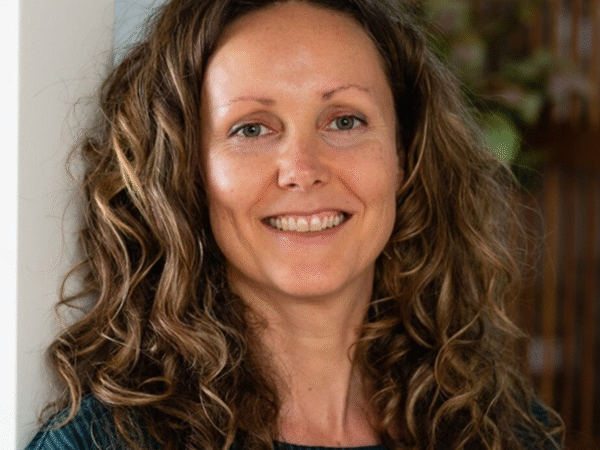
Mikaela Duffy is a women’s health practitioner supporting mothers in Brisbane and online.
Her services include clinical consultations, abdominal massage, traditional herbal body treatments, closing of the bones and in-home postpartum care. She works with mothers throughout the first year postpartum and also supports women navigating pregnancy or infant loss.
You may also be interested in...


Karen O’Mara – Perinatal and Parenting Support
Karen O’Mara is a dedicated clinical social worker specialising in general women’s and perinatal counselling, mothers groups focusing on emotional experiences, and Circle of Security® Parenting™ programs to support and empower parents to develop knowledge and skills to meet their children’s emotional needs.




Learn about the support you didn't know you needed.
We have cherry picked the most useful resources for your fourth trimester so that you don't have to waste precious hours searching.

Article - Illy Lawrence (The Sick Sense)
How to Clean Your House After Family Sickness
This practical guide walks through simple steps for cleaning your house after family sickness, helping reduce germs in the home and reset your space once everyone is feeling better. Ever reached the end of a sickness stint with your family and thought, “Yep, I could absolutely just light a match and start over”?

Article - U-Fhern Chang (Elan House of Wellness)
Postpartum Recovery, Confinement & Care: A Modern Mother’s Guide to Support
Postpartum recovery is often overlooked, yet it shapes a mother’s long-term health. In this interview, a Melbourne founder shares how traditional care, nourishment and support can help mothers heal, rebuild, and feel held through the fourth trimester.

Article - Louise Barton & Elisha Wildblood (Not Another Onesie)
Postpartum Support Australia: How to Plan Pregnancy, Birth & Fourth Trimester Care
The reality is this: while Australia has excellent maternity care, structured postpartum support in Australia is not automatically built into the system. And yet postpartum is when support matters most. This guide will show you how to organise pregnancy support, birth support services, and most importantly, proactive postpartum support in Australia, so you are not left navigating the fourth trimester alone.
Article - Dominique Webber (The Pillars Naturopathy)
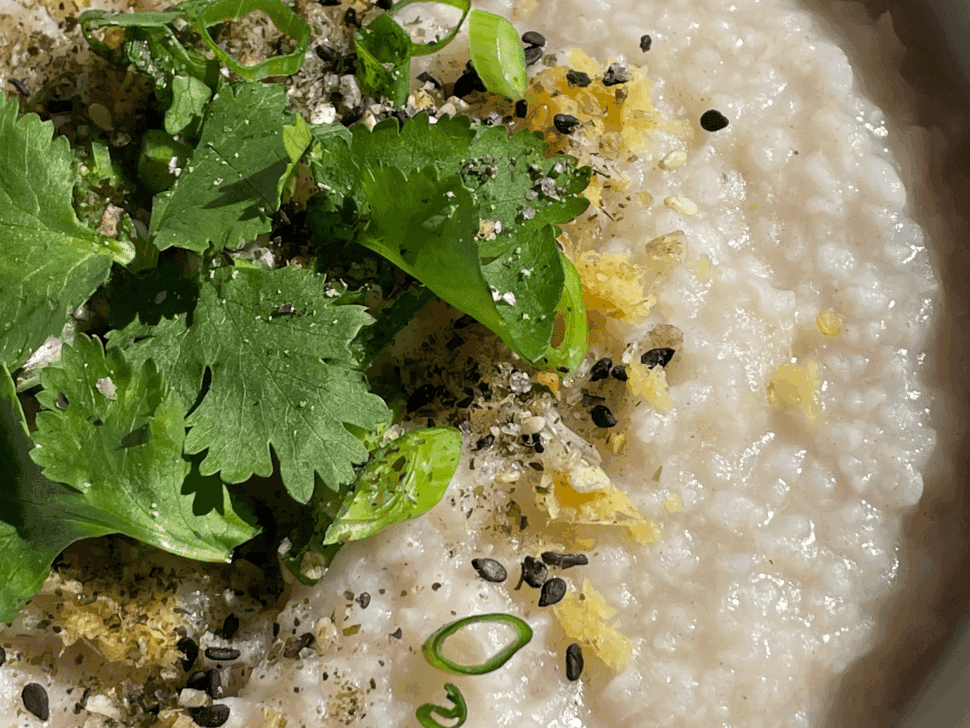
The Perfect Postpartum Recipe – Nourishing Rice Congee
Looking for a nourishing postpartum recipe that's gentle on digestion and easy to prepare? This warming rice congee recipe is packed with comforting ingredients traditionally used to support recovery after birth.
Article - Melissa Edwards (Motherwort and Child)
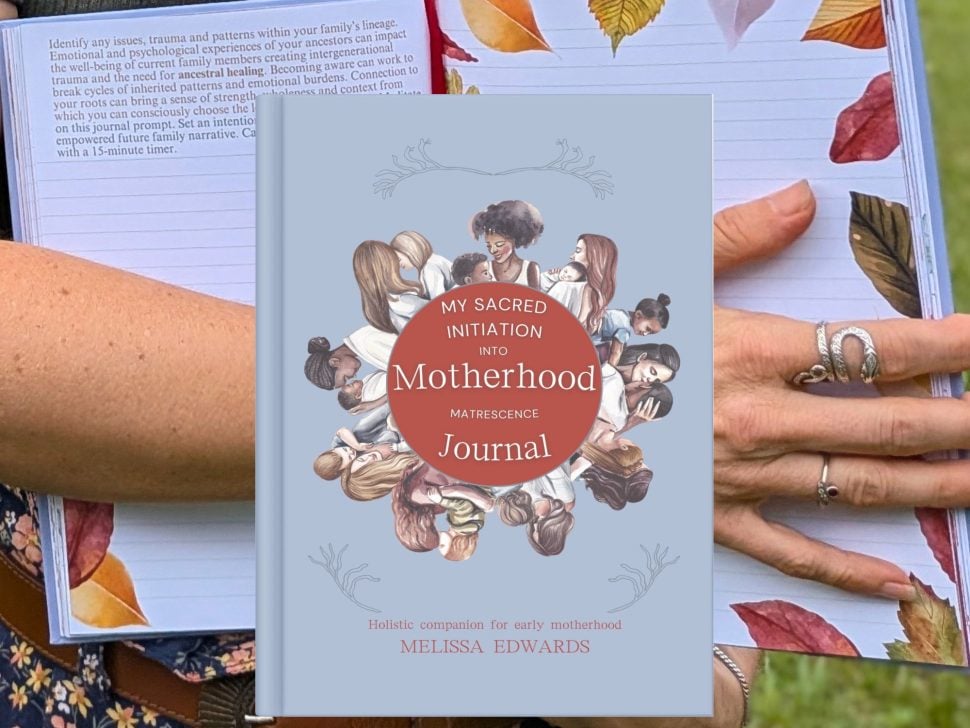
The Matrescence Continuum: Why Postpartum Support Shouldn’t Stop After Birth
Matrescence is the ongoing process of becoming a mother. It’s not limited to pregnancy or the early postpartum period. It continues through every stage of motherhood, shaping identity, relationships, emotional wellbeing, and the way a woman experiences herself in the world.