
You may have heard the word doula thrown around at prenatal yoga or in a mum’s Facebook group. Maybe you’ve wondered, “Is that just a fancy word for someone who holds your hand? Or is there actually something to it?”
Spoiler alert: there’s a lot to it.
A doula is a support person who provides continuous emotional, physical, and informational support during pregnancy, birth, and the postpartum period. Doulas offer continuity of relationship-based care throughout your entire journey into motherhood.
Doulas don’t drop in and out. Your doula walks alongside you, providing a steady, grounded presence as you prepare for one of life’s most transformative rites of passage.
Support During Pregnancy: Preparing for Birth and Beyond
In the lead-up to birth, your doula helps you explore your beliefs, influences, and expectations around pregnancy and birth.
This can include unpacking personal, cultural, and socioeconomic stories you’ve absorbed about birth; making sense of your care provider appointments; and creating intentions for both birth and postpartum that feel aligned, realistic, and deeply your own.
A doula supports you to:
- Understand your needs and preferences
- Build trust in yourself and your body
- Feel informed and confident in your choices
- Connect with your baby as you move toward birth
Appointments usually take place in your home or online, creating a safe, reflective space tailored uniquely to you.
Support During Labour and Birth
During labour and birth, a birth doula provides continuous support for you and your support person.
They offer a calm, grounded and comforting presence, helping you feel safe and supported as your birth unfolds.
Your doula may:
- Provide emotional reassurance and encouragement
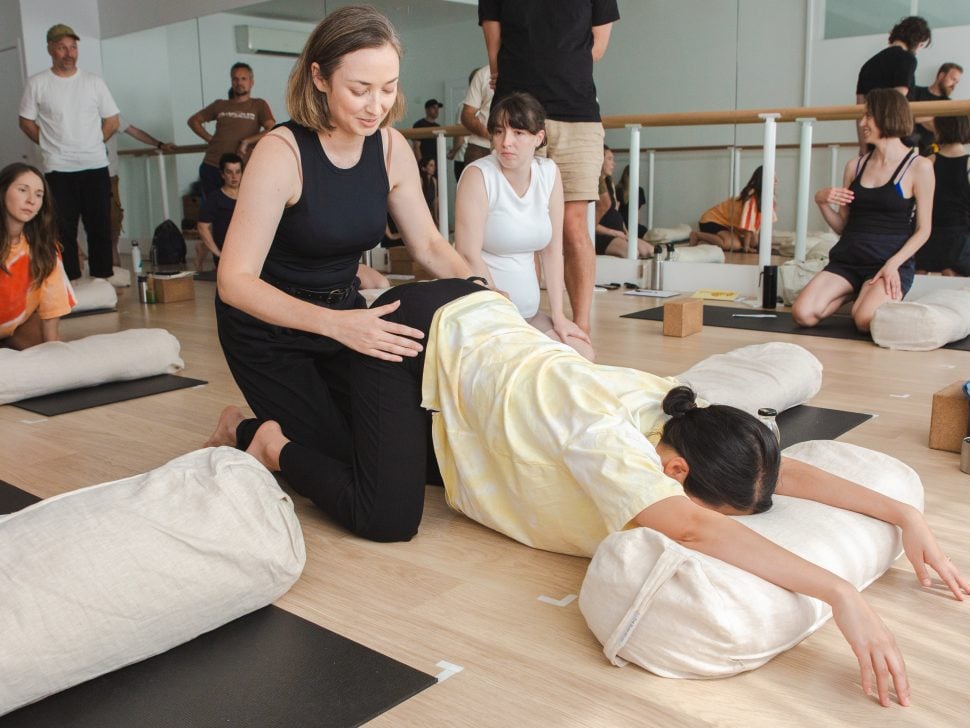
- Offer physical comfort measures such as massage, positioning, and breathwork
- Help keep the environment calm and focused on you
- Support your partner so they feel confident and involved
- Advocate with you when needed
- Stay with you throughout the entire birth experience
Importantly, doulas do not provide clinical care or deliver babies. They support you as you birth your baby.
Postpartum Doula Support: The Fourth Trimester
The postpartum period (often called the fourth trimester) is one of the most physically and emotionally demanding times in a person’s life.
The hormonal shift that happens after birth is one of the most significant physiological changes any human experiences, yet it’s often the least supported. A postpartum doula steps into that gap; they are there to help you prepare for this change as you navigate it, because they know that it’s more than just the “baby blues”.
In the weeks after birth, your doula might:
- Hold your baby so you can sleep, shower, or eat
- Support feeding (breast, bottle, or combination) without judgment
- Help you process your birth and new identity
- Assist with light household tasks
- Offer calm, consistent support instead of conflicting opinions
- Support your partner and family as they adjust
- Help older siblings transition
- Connect you with trusted services if additional support is needed
Most importantly, a postpartum doula offers a non-judgmental, steady presence during a time that can feel overwhelming and isolating.
Do Doulas Improve Birth Outcomes? (What the Research Says)
Yes, and this is where it becomes especially compelling.
A major Cochrane Review on continuous labour support analysed 26 randomised trials involving more than 15,000 women.
The findings showed that people who had continuous support (especially from a doula) experienced:
- Shorter labours (by around 40 minutes on average)
- Lower rates of caesarean birth
- Fewer assisted births (forceps or vacuum)
- Reduced use of epidurals and pain medication
- More positive birth experiences overall
Australian research into doula programs has also found:
- Increased confidence in mothers
- Stronger social connection
- Improved experiences within the maternity system
Are Doulas Only for “Natural” Births?
Absolutely not.
Doulas support you, not a specific birth philosophy.
Whether you’re planning:
- A hospital birth
- An induction
- A caesarean
- A VBAC
- A medicated or unmedicated birth
- A home birth
A doula’s role is to ensure you feel informed, supported, and heard, regardless of how your birth unfolds.
Is Hiring a Doula Worth It?
Hiring a doula isn’t just a “nice to have” – it’s a form of evidence-based support that can significantly improve both birth outcomes and your overall experience.
We invest in what matters to us: weddings, travel, and milestone moments.
Birth, and the tender weeks that follow, deserve that same level of care.
Whether it’s your first baby or your fourth, no matter how your birth unfolds, having someone in your corner whose only focus is you can make all the difference.
Find out more about Radiant Birth here
Research
Australian research
International research


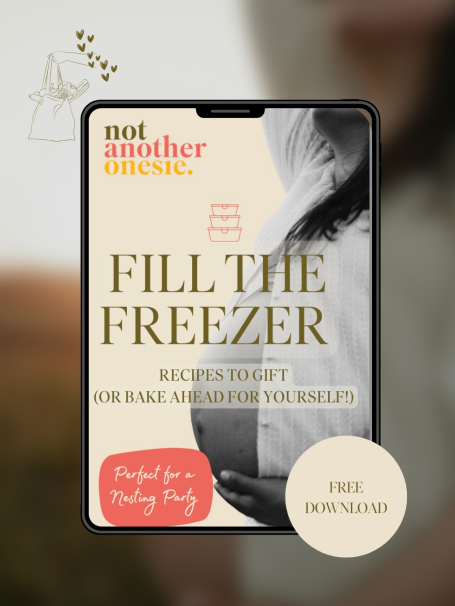
Fill the Freezer - recipes to gift or make ahead
Whether you’re preparing for your own postpartum, showing love to a new mum, or simply wanting to make everyday life a little easier, food is one of the most nourishing gifts we can give. This recipe collection has been created with you in mind: quick to make, freezer-friendly, and packed with ingredients that fuel tired bodies and busy minds. Each one can be baked ahead of time for yourself or wrapped up and given as a thoughtful gift. Includes 6 recipes, a shopping list and a plan to get them all prepped and ready in one go.

Conversations to Have Before Bub Arrives - Free to Download
The best preparation isn’t having all the answers, it’s knowing how to have the conversation.
Download your free Couples Conversation Cards and create space for the discussions that can help you navigate pregnancy, postpartum and parenthood as a team.
You may also be interested in...





Birth & Beyond Education
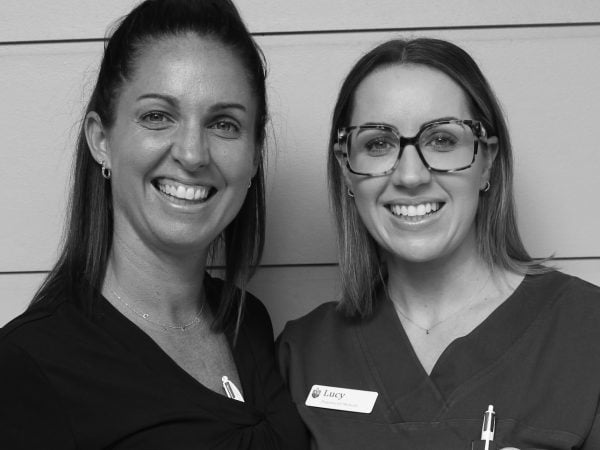
Birth & Beyond Education provides comprehensive birth, parenting, and feeding education, along with postnatal support, birth debriefs and home visits. Founded by highly experienced midwives, Lucy & Kristin, their mission is to empower expectant parents with honest, realistic, and evidence-based education.
Learn about the support you didn't know you needed.
We have cherry picked the most useful resources for your fourth trimester so that you don't have to waste precious hours searching.


Article - Sarah Mahri (Sarah Mahri Babywearing)
Babywearing Safety: How to Choose the Right Baby Carrier and Wear Your Baby Safely
In this guide, Babywearing Educator Sarah Mahri explains why so many families choose babywearing, how to choose the right baby carrier for your family, what a safe and supportive fit looks like, and the most common mistakes she sees parents make.

Article - Louise Barton + Elisha Wildblood (Not Another Onesie)
When You Need to Be Prepared: Parenting Support That Builds Confidence Before You Need It
In this final edition of The Support Edit, we're introducing three Australian businesses helping families prepare before they need to. Their work empowers parents, grandparents and caregivers with practical knowledge that makes a real difference when it matters most.

Article - Kylee Shepherd (Ma Wisdom)
Keeping the Village Strong: How Modern Grandparent Workshops Support Families
Becoming a parent doesn’t just change your life; it reshapes the whole family. As new mums navigate sleepless nights, identity shifts, and the steep learning curve of parenthood, their own parents are experiencing a transition too. That’s where modern grandparent workshops come in. Across Australia, these programs are helping families strengthen connection, understanding, and boundaries so that everyone, parents, grandparents, and babies, can thrive together.