

Is This Normal? The Emotional Rollercoaster of Pregnancy and Motherhood.

What No One Tells You About Mental Health in Motherhood
Expert insights from Lotus Health and Psychology on navigating pregnancy and postpartum wellbeing
Mental health during pregnancy and postpartum is something many mothers don’t expect to struggle with, but it’s more common than we think. In this interview with Lotus Health and Psychology, we explore what perinatal mental health support really looks like, why anxiety is often overlooked, and how to take the first steps even when you feel like you’re running on empty. Whether you’re expecting, newly postpartum, or years into motherhood, these insights might be the nudge you didn’t know you needed.
What are some of the most common mental health challenges you see during pregnancy and the postpartum period that people often don’t expect or talk about?
Most people have heard of postnatal depression, but they probably don’t realise that for a lot of mums, this starts during pregnancy, then continues into the postpartum period. This is why we now tend to refer to perinatal depression (which means the entire period of time that covers pregnancy and after the birth of the baby). It’s really important to be alert to low mood even when you are still pregnant. A bad day here or there is typical, but when they start “joining up” that’s not a good sign.
Most people also don’t realise how common anxiety is during pregnancy and postpartum. This can be triggered by previous infertility, or because you’ve had a miscarriage/pregnancy loss, or sometimes, just because, but perinatal anxiety is probably twice as common as perinatal depression.
Finally, lots of people think about PND in Mums, but they forget that it can affect dads too. And unfortunately, if one parent is depressed during/after the pregnancy, they increase the risk that the other will also become depressed.
What would you say to the mother who’s afraid to speak up because she worries she’ll be judged, made to feel something is wrong with her or that it won’t help her anyway?
Not everyone is going to understand perinatal depression, and lots of people will tell you that feeling low is “normal” but you really aren’t supposed to ‘suffer in silence”. You know yourself best. If you think you’re “not right”, you are probably correct. Either way, there is no harm in talking to a good GP or reaching out to a perinatal psychologist for a mental health check in – the worst thing that they would say is that you’re actually ok!
When you’re already running on empty, the thought of booking a mental health appointment can feel impossible. What advice do you have for making that first step feel less intimidating?
Speaking to a psychologist can feel really scary, particularly if you’ve never done it before, but most people walk away feeling like a “weight” has really lifted. Talking helps. If it feels like too much to contact a psychologist, maybe just start by speaking to your GP. or even a friend that you really trust. The most important thing is to talk to someone and get some help before things get too bad.
Mental health becomes relevant not just in times of crisis. What does good emotional and mental care look like in pregnancy and early motherhood when things are ‘okay’?
We need to remember that mental ‘health’ is not just the absence of mental ‘illness’ – it’s better than neutral – it’s actually feeling good. Pregnancy can be exhausting, but it’s just the beginning… the marathon really starts once your baby comes home, so it’s important that we keep you feeling good and have plenty in “the tank”.
Positive mental health looks like anything which builds up that tank – and ensures you are feeling happy, healthy and resilient.
How important is it to have a “mental health village” before birth, and who might be in that village besides a psychologist?
It’s so critical to have a village as we embark on parenthood, and a mental health village is definitely part of that. This might be a great perinatal psychologist, but it might also be your GP, or even your obstetrician and midwife team. Hopefully, this village might also include your family (especially your mum, if she is in your life and knows how to support you), and of course, your friends. If you have a partner, they should be at the centre of that village – cheering you on and holding you up on the days you need it. Your mental health village could include anyone who you know will let you check in, and will help you get support – without fear of judgement.
Can you share what role hormones, identity shifts, and sleep deprivation play in emotional wellbeing and how mothers can honour that without blaming themselves?
All of these factors can play a significant role in how we feel during and after pregnancy – I could talk for hours about each of them! Pregnancy and the shift in role of becoming a mother is a LOT. You are inevitably going to have tough days without really knowing why – thats just one of the reasons to have that mental health village, so you can lean on someone who can help you reflect on whether how you are feeling is just a momentary glitch or something more concerning – and support you to get help if it turns out you need to.
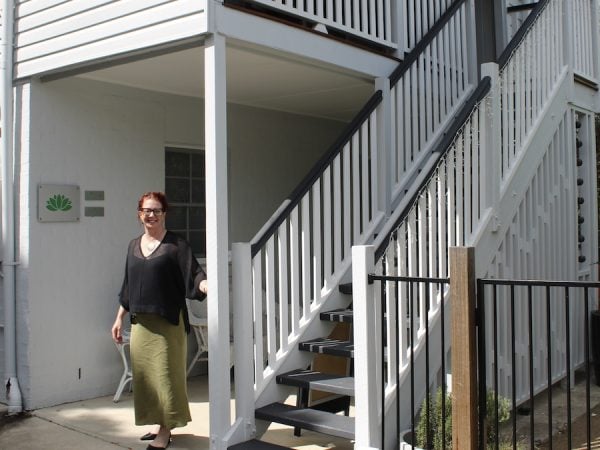
Tell us a little about your clinic… who do you support, and what can a new or expecting mother expect when they walk through your doors (or reach out virtually)?
At Lotus Health and Psychology, we focus on providing compassionate, “wrap-around” care from our multidisciplinary team of practitioners. Our team provides support through the perinatal period and parenthood, as well as through other life challenges in childhood, adolescence, and adulthood.
Each Lotus Health and Psychology clinician is expertly trained to provide support through the perinatal period. We focus on providing compassionate, evidence-based interventions to families wherever they are on their fertility, pregnancy, and parenting journey. This includes, but is not limited to, providing care for people:
- Needing support during treatment for infertility
- Who face the life of involuntary childlessness
- Who are undertaking donor conception and surrogacy (and also working with those born as a result of these arrangements)
- After emotionally and physically traumatic birth experiences
- Who have experienced miscarriage, stillbirth or neonatal death
- Who are undertaking a pregnancy subsequent to previous obstetric trauma or perinatal loss
- Struggling to connect with their babies due to postnatal depression and anxiety
We recognise the specific needs of families faced with pregnancy decision making after diagnosis of fetal abnormality, as well as those who might not “fit” typical obstetric and maternity services, such as solo parents, those having their “rainbow baby” after loss, and LGBTIQA+ parents.
What types of therapy or support do you offer, and how are they tailored to the unique experiences of perinatal women?
Our clinicians provide a broad range of psychological interventions, including CBT, ACT, schema-focused therapy, and EMDR. Our clinicians provide trauma-informed and neuroaffirming care. We know that there is no such thing as a “one-size fits all” approach, so we spend our initial session getting to know why each client has attended, and building a plan that ensures their individual needs are met.
Do you find that mothers need different types of support at various stages, say, pregnancy vs. 6 months postpartum vs. returning to work, and how do you work with that?
Mums (and dads!) definitely need different support at different stages of the parenting journey – it’s one of our strengths as a clinic, that we are able to support people no matter where they are. We understand that your needs will be different whether you are experiencing infertility, have already achieved a pregnancy, are a brand new parent, or even if you are “a few years in” to the whole parenting job – it ok, we will meet you where you are.
Support can feel out of reach for some mothers due to financial stress. What would you say to a mum who knows she needs help but can’t afford to see a psychologist? Are there lower-cost or access options you’d recommend?
It’s natural to feel stressed about your outgoing costs when you’ve just had a baby, but it’s also essential to prioritise your psychological wellbeing. But a good first step is always to talk to your GP – they will be able to help guide you to the services near you that might be able to help. PANDA is also a great resource (they have online and phone support) to start you on your journey to getting the help you need.
You’ve worked with many mothers. What’s something you wish every woman knew or believed about her mental health in motherhood?
Every woman needs to remember that being a parent is HARD. There will be days when parenthood will really test you. There will be days when you don’t much like your child, or being a mum… or yourself. There might be more of these days if there is other stuff going on for you (like relationship issues, or financial stress, or family problems). But having days when you struggle doesn’t define you, or what kind of mother you are… what matters is what you do about it. The good news is, you don’t have to get through those tough times alone – if you build that village, then there are many hands to swoop in and help hold you up.

Learn about the support you didn’t know you needed.
We have cherry picked the most useful resources for you, so that you don’t have to waste precious hours searching.

Article - Emma Attard (Femme Space Physiotherapy)
Pelvic Floor Physio: The Pregnancy and Postpartum Questions Women Are Afraid to Ask
We asked Emma Attard, founder of Femme Space Physiotherapy, the questions women might be unsure or embarrassed to ask: what a pelvic health physio actually does, when to book, whether Kegels are the answer and what happens at a first appointment.

Article - Louise Barton & Elisha Wildblood (Not Another Onesie)
More Than a Cleaner: How Family Clean Is Helping Australian Families Get Their Time Back
Every family experiences times when life feels a little fuller. For some, it's late pregnancy when everyday household jobs become physically difficult. For others, it's the newborn months, where every spare minute is spent feeding, settling and soaking up precious moments with a new baby. Many families reach out when returning to work, during school holidays or while juggling multiple children's schedules. And increasingly, Family Clean supports parents who are caring for both young children and ageing parents at the same time.

Watch - Louise Barton + Elisha Wildblood (Not Another Onesie)
Why Becoming Parents Changes Even the Strongest Relationships (And What Actually Helps)
Becoming Parents Together: The Conversations, Confidence and Connection Every Couple Needs brings together three organisations dedicated to supporting fathers, relationships and families through the transition into parenthood. Whether you're expecting your first baby, navigating the newborn months or supporting someone you love, this webinar offers practical insights, reassurance and real conversations that every parent deserves to hear.
Article - Rashelle Leahy (Mummas Circle)
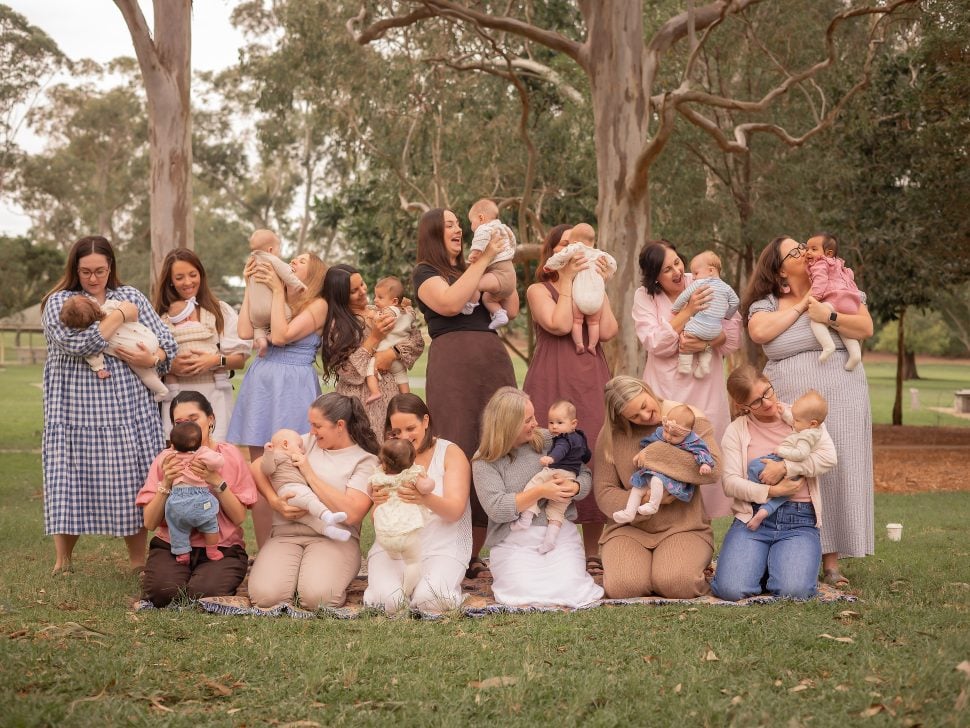
Feeling Lonely as a New Mum? How to Find Your Village
Loneliness in new motherhood is something many women experience, even when they're surrounded by people. Finding a supportive community, whether through mothers' groups, local activities, friends or professional support, can make the transition to motherhood feel less isolating. Mummas Circle founder Rashelle Leahy shares why finding your village matters and what her own experience taught her about connection after having a baby.

You may also be interested in...




Learn about the support you didn't know you needed.
We have cherry picked the most useful resources for your fourth trimester so that you don't have to waste precious hours searching.

Article - Joelene Murdoch (Born Ready)
Understanding and reducing fear in birth: Empowering women through knowledge and preparation.
But what if you could approach birth with confidence, clarity, and peace of mind? What if, instead of fearing the unknown, you were able to embrace it as a powerful, empowering journey?

Article - Louise Barton + Elisha Wildblood (Not Another Onesie)
Not Sure What You Need After Baby Arrives? Start Here
The truth is, most mums aren’t told how to prepare for the fourth trimester, the raw, tender, and transformative time after birth. You might feel sore, sleep-deprived, disconnected, or emotionally all over the place. And that’s completely normal. But it doesn’t mean you have to go through it alone. This blog is your gentle starting point, a guide to the kinds of support you may need (and deserve) after baby arrives.


Article - Louise Barton & Elisha Wildblood (Not Another Onesie)
How to Calm Your Nervous System During Stressful Times (Especially for Mothers)
When the world feels uncertain, your nervous system will naturally try to protect you. But safety doesn’t only come from everything being calm. It also comes from the small, steady moments you create, and the support you allow yourself to receive. You don’t have to carry it all on your own. And you were never meant to.
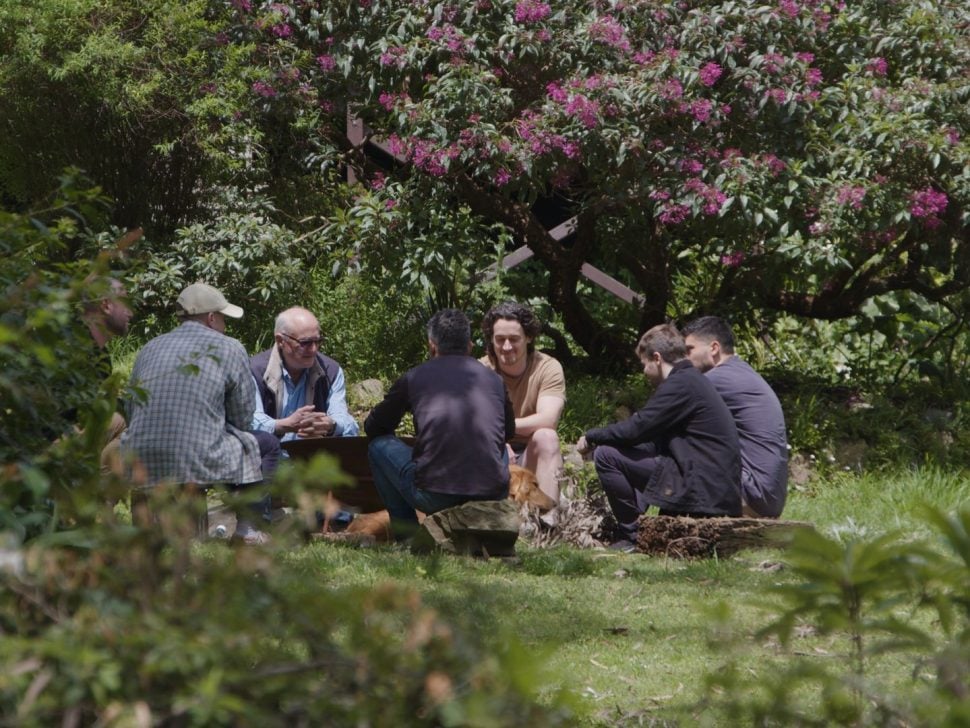
Article - Jason Seeman (Raising Fathers)
Why the Transition to Fatherhood Can Feel So Hard: Dads’ Mental Health, Relationships & Patrescence
Raising Fathers offers educational courses, community events and mentoring for men moving through that transition, working from a simple premise: better dads lead to better families, and better families shape a better world. When fathers fully show up, families and culture thrive.