

Why Would a Baby Need to See a Chiropractor?

Gentle care, big impact — what infant chiropractic is really about
When people hear the words “chiropractor” and “baby” in the same sentence, it can raise eyebrows — and fair enough. At Nomad Chiropractic, we don’t “crack” newborns or treat them like tiny adults. In fact, our work with babies is one of the gentlest and most intuitive things we do.
But here’s the truth: the process of being born — even in the most straightforward labour — is physically demanding for a baby. Their tiny body, spine, and nervous system go through incredible compression, rotation, and adaptation just to enter the world. And in cases where labour is prolonged, assisted, or surgical, the strain can be even greater.
What Does Chiropractic Care for Babies Actually Involve?
Chiropractic in infancy is about supporting the nervous system, gently easing biomechanical tension, and helping the body regain balance after birth. It’s not about treating disease or chasing symptoms. It’s about creating space for optimal function — especially in those crucial early weeks when babies are learning how to suck, swallow, digest, turn their head, and settle.
Common signs parents bring their baby in for include:
Difficulty latching, especially to one breast
Reflux or frequent vomiting
A flat spot on the head (plagiocephaly)
Torticollis or a strong head-turning preference
Excessive crying or difficulty settling
Constipation or wind
Stiffness or arching when lying down
Delays in lifting the head or tummy time struggles
These aren’t diagnoses — they’re signs your baby might be experiencing tension, misalignment, or nervous system stress. And that’s where we can help.
The Birth Process Matters
Studies show that assisted births — including vacuum, forceps, or cesarean sections — are more likely to result in musculoskeletal strain on the newborn (Black et al., 2015). Even a long or fast labour can create subtle patterns of tension in the spine or skull that affect feeding, digestion, or sleep. And because the nervous system is developing at lightning speed in those first few months, the earlier we can support balance and function, the better.
What Does an Infant Chiropractic Session Look Like?
At Nomad, our baby appointments are:
Gentle and baby-led (often while feeding or sleeping)
Based on subtle cranial and spinal movement
Rooted in a neurologically-informed approach (including primitive reflexes, tone assessment, and vagus nerve support)
Respectful of each child’s unique story
There is no cracking or forceful adjustment. Most babies are relaxed, soothed, and visibly more at ease after a session.
Why the Nervous System?
The nervous system controls everything: sucking, swallowing, digestion, temperature regulation, immune response, and sleep cycles. If there’s mechanical tension — say, in the neck, cranium, or diaphragm — it can compromise these functions. Chiropractic aims to remove interference and help the body restore its natural rhythm.
Is Chiropractic Care for Babies Safe?
Yes. Research consistently supports the safety of chiropractic care in infants when delivered by trained professionals (Todd et al., 2021; Miller & Newell, 2012). At Nomad, we use gentle, specific techniques that respect the unique physiology of the infant body.
We also refer out when necessary — whether to a GP, paediatric physio, lactation consultant (IBCLC), dentist, or osteopath — and we document everything thoroughly.
The Nomad Difference
Our approach is different because:
We treat the whole baby, not just the symptom
We educate and empower parents
We honour your intuition and observations
We collaborate with other birth and infant care providers
We create a calm, regulated space for the entire family
Important Considerations
Chiropractic care for infants is gentle, specific, and safe when delivered by a trained professional.
Techniques for babies are vastly different from adult adjustments, involving soft, sustained pressure similar to checking the ripeness of a tomato.
We work collaboratively with other healthcare providers, including paediatricians, IBCLCs, and maternal health nurses, to ensure your baby receives holistic and thorough care.
FAQs
1. Do babies need chiropractic care only if there is a problem?
2. How does chiropractic care fit into a baby’s overall health team?
3. Can chiropractic care support a baby’s development?
4. Is chiropractic suitable for both newborns and older babies?
5. What makes baby chiropractic different from adult care?
Read more in this series here, where this post was originally posted.
Find out more about how Nomad Chiropractic can support you and your family here and here.
References
Black, F., et al. (2015). Birth interventions and musculoskeletal issues in newborns. Journal of Clinical Chiropractic Pediatrics.
Miller, J. E., & Newell, D. (2012). Safety of chiropractic manual therapy in children. Chiropractic & Manual Therapies, 20(1).
Todd, A. J., et al. (2021). Adverse events due to chiropractic care in children: A systematic review. BMJ Open.
Disclaimer
At Nomad Chiropractic, we do not claim to treat, cure, or prevent medical conditions. The information here is general in nature and educational only. For medical concerns, please consult your GP, paediatrician, or healthcare provider.
You may also be interested in...
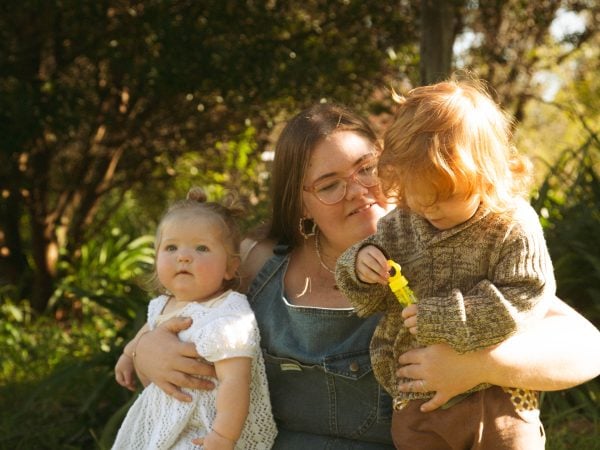



Beattie Street Health Studio
Founded by Dr Melinda Webb, Chinese medicine doctor, Dr Joe Dispenza practitioner, and breathwork practitioner, Beattie Street Health brings together a team of experienced, multidisciplinary practitioners who share a passion for nurturing both body and mind. With a focus on continuity of care, we create a safe environment where mothers feel held, heard, and supported to restore balance in their physical health, emotional wellbeing, and energy.


Pause Postpartum
Paula is an Endorsed Midwife and the founder of Pause Postpartum, a private midwifery service supporting families in the early weeks after birth. With extensive experience in pregnancy, birth and postpartum care, Paula has seen how much more confident families feel when they are truly supported, and how this positively impacts their postpartum experience.
Learn about the support you didn't know you needed.
We have cherry picked the most useful resources for your fourth trimester so that you don't have to waste precious hours searching.

Article - Elisha Wildblood and Louise Barton (Not Another Onesie)
Beyond Baby Stuff: Gifting Support to New Mothers
At Not Another Onesie, we're passionate about gifting support services that improve life after birth for mamas everywhere. We believe new mothers need love, support, and nourishment more than baby stuff.

Article - Illy Lawrence (The Sick Sense)
How to Clean Your House After Family Sickness
This practical guide walks through simple steps for cleaning your house after family sickness, helping reduce germs in the home and reset your space once everyone is feeling better. Ever reached the end of a sickness stint with your family and thought, “Yep, I could absolutely just light a match and start over”?

Article - Winnie Wu (Papaya Clinic)
Abdominal Binding, Tubigrip, and Recovery Shorts: A Postpartum Guide
In this guide, we’ll explore the role of these three postpartum support options, outlining when and how to use each one. We’ll also provide evidence-based insights into their benefits and explain how they can complement a broader recovery plan that includes core-strengthening exercises and professional care. Whether you’ve had a vaginal birth or a cesarean delivery, this article will help you make informed decisions about postpartum recovery.

Article - Louise Barton & Elisha Wildblood (Not Another Onesie)
Postpartum Support Australia: How to Plan Pregnancy, Birth & Fourth Trimester Care
The reality is this: while Australia has excellent maternity care, structured postpartum support in Australia is not automatically built into the system. And yet postpartum is when support matters most. This guide will show you how to organise pregnancy support, birth support services, and most importantly, proactive postpartum support in Australia, so you are not left navigating the fourth trimester alone.
Article - Dominique Webber (The Pillars Naturopathy)
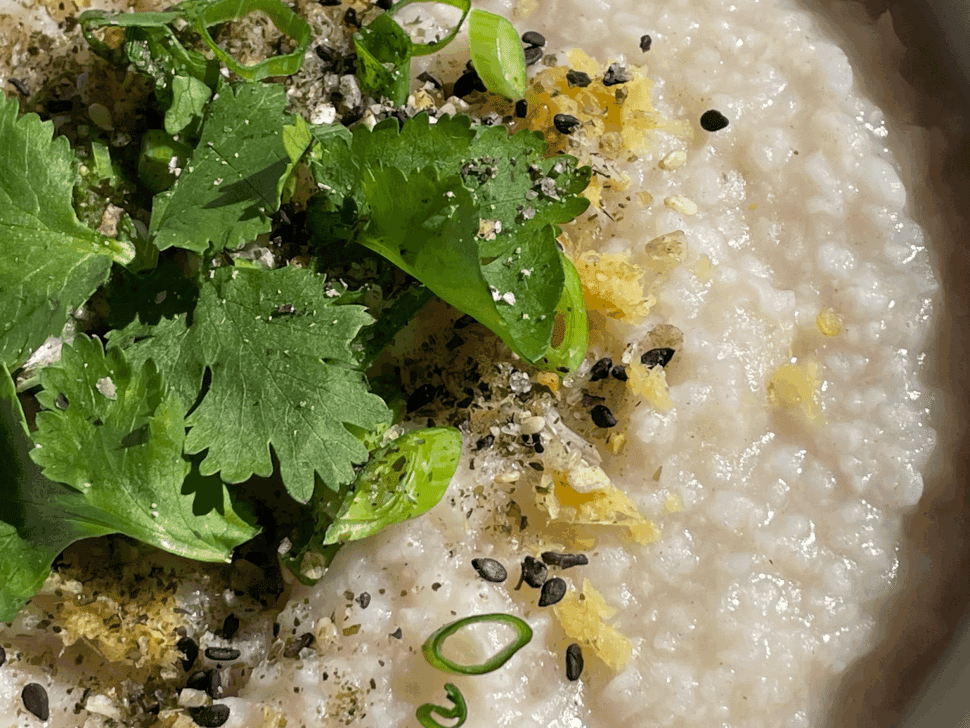
The Perfect Postpartum Recipe – Nourishing Rice Congee
Looking for a nourishing postpartum recipe that's gentle on digestion and easy to prepare? This warming rice congee recipe is packed with comforting ingredients traditionally used to support recovery after birth.