

Abdominal Binding, Tubigrip, and Recovery Shorts: A Postpartum Guide
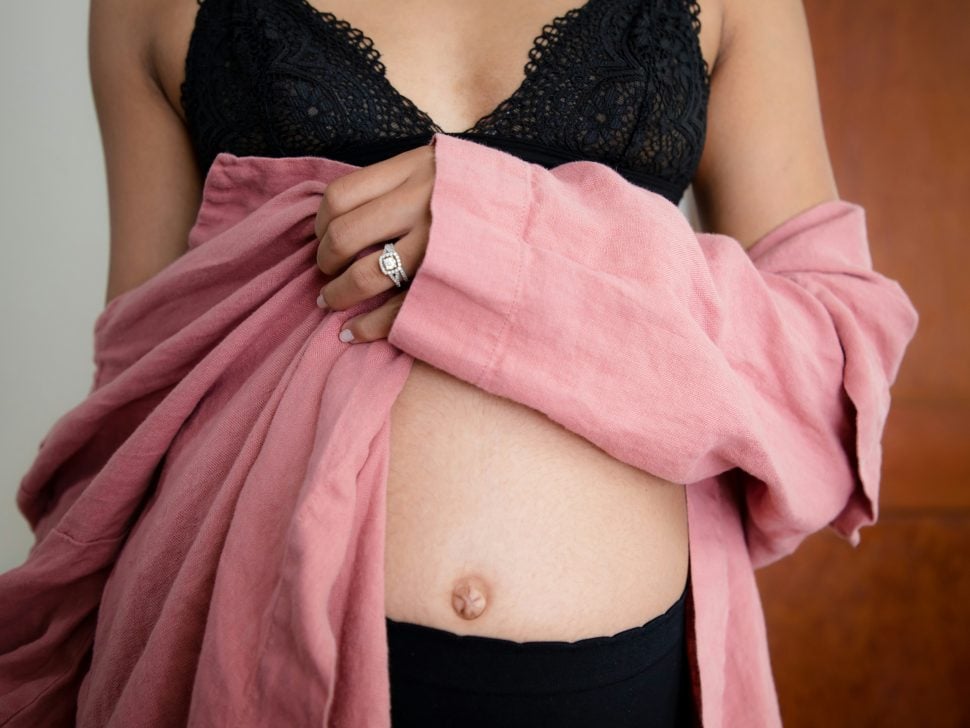
Welcoming a new baby is one of life’s most transformative experiences, but postpartum recovery often comes with physical challenges that many women feel unprepared for. From abdominal separation (diastasis recti) to pelvic discomfort and back pain, new mothers may experience symptoms that can affect their daily lives, confidence, and ability to care for their baby.
Abdominal support garments, such as Tubigrip, SRC Recovery Shorts, and abdominal binding, are designed to provide stability and comfort during the postpartum period. These products offer targeted support to reduce discomfort, aid recovery, and help you regain confidence as you adapt to life after childbirth.
In this guide, we’ll explore the role of these three postpartum support options, outlining when and how to use each one. We’ll also provide evidence-based insights into their benefits and explain how they can complement a broader recovery plan that includes core-strengthening exercises and professional care. Whether you’ve had a vaginal birth or a cesarean delivery, this article will help you make informed decisions about postpartum recovery.
1. Using Tubigrip for Postpartum Support: A Step-by-Step Guide
How to Use Tubigrip
Tubigrip is a lightweight, stretchy bandage that offers gentle compression for your abdomen during the early postpartum period (0–14 days). Follow these steps to use it effectively:
Measure and Cut:
Use a length of Tubigrip that fits snugly around your torso, from just below your bust to your hips.
The material should feel secure without being overly tight. You should be able to breathe and move comfortably.
Apply the Tubigrip:
Roll the Tubigrip up like a sock, step into it, and pull it up slowly to cover your abdomen.
Ensure it lies flat against your skin to avoid bunching, which can create pressure points.
Adjust for Comfort:
The Tubigrip should provide light compression and feel supportive, not restrictive.
If it feels too tight, try a larger size or cut a slightly longer piece.
Wear During the Day:
Use Tubigrip during daily activities when you need extra support, such as feeding your baby, walking, or performing light household tasks.
Avoid wearing it while sleeping to allow your body to rest and recover naturally.
Considerations and Modifications
After a Vaginal Delivery:
Tubigrip is generally well-tolerated after a vaginal birth. If you experience significant perineal swelling, ensure the Tubigrip does not press too low on the pelvis.
After a Cesarean Section:
For C-section recovery, position the Tubigrip to avoid direct contact with your incision. If the material irritates your scar, consider layering it over a soft, breathable fabric or consult your healthcare provider for alternative options.
If You Have Prolapse Symptoms:
If you’re experiencing heaviness or pressure in the pelvic region, Tubigrip can provide mild support, but additional pelvic support products like SRC Recovery Shorts may be more effective.
Duration of Use:
Limit Tubigrip use to the first 10–14 days postpartum. As your body begins to regain strength, transition to products designed for long-term recovery, such as SRC Recovery Shorts or abdominal binders.
Tubigrip is an excellent starting point for postpartum support, offering gentle stability during the early days. For more structured support as your recovery progresses, SRC Recovery Shorts and abdominal binding are great next steps. Let’s explore how these options can further aid your healing journey.
2. SRC Recovery Shorts: Comprehensive Support for Postpartum Recovery
SRC Recovery Shorts are a popular choice for postpartum women looking for targeted support during their recovery journey. These shorts are designed with medical-grade compression to promote healing, support your core, and alleviate symptoms like perineal discomfort or pelvic heaviness. Whether you’ve had a vaginal birth or a C-section, these shorts can provide much-needed comfort and stability.
How to Use SRC Recovery Shorts
Start Using Them Early:
Begin wearing SRC Recovery Shorts as soon as you feel comfortable, typically after the first 2–3 days postpartum.
They’re suitable for use even if you’ve had a C-section, as their soft and flexible waistband avoids pressure on your incision site.
Wear Daily for Optimal Benefits:
For the best results, wear the shorts daily for up to 12 hours.
Continue use for at least six weeks postpartum, or as long as you feel they’re providing benefit.
Choose the Correct Size:
Accurate sizing is crucial for comfort and effectiveness.
Measure your hips and refer to the manufacturer’s sizing guide to find the right fit.
Key Benefits of SRC Recovery Shorts
Core and Back Support: The shorts offer compression to stabilize your abdominal muscles and lower back, helping you regain strength and posture.
Perineal Support: Built-in layers reduce discomfort in the perineal area, especially for women recovering from vaginal delivery or experiencing prolapse symptoms.
Post-Surgery Comfort: Gentle compression supports the incision area after C-section, reducing swelling and improving mobility.
Improved Circulation: Medical-grade compression boosts blood flow, aiding in faster healing and reducing inflammation.
Considerations and Modifications
C-Section Recovery: Always ensure the waistband doesn’t irritate or put pressure on your incision site.
Vaginal Discomfort: If you’re experiencing significant perineal swelling or sensitivity, consult your healthcare provider to confirm the shorts are appropriate for your situation.
Pelvic Floor Symptoms: The additional support provided by the shorts can help alleviate feelings of heaviness or bulging, making them an excellent option for women experiencing mild prolapse symptoms.
When to Avoid SRC Recovery Shorts
If you have specific medical concerns or conditions like severe prolapse or incision complications, seek advice from your pelvic health physiotherapist or doctor before use.
Telehealth Support for NOA Mums
While abdominal binding, Tubigrip, and recovery shorts can make a real difference in your postpartum comfort, they work best when paired with tailored guidance from a women’s health physiotherapist. Every body and birth experience is different, what feels supportive for one mum might feel uncomfortable or even unhelpful for another.
A women’s health physiotherapist can assess your recovery, provide safe movement and core-strengthening guidance, and help you choose the best tools for your healing journey.
To make expert support more accessible, Papaya Clinic offers a 20-minute Women’s Health Telehealth Consultation exclusively for the NOA community.
You’ll connect with one of our experienced women’s health physiotherapists via secure video call, from the comfort of your own home.
During your session, we’ll:
- Discuss your birth and recovery experience
- Review early symptoms or areas of concern
- Provide tailored advice on safe movement and pelvic floor recovery
- Help you choose the right abdominal support garments for your stage of healing
You’ll also receive a physiotherapy prescription for SRC Recovery Shorts, allowing you to claim a health fund rebate if you purchase through Papaya Clinic.
Book your Women’s Health Telehealth Consultation here.
If you’d like to find out more about Papaya Clinic you can find them here and here


You may also be interested in...


Hannah Aislinn Nutrition
Hannah, a mum of two and the founder of Hannah Aislinn Nutrition, is passionate about helping women feel nourished, supported and confident through the different stages of motherhood, from fertility and pregnancy to postpartum recovery, breastfeeding and introducing solids to their babies.


Bond Lactation Consulting
Bond Lactation Consulting offers personalised in-home and clinic consultations, with each session centred around your baby, your goals and what is happening for your family right now. Isabella takes the time to listen, observe a feed and work alongside you to understand what is going on, before developing practical strategies you can confidently use at home.


Learn about the support you didn't know you needed.
We have cherry picked the most useful resources for your fourth trimester so that you don't have to waste precious hours searching.

Article - Melissa Miceli (Motherscape)
Occupational Therapy for Mothers: Support for Postpartum Recovery and Matrescence
During the postpartum period, many women experience challenges in daily routines, self-care, and identity. Occupational Therapy (OT) for mothers offers practical and emotional support to help women navigate these changes, rebuild confidence, and find balance in everyday life.
Article - Louise Barton & Elisha Wildblood (Not Another Onesie)
Why Motherhood Feels So Hard
Dear Mama, We see you. We see the way you pour yourself into motherhood, the way you carry the weight of the world while still showing up with love and strength, even when you feel like a shadow of yourself. As a society, we sit here adding to the pressure, adding to the load and, let's be brutally honest - failing you miserably every step of the way. We owe you an apology.

Article - Illy Lawrence (The Sick Sense)
How to Clean Your House After Family Sickness
This practical guide walks through simple steps for cleaning your house after family sickness, helping reduce germs in the home and reset your space once everyone is feeling better. Ever reached the end of a sickness stint with your family and thought, “Yep, I could absolutely just light a match and start over”?

eBook - Katie Blakely (Katie Blakely Wellness)
The Postpartum Nutrition Guide for Mamas
Hey Mama, are you preparing for postpartum? Or have you just had a bub and wondering how to manage this time, supporting yourself while you nourish and support your bub? This little eBook aims to help you feel prepared for postpartum, provide tips to support yourself, understand the nutritional requirements that come with postpartum, and to help you reach these goals.

Article - Dr Mandy Godwin ( Mums in Bloom )
When Should You Seek Support During Pregnancy or After Birth? A Perinatal Psychologist Explains
Pregnancy and the first year after birth can bring enormous emotional changes, and it isn't always easy to know when to ask for help. In this article, perinatal psychologist Dr Mandy Godwin explains some of the signs that may indicate you could benefit from perinatal mental health support, and the different support options available.