

About The Body Bloom
Nadine has been caring for women and families in Sydney for over 16 years. She is also a proud mother of three children — an experience that has shaped both her clinical perspective and her compassion for the realities of motherhood. Through years of further education, mentorship, and clinical focus, Nadine has developed expertise in preconception preparation, pregnancy care, birth preparation, and postnatal rehabilitation. Her ongoing professional development in both Australia and the USA places her among a small group of practitioners with advanced, internationally informed training in this specialised field.
At The Body Bloom, we believe:
• Pregnancy should be enjoyed, not endured.
• Birth should feel supported and empowering.
• Recovery should be realistic, intentional and thorough.
During Pregnancy, we assist women with;
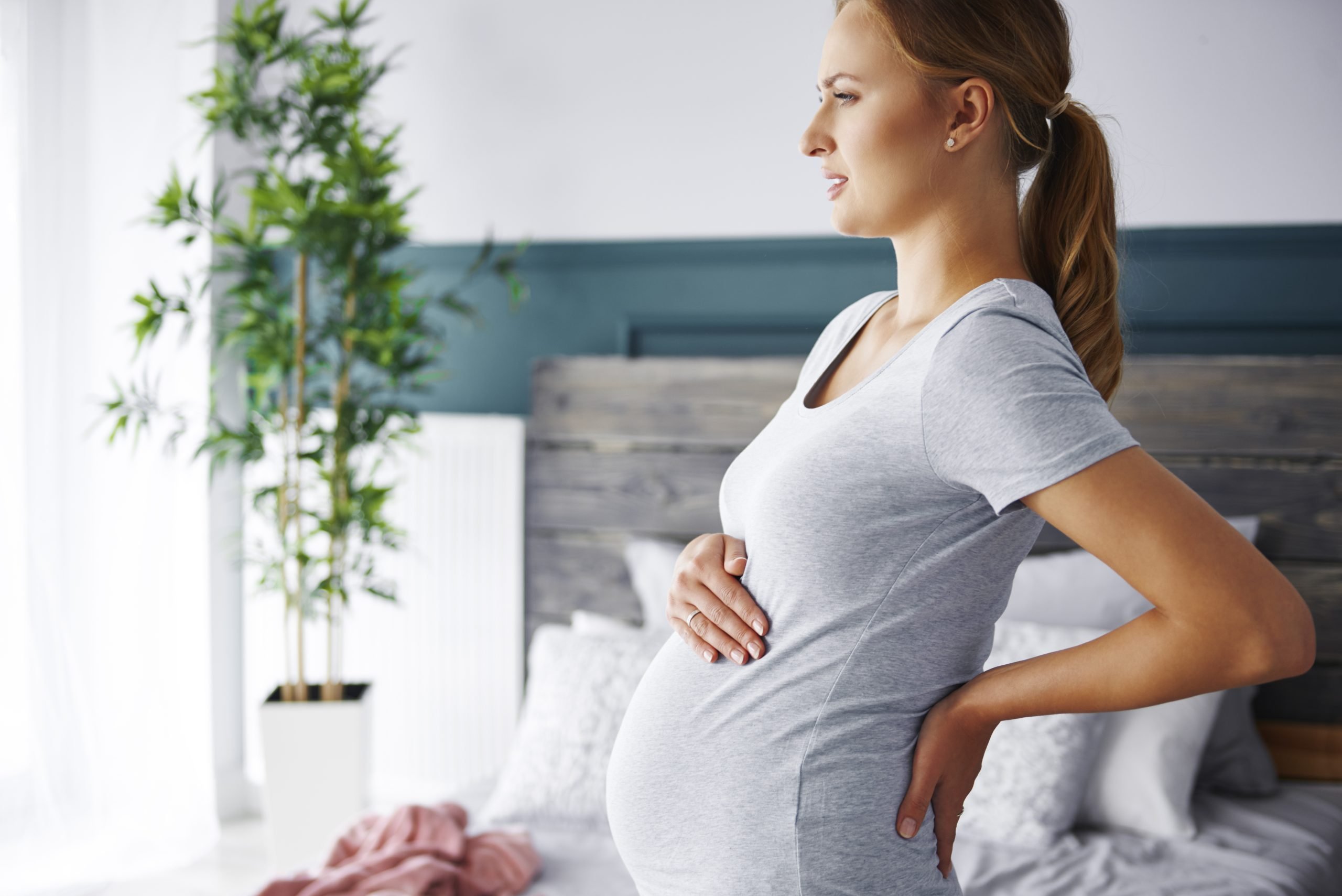
• Preventing and relieving back, pelvic, and hip pain
• Supporting optimal core and pelvic floor function
• Maintaining joint stability as ligaments soften
• Addressing muscle imbalances before they become injuries
• Promoting safe, pregnancy-appropriate strength and mobility.
As you enter the later stages of pregnancy, our focus shifts toward preparing your body for birth. During this phase of care, we:
• Assess and optimise pelvic joint mobility
• Support balanced muscle tone in the pelvic floor
• Improve hip and pelvic flexibility
• Encourage efficient breathing patterns that assist pelvic floor relaxation
• Prepare your body for effective pushing and recovery
What does postpartum care involve?
Your postnatal session includes a comprehensive assessment of:
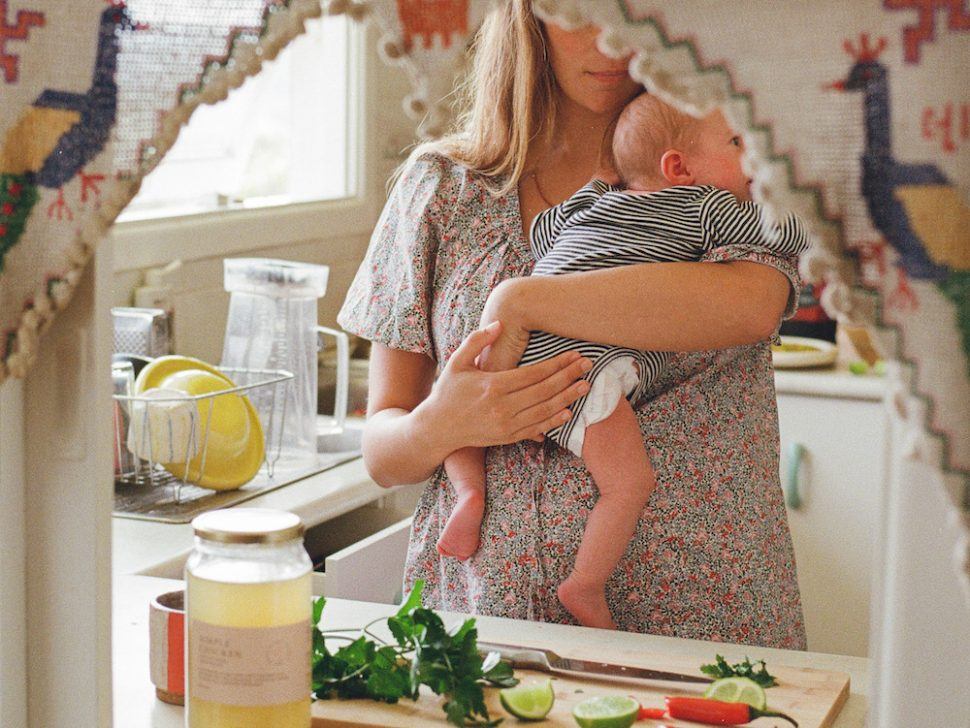
• Posture and movement patterns – particularly those influenced by feeding, carrying, and sleep deprivation
• Abdominal wall function – including assessment of diastasis recti (abdominal separation) and deep core activation
• Pubic symphysis integrity and pelvic stability
• Pelvic floor strength and coordination (externally assessed), including breathing mechanics and muscle activation
• C-section scar mobility and tissue healing (where relevant), as restricted scar tissue can affect abdominal and pelvic function
• Muscle tension, spasms, or weakness in the hips, back, neck, and shoulders
How we care for you:
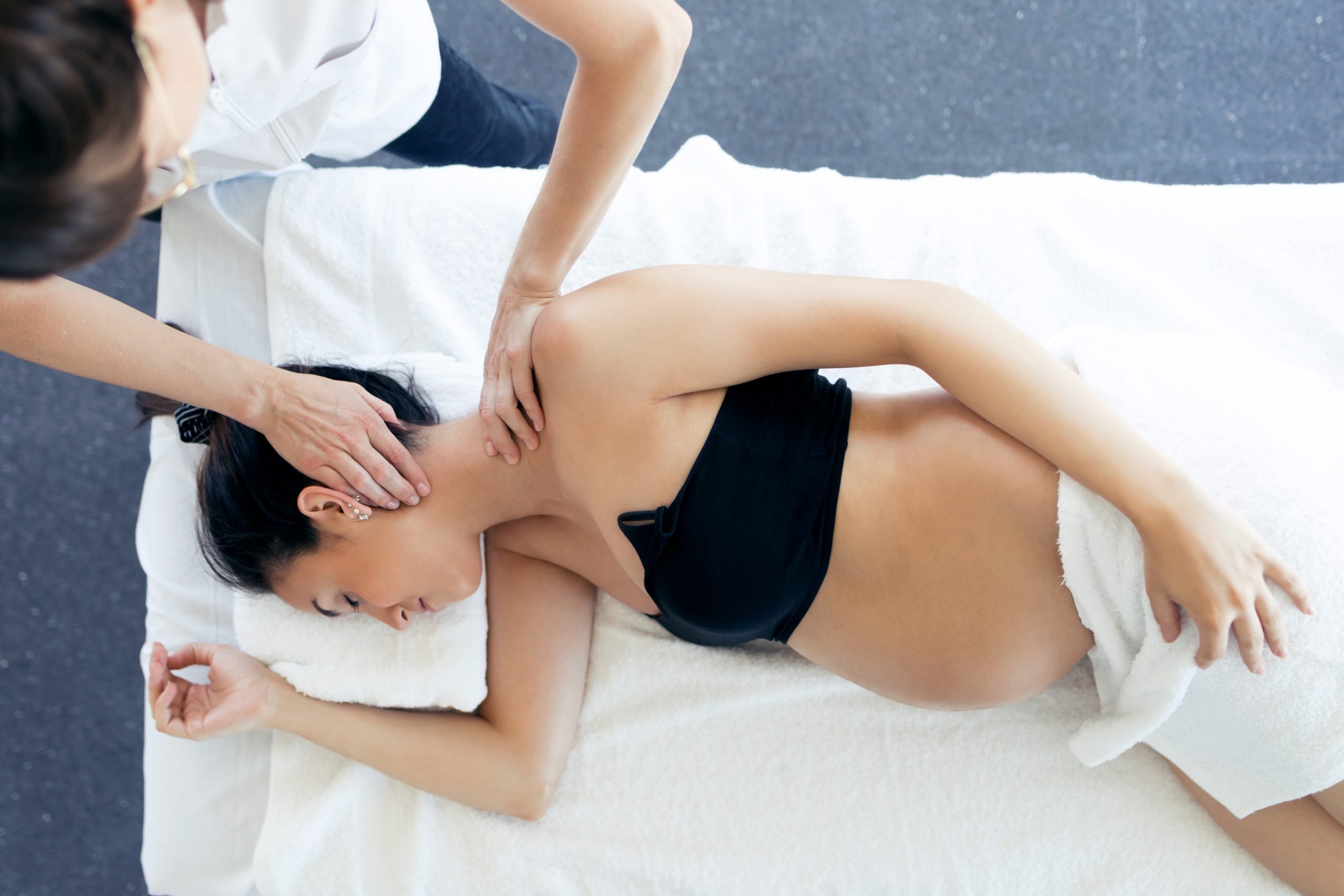
We combine gentle, evidence-informed manual therapy with tailored rehabilitation exercises designed specifically for your body. Your program may focus on:
• Acute and chronic pain resolution
• Restoring deep core and pelvic floor coordination
• Gradually rebuilding strength and load tolerance
• Improving joint stability
• Mobilising restricted tissues (including scar tissue)
• Supporting a safe return to running, gym training, or higher-impact activity when appropriate
Nadine is passionate about helping women feel strong in their bodies, confident in their choices, and prepared not only for birth, but for the years of motherhood that follow.
Areas of expertise
Pregnancy: Pain relief, strength training, pelvic preparation for birth.
Postpartum rehabilitation: Abdominal separation, pelvic floor, prolapse, strength training and return to exercise.
Company values
Accessibility
Diversity & Inclusion
Sustainability
Women Owned
You may also be interested in...



Kindred Midwifery, Obstetrics & Gynaecology
Kindred bridges the gaps that exist in maternity care, and allow women and families access care that is important to them in all aspects. Continuity with known care providers throughout pregnancy and into parenthood has enormous benefits for a family, and we acknowledge that care during this time is more effective when provided in collaboration, rather than isolation.

Fantastic Futures
Philippa; founder of Fantastic Futures and creator of The Family Architect brand.is a transformative birth and parenting coach, TRTP trauma therapist, experienced full-spectrum doula focused on Maternal Transitions, and mother of four based on the beautiful Sunshine Coast, Queensland.
Learn about the support you didn't know you needed.
We have cherry picked the most useful resources for your fourth trimester so that you don't have to waste precious hours searching.
Article - Joelene Murdoch (Born Ready)
Understanding and reducing fear in birth: Empowering women through knowledge and preparation.
But what if you could approach birth with confidence, clarity, and peace of mind? What if, instead of fearing the unknown, you were able to embrace it as a powerful, empowering journey?

Article - Louise Barton + Elisha Wildblood (Not Another Onesie)
Conversations to Have Before Bub Arrives
These conversations can help you understand each other's expectations, worries, hopes and plans before life becomes beautifully busy with a newborn. From sleep and support to finances, family boundaries, communication and the mental load, these are the conversations many couples don't have until they're already navigating postpartum.
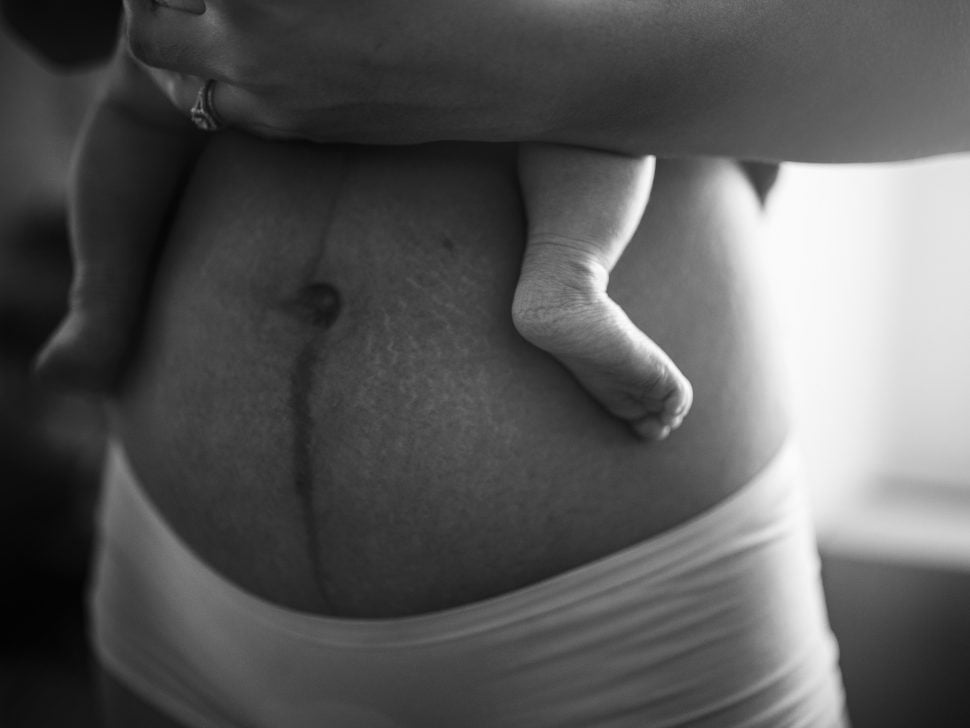
Article - Louise Barton + Elisha Wildblood (Not Another Onesie)
Not Sure What You Need After Baby Arrives? Start Here
The truth is, most mums aren’t told how to prepare for the fourth trimester, the raw, tender, and transformative time after birth. You might feel sore, sleep-deprived, disconnected, or emotionally all over the place. And that’s completely normal. But it doesn’t mean you have to go through it alone. This blog is your gentle starting point, a guide to the kinds of support you may need (and deserve) after baby arrives.

Article - Kirsten Hannan (Kirsten Hannan Osteopath & IBCLC Sydney)
Breastfeeding Difficulties: How Osteopathy and Lactation Support Can Help Mothers and Babies
Alongside my Master's degree in Osteopathy, I am also an International Board Certified Lactation Consultant (IBCLC), allowing me to combine gentle hands-on care with evidence-based breastfeeding assessment and support. In this article, I'll explain how physical factors may contribute to breastfeeding difficulties, when osteopathic assessment may be appropriate, and why a collaborative approach can help support both mothers and babies.