

Why the Transition to Fatherhood Can Feel So Hard: Dads’ Mental Health, Relationships & Patrescence
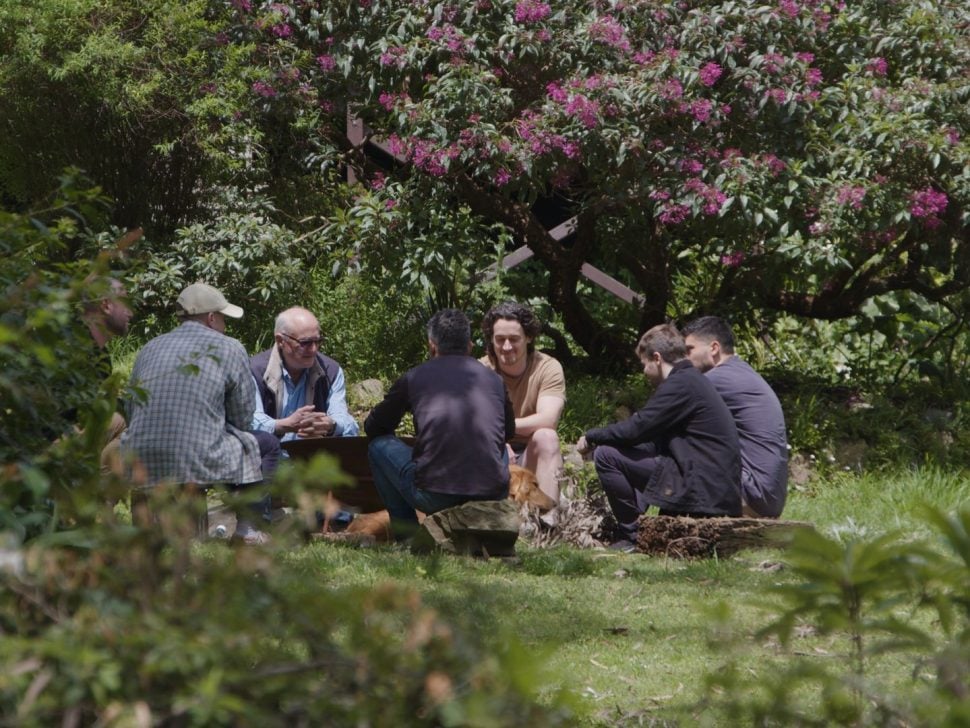
Most people prepare for the birth of a baby.
Almost no one prepares for what happens to you after.
We’re starting to talk more about matrescence, the profound physical, emotional, and identity shift women go through when becoming mothers. But what about dads?
The transition to fatherhood is just as real, and often just as disorienting, yet far less understood.
This experience has a name: patrescence.
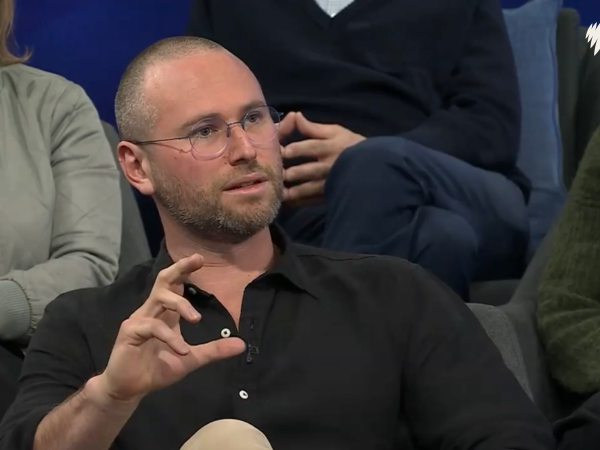
We sat down with Jason Seeman, Founder of Raising Fathers, to explore what patrescence really means, why dads’ mental health matters more than ever, how relationships change after a baby, and what real support for fathers should look like.
Tell us a little about yourself, what inspired you to create Raising Fathers, and the change you’re hoping to create for dads and families.
I’m the founder of Raising Fathers, which is dedicated to supporting men through patrescence, the developmental stage of becoming a father.
I believe this transition to fatherhood is one of the hardest and yet most beautiful stages of a man’s life. Change is always disorienting, and in this case, inevitable, but when it’s supported well, it can lead to better mental health outcomes for fathers, securely attached kids, and ultimately happier families.
Raising Fathers offers educational courses, community events and mentoring for men moving through that transition, working from a simple premise: better dads lead to better families, and better families shape a better world. When fathers fully show up, families and culture thrive.
We’re hearing a lot more about matrescence. Do you think there is an equivalent transition for fathers, and what does that look like?
Men have the term “patrescence,” which describes the psychological, emotional, relational, hormonal, and neurobiological processes of becoming a father.
The magnitude of change is different, but having language for the fatherhood transition matters. It allows men to recognise what they’re experiencing, normalise it, and engage with it more consciously.
Research shows fathers experience hormonal shifts that support caregiving, along with brain changes and what’s described as a reorganisation of identity. Becoming a father is a threshold, not an add-on. It asks a man to let go of who he was and step into something new.
What surprises most men about becoming a dad, and what do you wish every expectant father understood?
The biggest surprise is the relationship. Most couples focus on the birth and the baby, but underestimate how much their relationship will change. It’s very common to feel like you’ve “lost” each other at some point, often only recognising it once there’s conflict or distance.
This is where patrescence and matrescence intersect. It’s not just the presence of a child that shifts things, it’s that both individuals have changed. If you’ve both changed, then your relationship has too. Rather than trying to go back to how things were, the real work is understanding who you’re both becoming, and whether you can meet each other there.
If you’re navigating this stage, exploring support can make a meaningful difference.
Why does fathers’ mental health deserve more attention?
Fathers’ mental health deserves more attention because it has such a significant impact on the entire family.
A family is an ecosystem, and a father plays a protective role in both his partner’s mental health and his child’s development. When a dad is well, the whole family is more likely to be well.
Access to perinatal mental health support and early intervention services can be critical in this stage.
Many dads appear to be coping. What are some signs a father may be struggling?
It can be difficult to tell.
In men, mental health challenges don’t always look like sadness. They often show up as irritability, frustration, emotional detachment or withdrawal from family life. A father may appear to be coping externally, while feeling disconnected internally.
This often peaks between three and six months postpartum, which is why early support and awareness matter.
Why do many men still find it difficult to ask for help during pregnancy and early parenthood?
There are a number of factors.
Fathers are often sidelined in pregnancy and postpartum care, which can leave them feeling unsupported. At the same time, cultural expectations still push many men toward self-reliance.
There’s also a lack of awareness. Many fathers aren’t asked about their mental health at any point during the perinatal period, so support simply isn’t on their radar.
Finding a community, such as fathers’ groups or structured support programs, can be a powerful first step.
What are the most common challenges you’re seeing in modern fathers?
The most common challenges centre on a man’s relationship with his partner, and his capacity to sit with emotion.
Many men are wired to solve problems, but in parenting and relationships, what’s often needed is presence rather than solutions.
Learning how to sit with discomfort, whether that’s a partner’s emotions or a baby’s distress, is one of the most important and most learnable skills in fatherhood.
How does becoming parents change a couple’s relationship, and what helps them stay connected?
Most couples experience a drop in relationship satisfaction after having children, so if it feels hard, that’s not unusual.
The introduction of logistics can take over quickly. The mental load of parenting, the invisible work of planning, remembering and anticipating, is often where imbalance builds.
Staying connected requires intention. As communication becomes more limited, it needs to be more meaningful. Intimacy often needs to be redefined, particularly in the early postpartum period.
Support from professionals, as well as access to postpartum resources, can help couples navigate this transition with more clarity and less friction.
What practical strategies can help fathers protect their mental health and avoid burnout?
I use a simple framework called CPR plus Self: Connect with your baby, Protect your partner, Respect the mother-baby bond, and don’t forget Self.
That last part is often overlooked. Many fathers run on empty because they prioritise everything else.
Social connection is one of the most important protective factors. Connecting with other dads who are in a similar stage of life can significantly reduce isolation and improve wellbeing.
Maintaining physical health, getting rest where possible, and seeking support early all make a difference.
If every new dad had access to one form of support, what would it be?
Preparation for what happens after birth.
Most of the focus is on labour, but the real challenge is everything that follows. Understanding matrescence and what a partner is experiencing can completely change how a father shows up.
It helps him stay connected, supportive and engaged at a time when many couples feel disconnected.
What message would you give to new dads?
If it feels hard, it’s not because you’re doing it wrong.
It’s likely because you care, and you’re stepping into something that wasn’t modelled for you.
You don’t have to do it alone. Support exists, and so does community.
It takes a village to raise a child, and a mother and father, too.
Supporting Dads Through Patrescence
At Not Another Onesie, we believe support shouldn’t stop with mums.
When fathers are supported, the entire family benefits.
Explore the incredible work of Jason Seeman Founder of Raising Fathers Here and Here
Explore our Dads & Partners directory to find trusted support, or browse our perinatal psychology, relationship and postpartum support services.
You can also access our Gather your Village – webinars designed to help parents feel informed, supported and less alone.
Because support shouldn’t be hard to find.

Let's Gather Your Village - The Ultimate Guide
A free resource to help parents-to-be and new parents get all the support they need and deserve.
You may also be interested in...
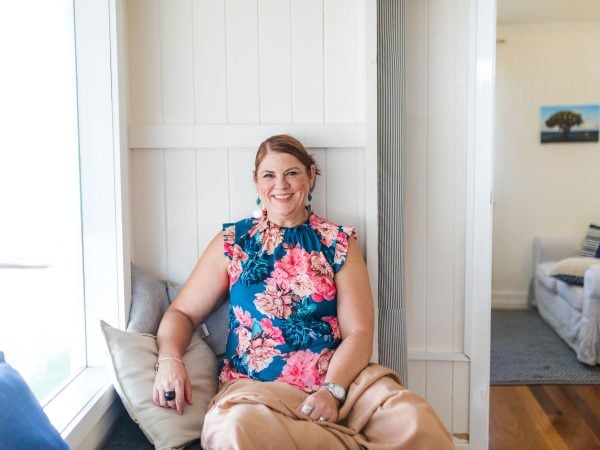

Karen O’Mara – Perinatal and Parenting Support
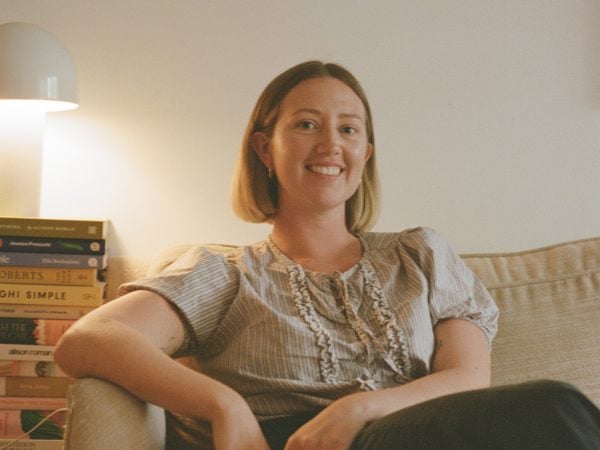
Karen O’Mara is a dedicated clinical social worker specialising in general women’s and perinatal counselling, mothers groups focusing on emotional experiences, and Circle of Security® Parenting™ programs to support and empower parents to develop knowledge and skills to meet their children’s emotional needs.
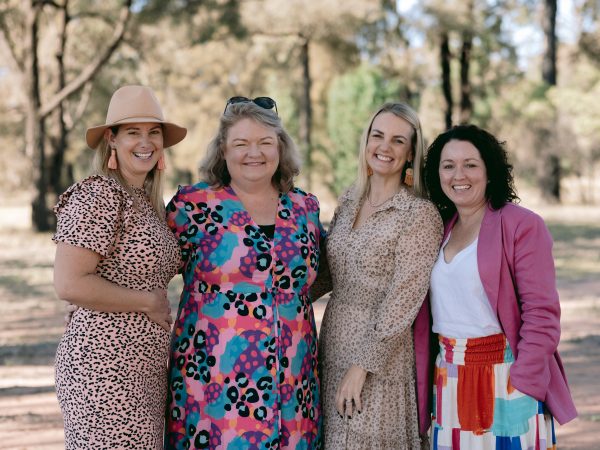


Tender Space Doula
Natasha, a postpartum doula & mum of two based in Brisbane. She felt a strong pull towards postpartum care work following her own transition into motherhood. This monumental shift demonstrated the importance of mother centred care and village support. Tender Space seeks to create a postpartum experience that leaves you feeling nurtured, held and empowered.
Learn about the support you didn't know you needed.
We have cherry picked the most useful resources for your fourth trimester so that you don't have to waste precious hours searching.
Article - Rachael Iudica (The Mama Well)
What is Circle of Security Parenting (COSP)? A Parent’s Guide to Secure Attachment and Understanding Children’s Behaviour
The Circle of Security Parenting Program (COSP) is an evidence-based parenting program designed to strengthen the relationship between children and their caregivers by promoting secure attachment. COSP is essentially a tool that helps parents better understand the attachment needs driving their child's behaviour.
Article - Elisha Wildblood and Louise Barton (Not Another Onesie)
Beyond Baby Stuff: Gifting Support to New Mothers
At Not Another Onesie, we're passionate about gifting support services that improve life after birth for mamas everywhere. We believe new mothers need love, support, and nourishment more than baby stuff.
Article - Alice Mason (Align with Alice)
Finding Calm within the Chaos
This idea flips the script. Instead of seeing happiness, peace or calm as something that only exists in the future, tied to the achievement of a goal, it invites you to find joy and satisfaction in the present moment. It’s a reminder that your feelings aren’t just an outcome of a milestone, but they are a tool for creating it.

eBook - Louise Barton & Elisha Wildblood (Not Another Onesie)
‘Fill The Freezer’ – Recipes to gift or make ahead for yourself
This recipe collection has been created with you in mind: quick to make, freezer-friendly, and packed with ingredients that fuel tired bodies and busy minds. Each one can be baked ahead of time for yourself or wrapped up and given as a thoughtful gift.
Article - Elisha Wildblood and Louise Barton (Not Another Onesie)
The Silent Struggle of Motherhood
Becoming a new mother is a beautiful and life-changing experience, but it can also be very challenging.