The Clean-Up Routine You Didn’t Know You Needed
1. Wash Bedding, Towels and Soft Items on a Hot Cycle
Hot wash everything that moved.
This includes towels, bedding, pyjamas, couch blankets and soft toys. If it touched a sick kid, it needs a hot wash.
60°C or higher is your best bet to kill germs, and drying items in the sun adds an extra layer of bacteria-busting UV magic.
2. Toy Triage: Clean and Isolate Toys After Illness
Something we like to call toy triage.
Toy triage means sorting and sanitising toys based on how they’ve been used during illness, deciding what needs washing, what needs disinfecting, and what might need a temporary time-out to stop germs spreading.
Hard toys can be soaked in a diluted disinfectant solution (check your label for ratios), rinsed, and left to dry in the sun.
Soft toys can go through a hot cycle in the washing machine. If that’s not possible, isolate them in a sealed bag for 48 hours so lingering bugs can die off.
3. Use a Proper Disinfectant When Needed
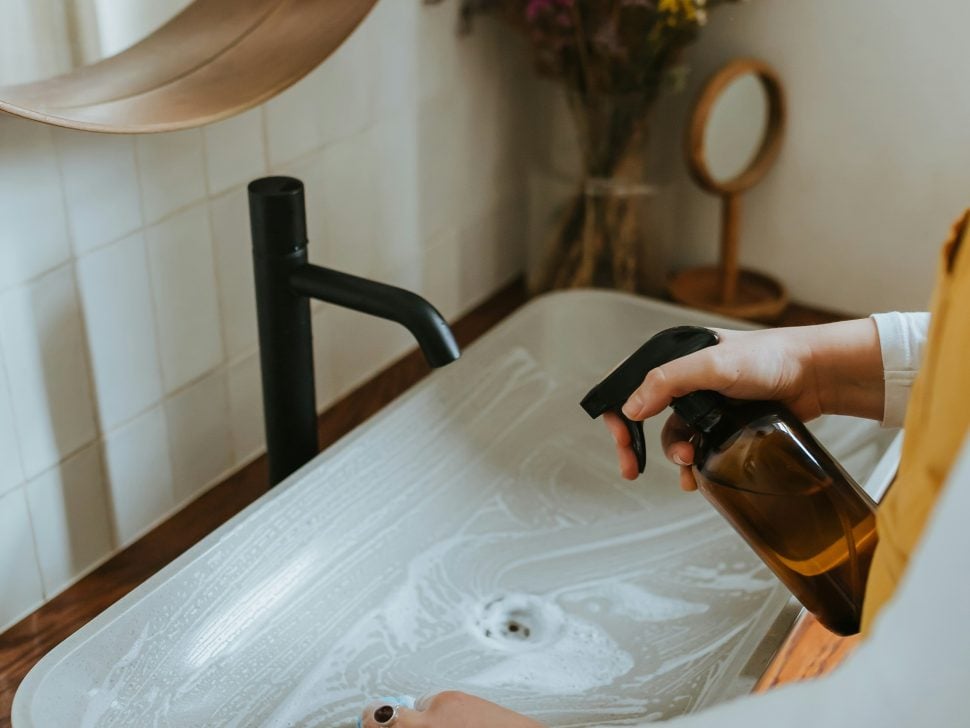
Eco-friendly is amazing … but sometimes you need the big guns.
After a solid run of sickness, it’s okay to bring in the heavy hitters.
Choose a disinfectant that clearly states it kills viruses and bacteria. Look for wording such as “hospital-grade” to make sure you’re using a proper germ killer when cleaning after family illness.
4. Clean High-Touch Surfaces Daily
High-touch equals high-priority.
Focus on areas germs love to linger:
Toilet buttons
Door handles
Light switches
Taps
Fridge handles
Toys
Wipe them down daily during illness and again once everyone is well.
5. Don’t Forget the ‘Forgotten Zones’
Phones, tablets, TV remotes, thermometers and baby monitors follow us (and our germs) from room to room.
These often get overlooked when disinfecting your home after sickness, but they can easily harbour bacteria and viruses.
Give them a proper wipe-down with a safe disinfectant.
6. Replace Toothbrushes After Illness
Don’t forget your toothbrush… seriously.
Once illness has passed, replace toothbrushes or brush heads for everyone in the household.
Bacteria and viruses can cling to bristles and reintroduce germs when you least expect it.
7. Clean the Carry-In Culprits
School bags, daycare backpacks, lunchboxes and water bottles travel everywhere, and bring back all sorts of invisible extras.
Wash drink bottles daily, wipe out lunchboxes and give bags a good weekly clean, inside and out.
8. Shoes Off at the Door
Setting a family rule of shoes off inside can help eliminate germs entering the home.
Shoes track bacteria and viruses from playgrounds, shopping centres, public toilets and everywhere in between.
Leave the germs at the door, literally.
9. Wash Hands Like It’s Your Part-Time Job
Hot, soapy water is still the MVP when it comes to preventing germs spreading in the home.
Especially after gastro.
Sanitiser has its place, but it’s no replacement for a thorough 20-second scrub with soap and water.
10. Open the Windows and Let Fresh Air In
Fresh air works wonders.
Opening windows helps:
dilute airborne germs
remove that “sick house” smell
bring life back into your home
If it’s safe to do so, throw open the windows and reset the room.