



About Esmée Geeratz
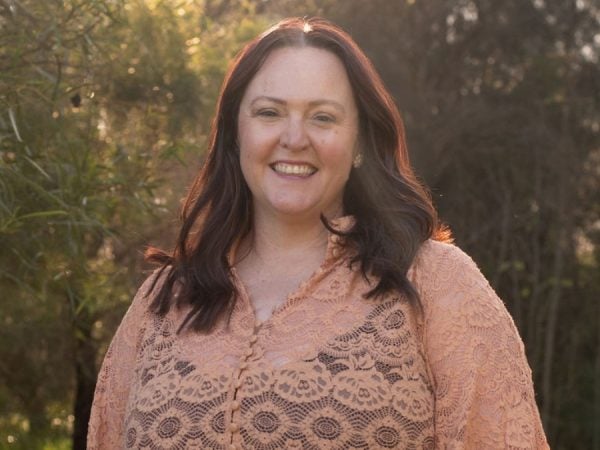
I’m Esmée – a mother and Overe® Practitioner in Specialised Kinesiology – devoted to supporting women through the invisible layers of motherhood.
I work with mothers who feel deeply, carry a lot, and sense that their system has been “on” for too long.
Many of the women I support are not new to personal growth. They’ve done the thinking, understand their patterns, and still find themselves overwhelmed, reactive, or stretched thin. Because motherhood isn’t just a role – it’s a full nervous system initiation.
Through body-based kinesiology, I work directly with your system – not just your thoughts. Using gentle muscle testing, we identify the stress patterns and emotional imprints your body is holding. From there, we support your system in releasing and recalibrating, so you don’t just understand what’s happening… you actually feel different in your daily life.
When a mother is overwhelmed, the whole home feels it. When she becomes more steady and regulated, everything begins to shift – from her child’s sleep and behavior to the emotional climate of the family.
I offer one-on-one sessions (online), private journeys for deeper recalibration, and group sessions focused on nervous system support in motherhood.
This work isn’t about coping better or pushing through. It’s about creating space in your system – so you can respond instead of react, feel calm instead of constantly on edge, and experience motherhood with more clarity, connection, and steadiness.
So you can feel like yourself again.
Areas of expertise
I’m an Overe® Practitioner in Specialised Kinesiology with a background in intuitive healing and ongoing studies in body-based work.
My approach is deeply informed by both professional training and lived experience – including navigating the intensity of early motherhood, sleep deprivation, and nervous system recovery.
I specialize in supporting sensitive mothers and their children, with a focus on the nervous system and the emotional climate of the home.
My work bridges practical, body-based techniques with a more intuitive understanding of the mother-child connection.
Company values
Diversity & Inclusion
Sustainability
Women Owned
You may also be interested in...





Learn about the support you didn't know you needed.
We have cherry picked the most useful resources for your fourth trimester so that you don't have to waste precious hours searching.

Article - Dr Mandy Godwin (Mums in Bloom)
Navigating the Emotional Side of Pregnancy and New Motherhood
The emotional side of pregnancy and new motherhood doesn’t come with a manual, but thankfully, Mandy Godwin, a perinatal psychologist in Australia and founder of Mums in Bloom, has created two free guides to help mums navigate this tender time and support their emotional wellbeing during pregnancy and postpartum.

Article - Louise Barton + Elisha Wildblood (Not Another Onesie)
Not Sure What You Need After Baby Arrives? Start Here
The truth is, most mums aren’t told how to prepare for the fourth trimester, the raw, tender, and transformative time after birth. You might feel sore, sleep-deprived, disconnected, or emotionally all over the place. And that’s completely normal. But it doesn’t mean you have to go through it alone. This blog is your gentle starting point, a guide to the kinds of support you may need (and deserve) after baby arrives.

Article - Dr Mandy Godwin ( Mums in Bloom )
When Should You Seek Support During Pregnancy or After Birth? A Perinatal Psychologist Explains
Pregnancy and the first year after birth can bring enormous emotional changes, and it isn't always easy to know when to ask for help. In this article, perinatal psychologist Dr Mandy Godwin explains some of the signs that may indicate you could benefit from perinatal mental health support, and the different support options available.

Article - Leonie Lindenbergh-Poot (Love Through Loss Doula)
Helping Children Navigate Grief
Children experience grief differently than adults. They may not have the words to express their feelings, so they show them in other ways—through tears, anger, or even unexpected silliness. Some days, they may seem perfectly fine, and the next, a wave of sadness can hit them out of nowhere. It’s all part of how they process the big feelings they don’t fully understand yet.

Article - Louise Barton + Elisha Wildblood (Not Another Onesie)
How to Talk About Sharing the Mental Load with Your Partner: A Complete Guide
In many households, the mental and emotional work of managing a family, often called the invisible load, falls disproportionately on mothers. It's not just about doing tasks; it's about carrying the mental checklist: remembering appointments, organising activities, planning meals, and anticipating everyone's needs. Over time, this invisible mental load can lead to resentment, overwhelm, and burnout.