


Interview with Courtney Wilton from Nourished Psychology
When should a mother consider reaching out for support, and what early signs of distress might go unnoticed?
Navigating the first few months after childbirth can be challenging, as low mood and mood swings may be mistaken for the baby blues. Recognising the early signs of postpartum depression is crucial; symptoms like irritability, anger, and frequent crying are common yet often overlooked. If these feelings persist for more than a couple of weeks, it’s important for new parents to seek support. Trusted sources like a GP, close friend, midwife, or lactation consultant can provide valuable assistance. Understanding and addressing postpartum depression is vital for both mental health and overall well-being during this transition.
How can a mama distinguish between normal parenting struggles and the need for professional help?
If it is starting to have a significant impact on their wellbeing, such as:
- Avoiding leaving the house
- Increased irritability
- Low mood
- Lethargy
- Trouble sleeping (which is hard to distinguish during the baby phase!)
- No energy
- Not enjoying things they previously did
What red flags indicate she should seek support sooner rather than later?
- Intrusive thoughts of wanting to run away, or harm oneself or the baby/children
- Constant feelings of sadness, with no ability to summon joy or happiness
What are the first steps if a mother feels she needs help but doesn’t know where to start?
While Google is usually the last place we want to find information, it can be a good starting point if we’re unsure what to ask or who to ask.
Search:
- ‘Mental health support for mothers’
- PANDA
- Gidget Foundation
- ‘ForWhen’ Helpline
- Not Another Onesie has many incredible mental health support practitioners
What should she expect from the first session, and what if she doesn’t find the right fit? Do you have any tips on finding the right fit?
Finding the right fit is the most important thing! Clients must feel seen, supported, validated, and heard. The first session is an information-gathering session, so it may involve a lot of talking as the clinician gathers insights to create the best path forward. It’s important that you feel comfortable and have input. If the fit isn’t right (as hard as it is), speak up, the therapeutic relationship is the strongest predictor of positive outcomes.
Can a parent seek support even if unsure what’s wrong, just that something feels off?
Reaching out to say, “I don’t feel great” can be an effective way to start exploring one’s feelings. Speaking to someone completely removed from their life provides a safe, judgement-free space to unpack what is going on or what thoughts are running through their mind.
How does stigma impact a mother’s willingness to seek help, and what advice would you give to those who feel they should ‘handle it all’ alone?
There are many reasons someone avoids therapy or doesn’t ask for help, and motherhood adds another layer.
The ‘perfect mother’ myth suggests that women should naturally know what to do. When they struggle, they often feel like failures. Many worry that admitting their struggles will be misunderstood or have consequences.
It’s crucial to normalise that parenting is hard. Asking for help isn’t a weakness; it’s a powerful step. Support and connection improve emotional well-being. You’re not alone in this journey.
How can partners, family, or friends support a struggling mother who is hesitant to seek help?
- Notice when it’s more than just ‘baby blues’ or hormones
- Ask how she really is, and give space for the answer
- Gently suggest speaking to someone, offer to help find a therapist or go with her
- Express concern kindly and without judgment, let her know you’re there
How can seeking support improve a mother’s wellbeing, relationships, and parenting experience?
Improving one’s sense of self and recognising their own capacity and capability is vital. Having a supportive presence is essential, someone who reminds them they are not alone on this journey. This connection can foster a deep sense of purpose. When a mother feels validated, seen, and heard, it reinforces her experiences. Having someone to lean on can make the complexities of motherhood feel more manageable, allowing for a more confident and empowered approach to this significant role.
What are the risks of ignoring struggles for too long, and how can therapy be a preventative measure rather than just a last resort?
Preventative support for women in their motherhood journey is paramount to ensuring their success. Early intervention can significantly help maintain attachment with children and foster healthier family dynamics.
However, the risks associated with delaying help for mental health issues can be substantial, particularly when women are unaware of their deteriorating condition until they are severely unwell. This delay can lead to a lack of enjoyment in what should be a beautiful season of life. Furthermore, untreated mental health challenges may contribute to breakdowns in relationships with partners, family, and friends, underscoring the necessity for proactive support and timely intervention.



Fill the Freezer - recipes to gift or make ahead
Whether you’re preparing for your own postpartum, showing love to a new mum, or simply wanting to make everyday life a little easier, food is one of the most nourishing gifts we can give. This recipe collection has been created with you in mind: quick to make, freezer-friendly, and packed with ingredients that fuel tired bodies and busy minds. Each one can be baked ahead of time for yourself or wrapped up and given as a thoughtful gift. Includes 6 recipes, a shopping list and a plan to get them all prepped and ready in one go.
Resources you may be interested in

Beyond Birth: Postpartum Preparation & Support Program with Rad Parents
$150.00
Rad Parents
Beyond Birth is an incredibly comprehensive postpartum preparation and support program, and it’s perfect for you if you’re bringing home a baby for the very first time.
By the end of the program, you (and your partner, if you have one) will have created a comprehensive, kick-ass postpartum plan, with my guidance. And you’ll feel so much more confident going into parenthood.

Holding the Mother: Matrescence Coaching With Elise Clement
$150.00
Elise Clement Coaching & Psychotherapy
Holding the Mother with Matrescence coaching.
Matrescence coaching is a powerful way to feel validated as you unpack the challenges, discomfort and doubts arising in this phase of your life.
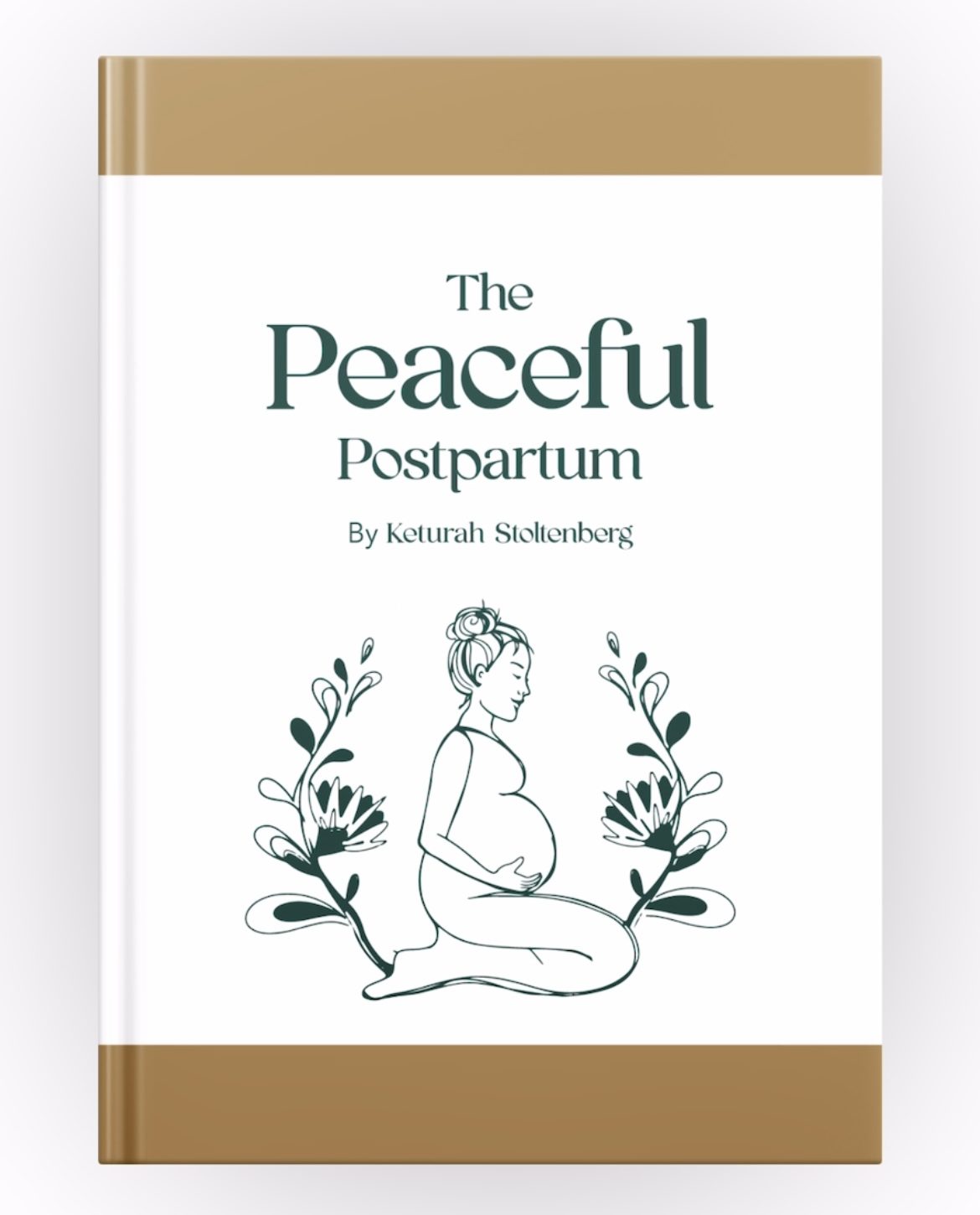
The Peaceful Postpartum by Keturah Stoltenberg
$47.00
Motherhood With Keturah
Introducing ‘The Peaceful Postpartum’ eBook, a 52-page, interactive guide to planning for a postpartum of rest, healing, nourishing food, and a supportive village.
You may also be interested in...




Fantastic Futures
Philippa; founder of Fantastic Futures and creator of The Family Architect brand.is a transformative birth and parenting coach, TRTP trauma therapist, experienced full-spectrum doula focused on Maternal Transitions, and mother of four based on the beautiful Sunshine Coast, Queensland.

Learn about the support you didn't know you needed.
We have cherry picked the most useful resources for your fourth trimester so that you don't have to waste precious hours searching.

Article - Louise Barton & Elisha Wildblood (Not Another Onesie)
How to Calm Your Nervous System During Stressful Times (Especially for Mothers)
When the world feels uncertain, your nervous system will naturally try to protect you. But safety doesn’t only come from everything being calm. It also comes from the small, steady moments you create, and the support you allow yourself to receive. You don’t have to carry it all on your own. And you were never meant to.

Article - Narelle Dickinson ( Lotus Health and Psychology)
Is This Normal? The Emotional Rollercoaster of Pregnancy and Motherhood.
Mental health during pregnancy and postpartum is something many mothers don’t expect to struggle with, but it's more common than we think. In this interview with Lotus Health and Psychology, we explore what perinatal mental health support really looks like, why anxiety is often overlooked, and how to take the first steps even when you feel like you’re running on empty. Whether you're expecting, newly postpartum, or years into motherhood, these insights might be the nudge you didn’t know you needed.

Article - Alice Mason (Align with Alice)
Finding Calm within the Chaos
This idea flips the script. Instead of seeing happiness, peace or calm as something that only exists in the future, tied to the achievement of a goal, it invites you to find joy and satisfaction in the present moment. It’s a reminder that your feelings aren’t just an outcome of a milestone, but they are a tool for creating it.

Article - Ana Ristov (Lively Lifestyle Psychology)
Conversations to Have With Your Partner Before Baby Arrives
Most people plan for birth with a detailed birth plan, but what about a postpartum care plan? Talking openly before your baby is born about expectations, responsibilities, and emotional support can make the adjustment smoother. From who’s doing the night feeds to how you’ll support each other through exhaustion, these conversations are essential for protecting your partnership, strengthening your mental health, and laying the foundation for a connected family.
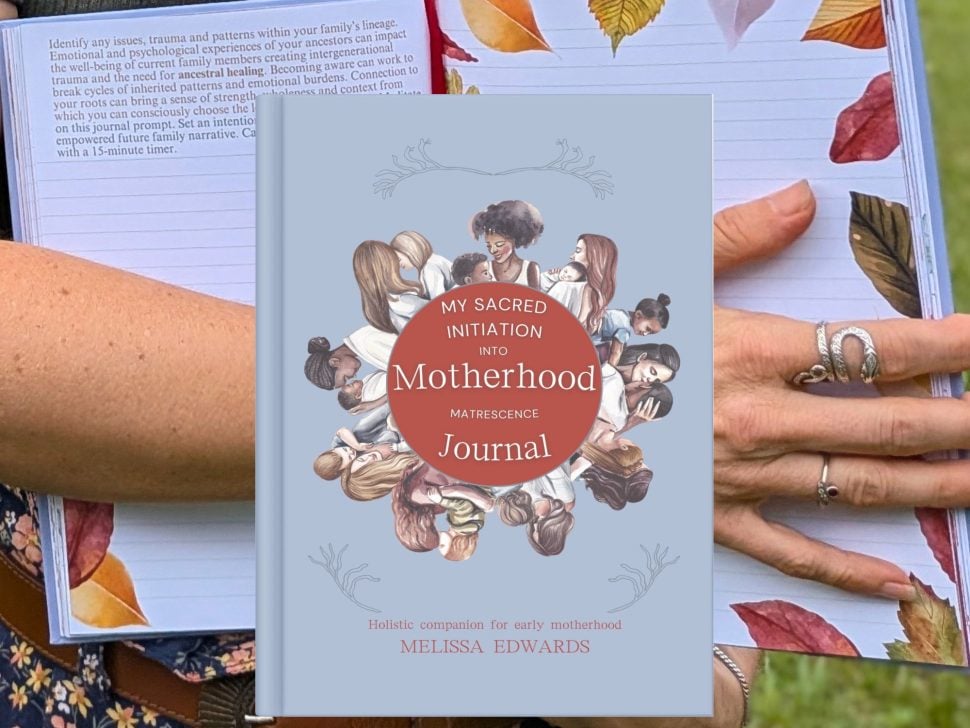
Article - Melissa Edwards (Motherwort and Child)
The Matrescence Continuum: Why Postpartum Support Shouldn’t Stop After Birth
Matrescence is the ongoing process of becoming a mother. It’s not limited to pregnancy or the early postpartum period. It continues through every stage of motherhood, shaping identity, relationships, emotional wellbeing, and the way a woman experiences herself in the world.