


About Little Movers Co
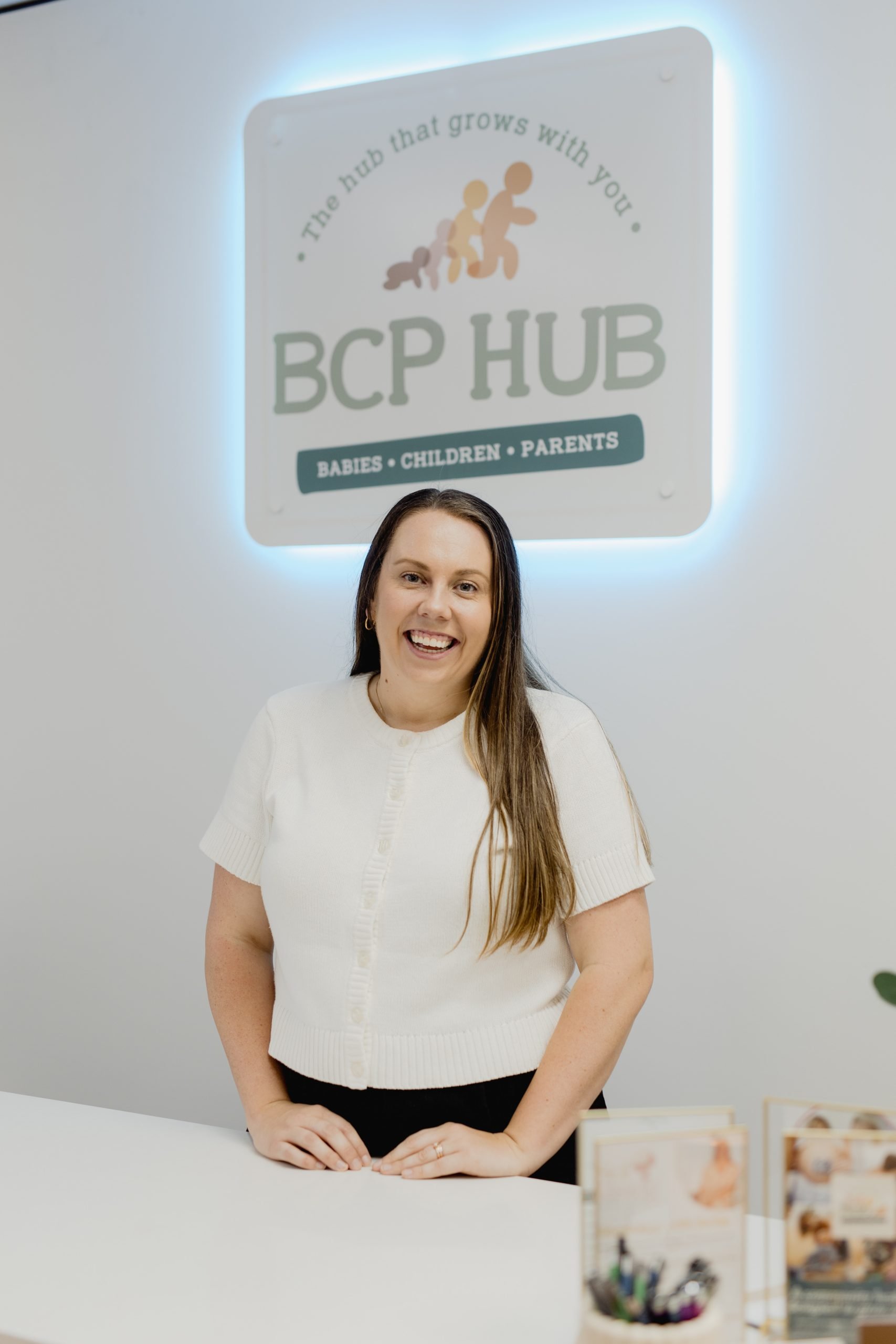
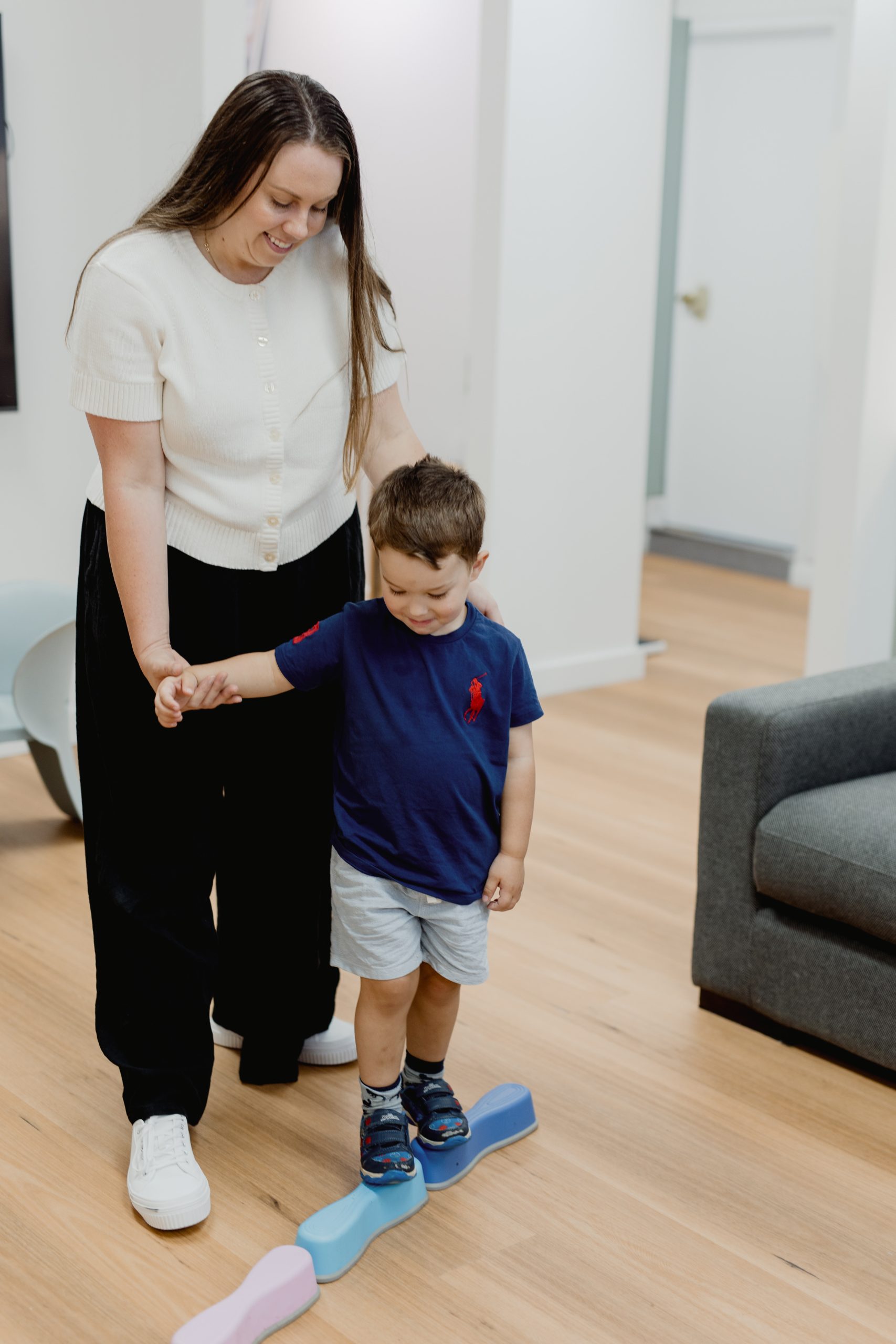
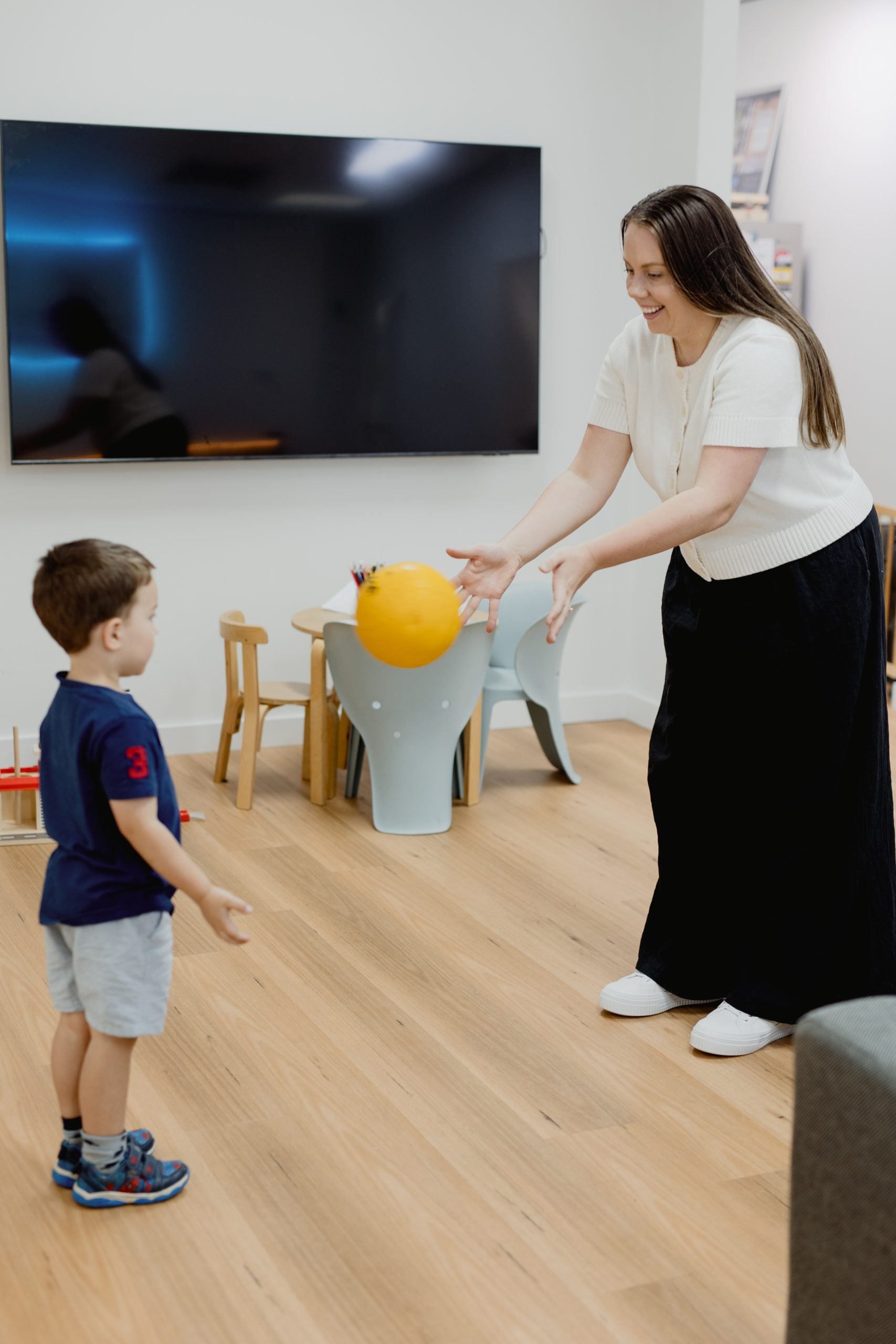
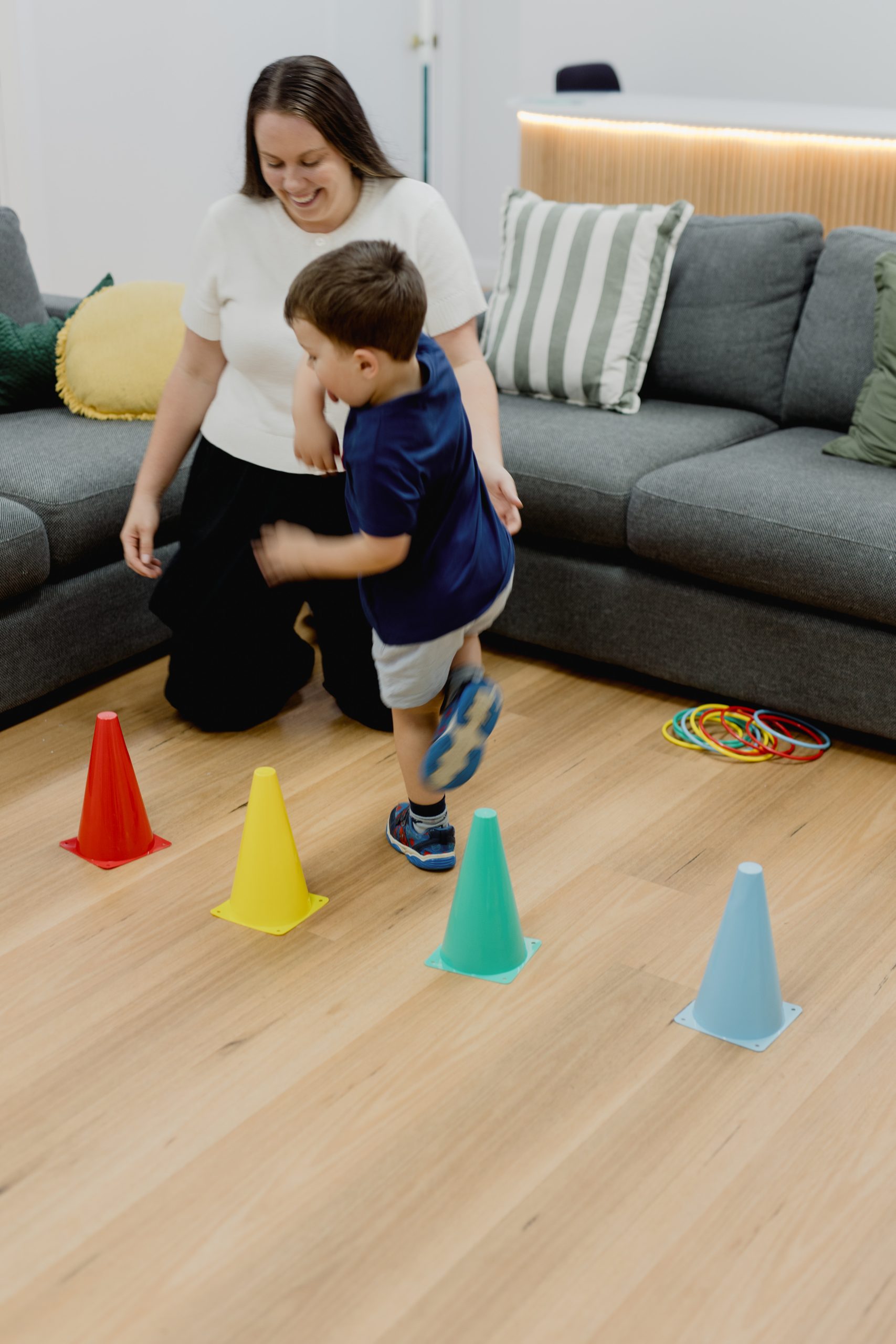
Hi, I’m Abbey — a kids physiotherapist passionate about supporting mums and their babies through those early stages of development.
I know how overwhelming it can feel when you’re unsure if your baby is on track, or when something just doesn’t seem quite right. My role is to provide gentle guidance, reassurance, and practical support so you feel confident in understanding and supporting your baby’s development.
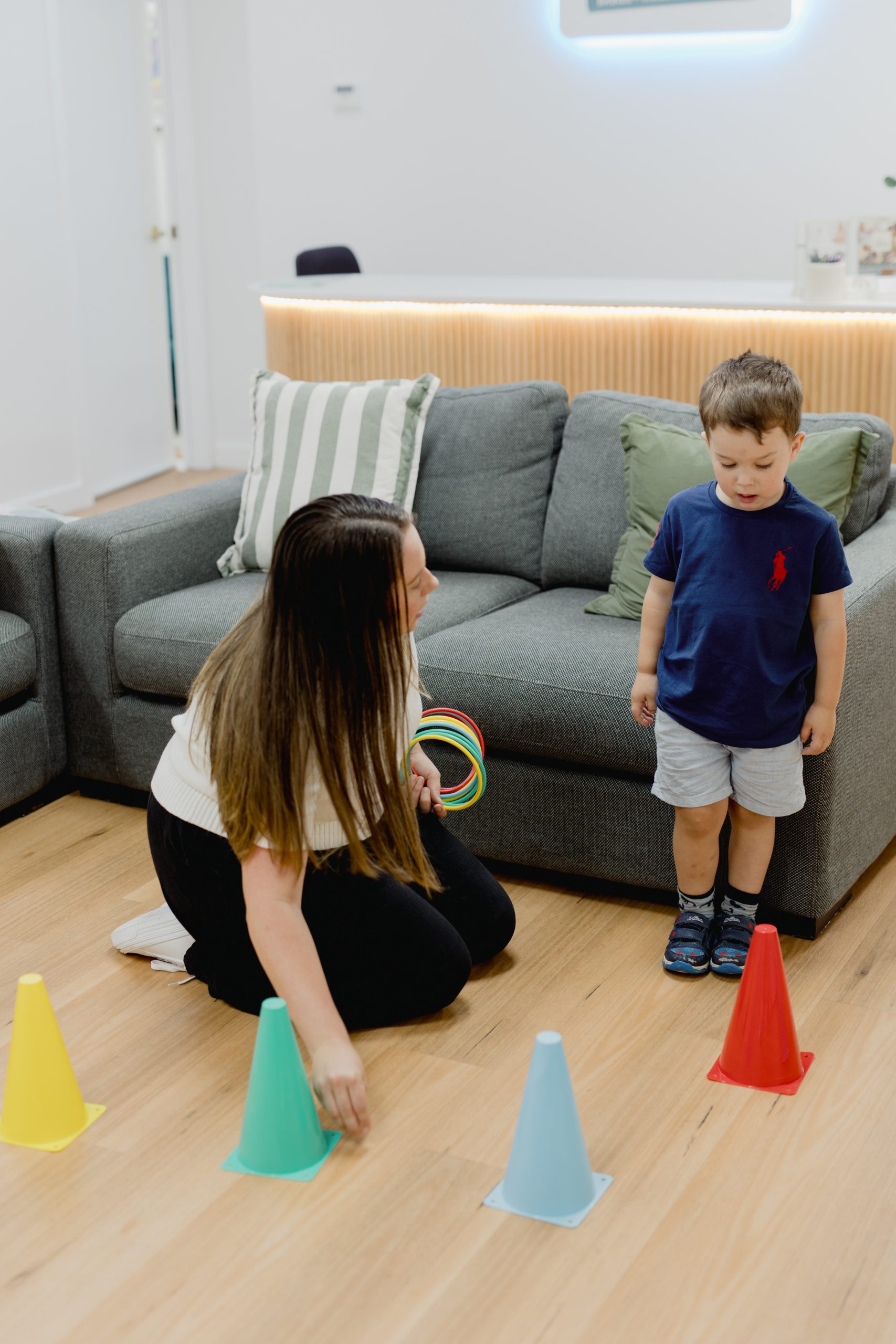
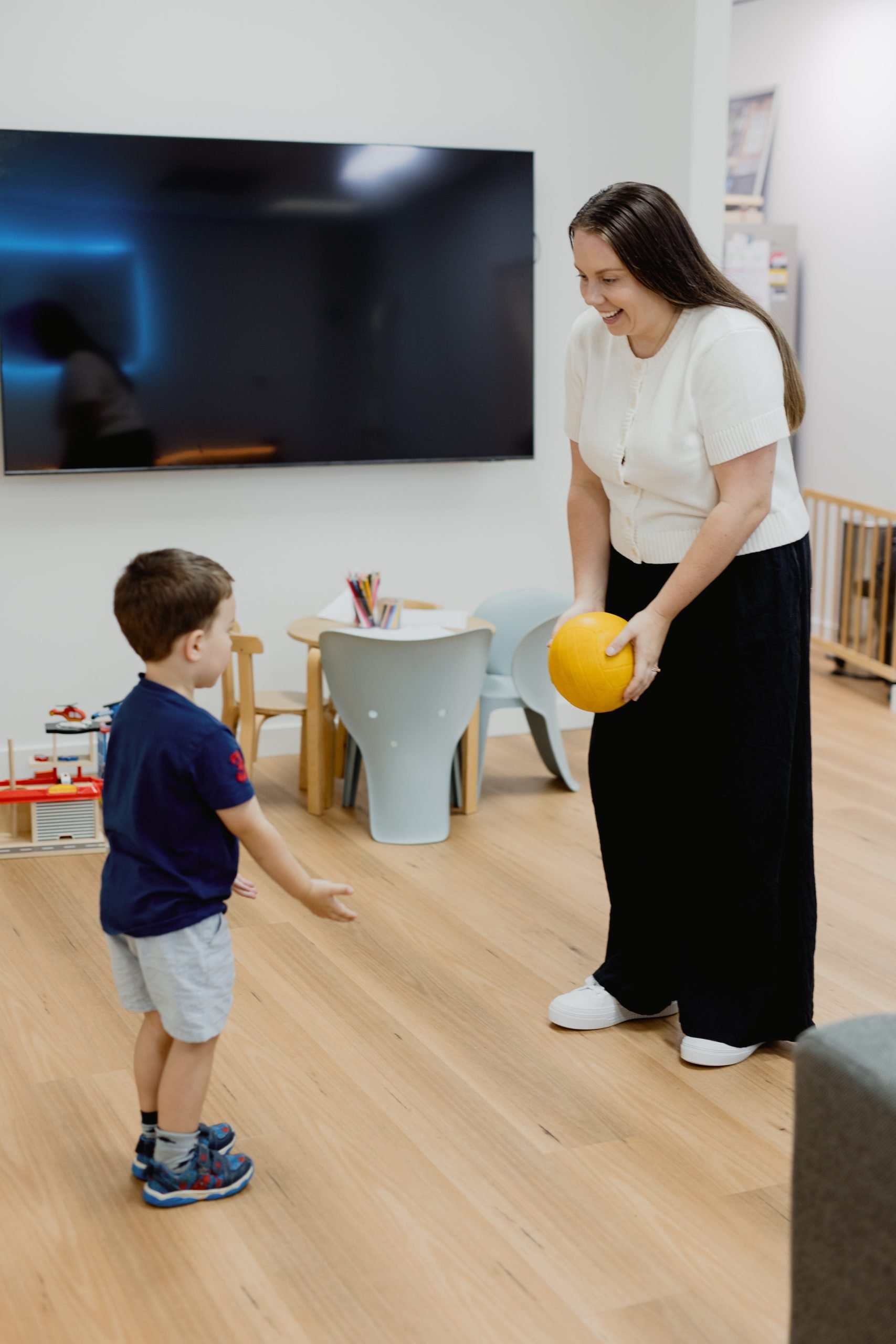
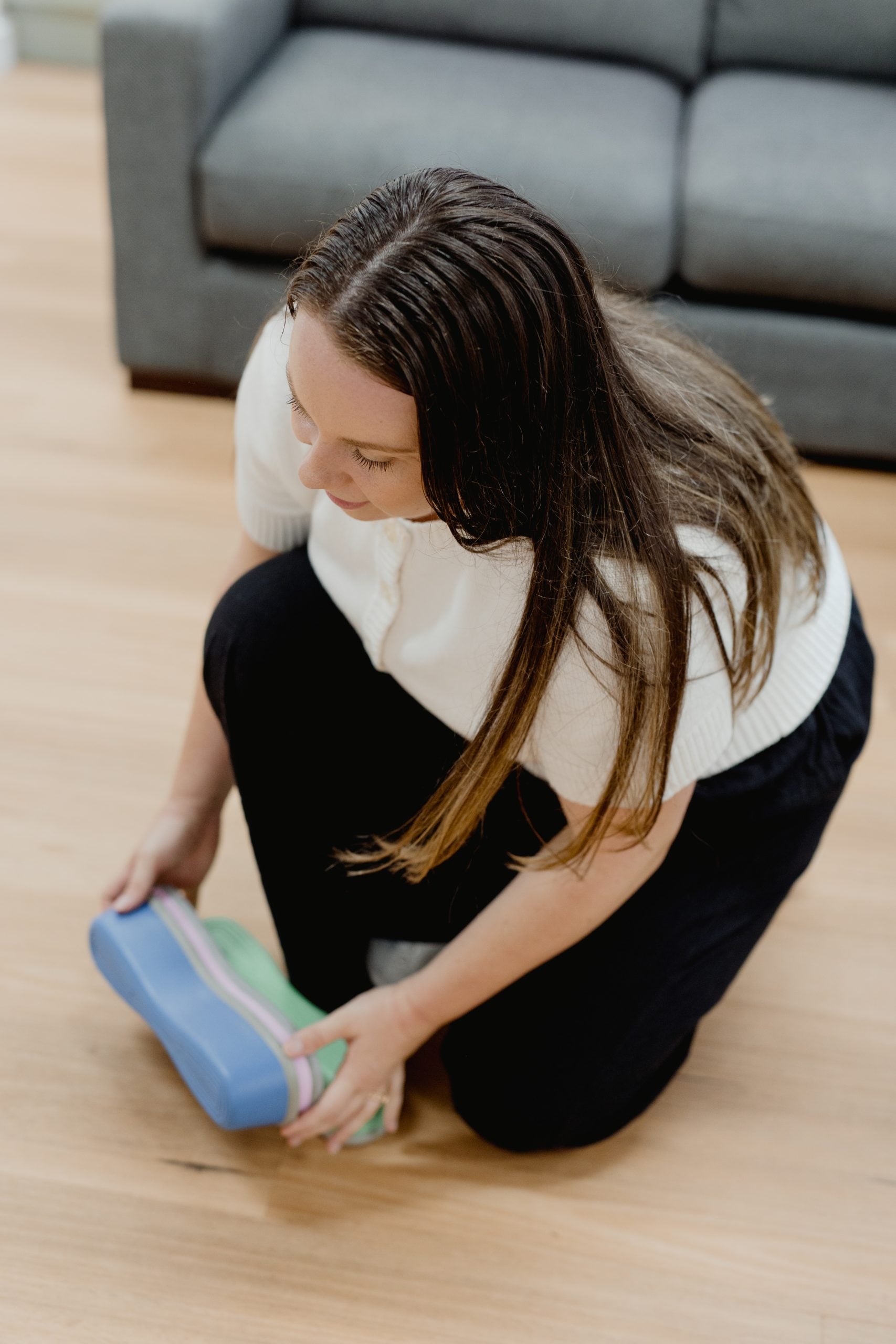
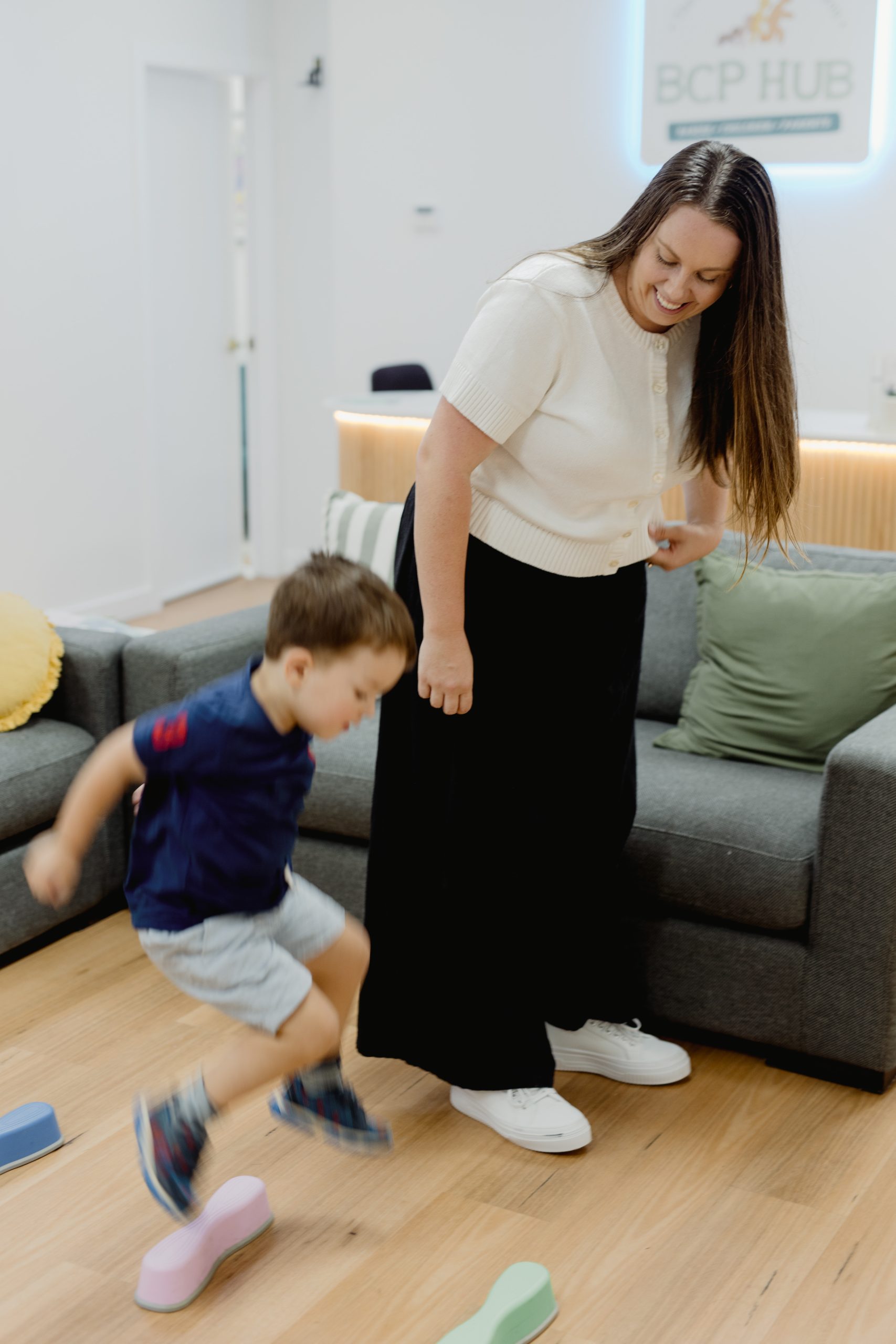
I offer family-focused, play-based physiotherapy for babies, helping with concerns such as torticollis, head shape preferences, feeding positions, and early motor development.
My sessions are designed to feel relaxed, supportive and achievable — using simple strategies that fit naturally into your everyday routines.
At the heart of my business is a strong focus on supporting not just your baby, but you as a mum. I’m here to listen, answer your questions, and walk alongside you with a clear plan so you feel supported every step of the way.
Whether you’re seeking reassurance or early intervention, I’m here to help you and your baby build strong foundations for movement, growth and confidence.
Areas of expertise
I have done extensive professional development and additional training in paediatric physiotherapy through the Australia Physiotherapy Association.
Company values
Accessibility
Diversity & Inclusion
Women Owned
You may also be interested in...

Nourish & Nurture Mother & Baby
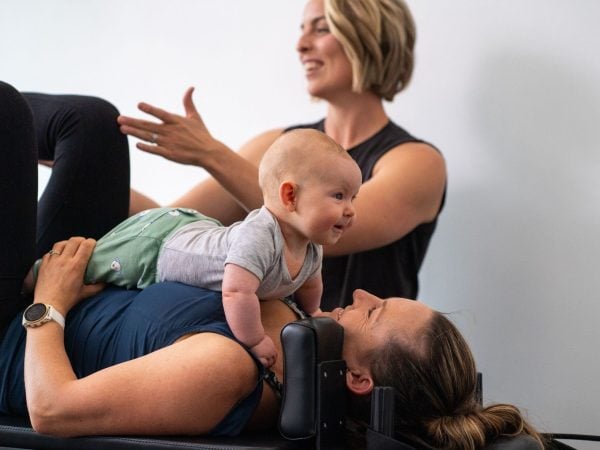
Nourish & Nurture postpartum support can include practical home help, meal preparation, debriefing your birth experience, providing a reassuring presence and listening ear, promoting and enabling self-care, enlisting your village and providing support with baby care including bathing, massage, feeding, sleep and settling.



Learn about the support you didn't know you needed.
We have cherry picked the most useful resources for your fourth trimester so that you don't have to waste precious hours searching.

Article - Louise Barton + Elisha Wildblood (Not Another Onesie)
How to Make a Postpartum Plan: Food, Rest, Recovery and Support
A postpartum plan helps you prepare for your own care alongside your baby’s needs. It brings together the food, rest, practical help and professional support that can make those early weeks more manageable. You don’t need to organise every moment. Start by thinking about what you might need and who can help.

Article - Louise Barton & Elisha Wildblood (Not Another Onesie)
Postpartum Support Australia: How to Plan Pregnancy, Birth & Fourth Trimester Care
The reality is this: while Australia has excellent maternity care, structured postpartum support in Australia is not automatically built into the system. And yet postpartum is when support matters most. This guide will show you how to organise pregnancy support, birth support services, and most importantly, proactive postpartum support in Australia, so you are not left navigating the fourth trimester alone.

Article - Louise Barton + Elisha Wildblood (Not Another Onesie)
Can You Trust ChatGPT for Pregnancy and Parenting Advice? What AI Can and Can’t Do for Mums
AI can explain, organise and reassure, but it can’t examine your baby, watch a feed or truly know your family. We asked experts from our village for their perspective on where AI helps, where it falls short and why human support still matters.

Article - Dr. Erin Hawken ( Home Chiropractic Studio)
Why Chiropractic Care for Pregnancy and Postpartum Could Be a Game-Changer
Chiropractors use specific techniques to help ease this physical load and support more comfortable movement patterns, all without drugs or invasive procedures. Care is always adapted for each individual, with your safety and comfort as the top priority.

Article - Rachael Iudica (The Mama Well)
What is Circle of Security Parenting (COSP)? A Parent’s Guide to Secure Attachment and Understanding Children’s Behaviour
The Circle of Security Parenting Program (COSP) is an evidence-based parenting program designed to strengthen the relationship between children and their caregivers by promoting secure attachment. COSP is essentially a tool that helps parents better understand the attachment needs driving their child's behaviour.