


The Growth Room


About The Growth Room
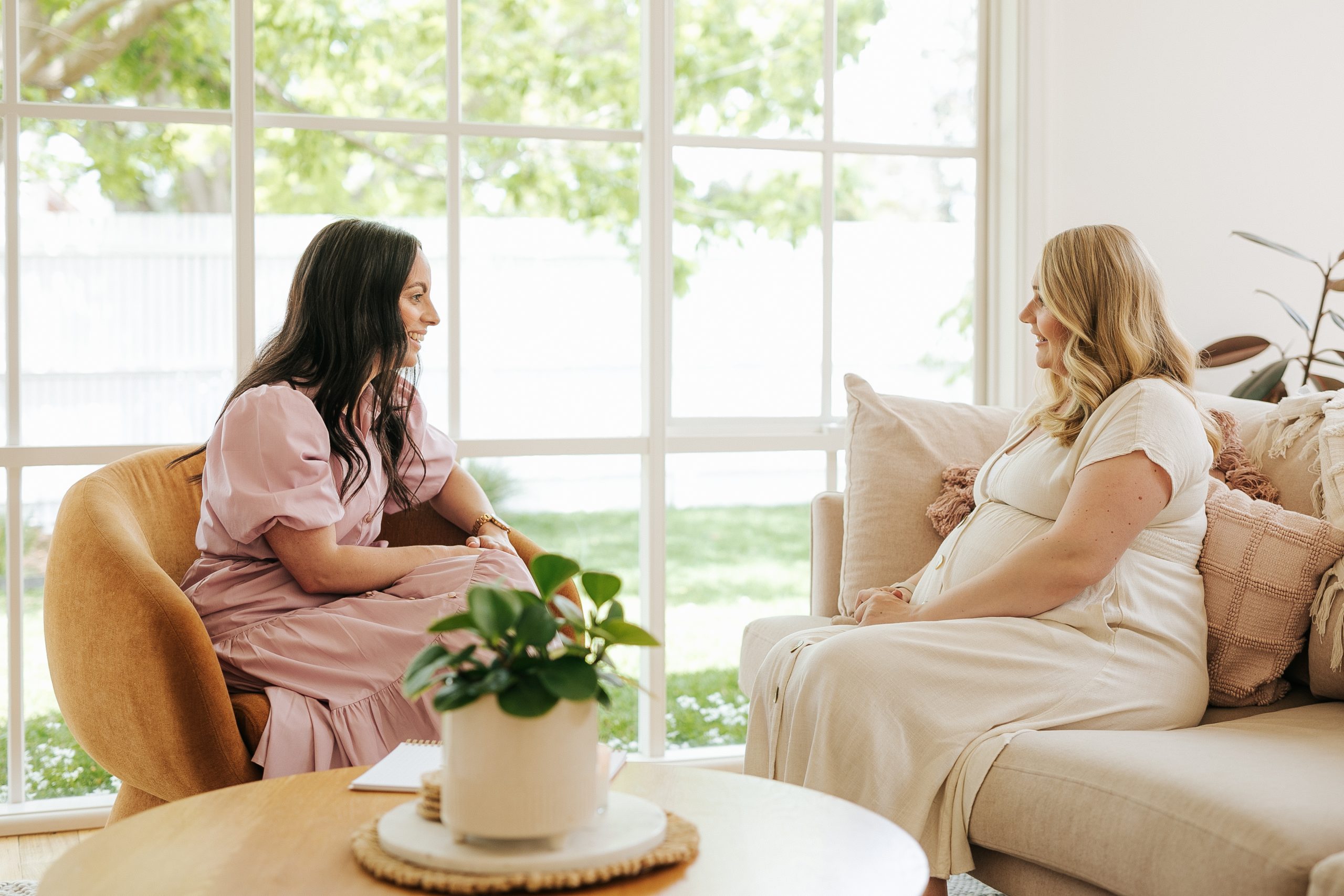
Hi, I am Angelina — a Clinical Perinatal Psychologist, HypnoBirthing Practitioner and Matrescence Educator. With a passion for women’s health and perinatal psychology, I recognise the perinatal period—from preconception through to parenthood—as a time filled with both immense wonder and incredible challenges.
I founded The Growth Room, a space inspired by my own transformative journey into motherhood, including my second pregnancy during the COVID-19 pandemic. My personal experiences of navigating motherhood, particularly in the face of isolation and uncertainty, deepened my understanding of the holistic support women need during this life stage. As a result, The Growth Room focuses on providing education, nurturing, and mental health support for women navigating the profound physical, emotional, and psychological changes of pregnancy and motherhood.
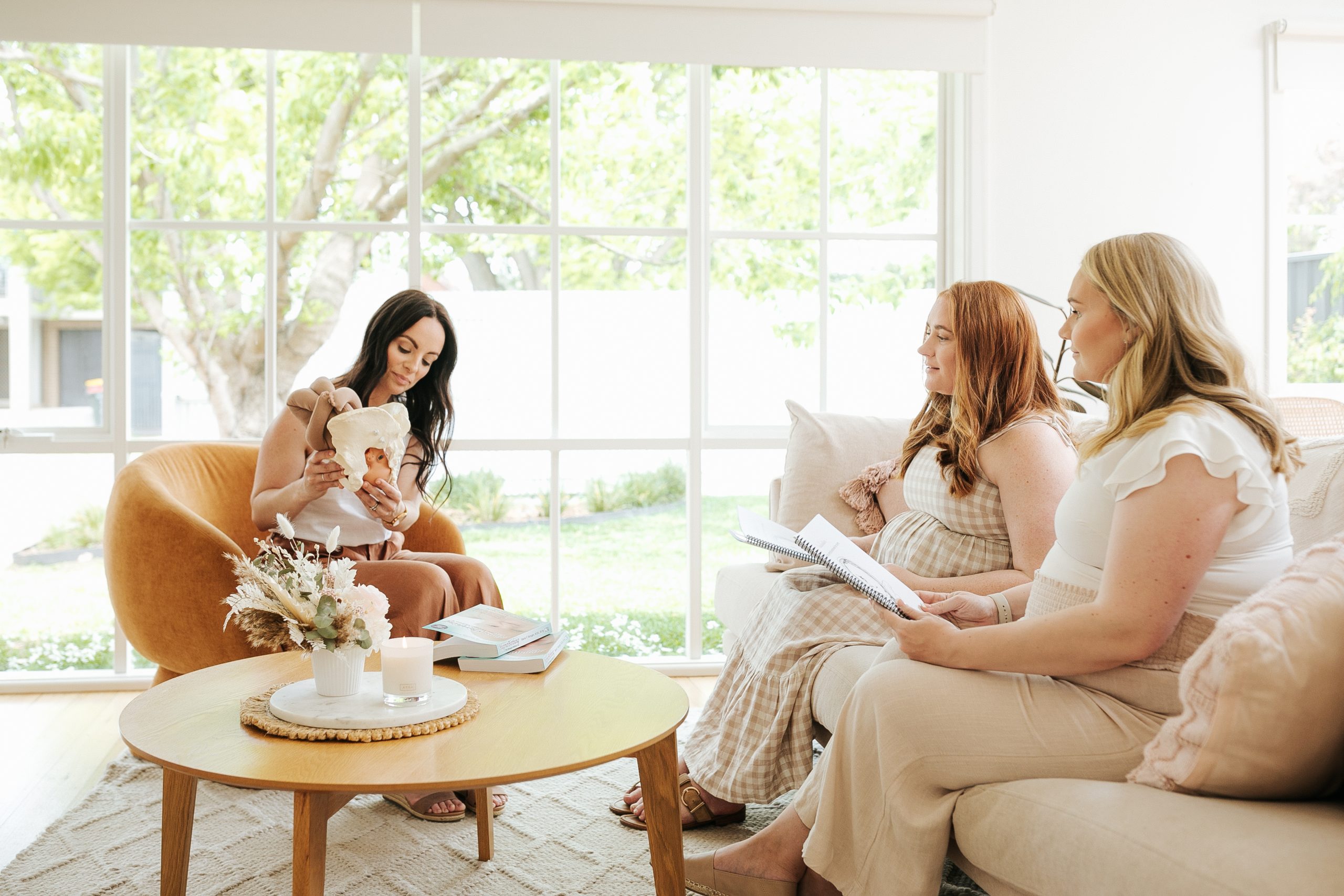
In addition to psychological therapy for women in the perinatal period, in which I adopt a strengths-based, collaborative therapeutic approach, The Growth Room also offers childbirth education through HypnoBirthing courses. These courses help expectant mothers and their partners feel empowered and prepared for birth through relaxation techniques, guided visualisations, and education.
The Growth Room focuses on acknowledging the emotional, mental, and physical changes that occur during pregnancy, birth, and motherhood, creating a nurturing environment where women can access both therapeutic support and practical tools like HypnoBirthing to foster a supported transition to motherhood.
At The Growth Room we are passionate about creating a therapeutic space where women can feel empowered, reflect on their experiences, and grow in confidence as they navigate pregnancy, birth and motherhood.
Areas of expertise
- Clinical Psychology
- Perinatal Mental Health
- Matrescence Education
- Birth Education
Company values
Women Owned
Get in touch
- Melbourne Vic
- Melbourne East Vic
- Melbourne North Vic
Need assistance gathering your village?
Book a ConsultYou may also be interested in...


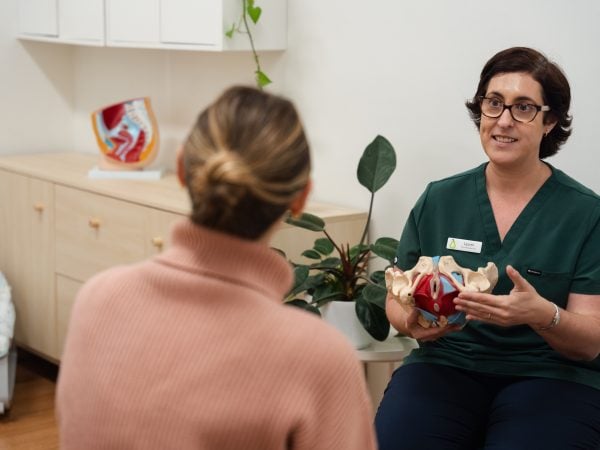







Learn about the support you didn't know you needed.
We have cherry picked the most useful resources for your fourth trimester so that you don't have to waste precious hours searching.

Article - Jackie Gorman (Nurture By Touch)
Jamu Postnatal Massage: The Nurturing Tradition Every New Mother Should Experience For Deep Recovery
This is truly special to witness; it's a real privilege. As I’m within the sanctuary of the family's home for up to 4 weeks, you subtly and gratefully become part of the furniture, quietly and respectfully. So as the days pass through this ancient lineage of care, you see things shift physically, which is pure biology to me, but also her smile changes as you walk through the door, her eyes are more vibrant and her skin colour changes

Article - Courtney Wilton (Nourished Psychology)
When and How to Seek Mental Health Support as a Mum
Discover the early signs of postpartum distress that often go unnoticed and learn when and how mothers should seek mental health support. From baby blues vs. depression to finding the right therapist.

Article - Louise Barton & Elisha Wildblood (Not Another Onesie)
Motherhood & Friendships – Why Everything Feels Different & How to Navigate the Change
The shift in friendships after having a baby is real, and it’s something almost every mother experiences. Let’s dive into why friendships change after motherhood, how to navigate the emotional shifts, and ways to find a new support system that actually fits your life as a mum.

Article - Elise Clement (Elise Clement Psychotherapy & Coaching)
Tips to avoid maternal burnout
Perfectionism is not a healthy habit. Even less so when it comes to motherhood, unless you’re keen to rub shoulders with overwhelm, resentment, rage and the feeling of never being satisfied, which can eventually lead to maternal burnout.

Article - Leonie Lindenbergh-Poot (Love Through Loss Doula)
Helping Children Navigate Grief
Children experience grief differently than adults. They may not have the words to express their feelings, so they show them in other ways—through tears, anger, or even unexpected silliness. Some days, they may seem perfectly fine, and the next, a wave of sadness can hit them out of nowhere. It’s all part of how they process the big feelings they don’t fully understand yet.