

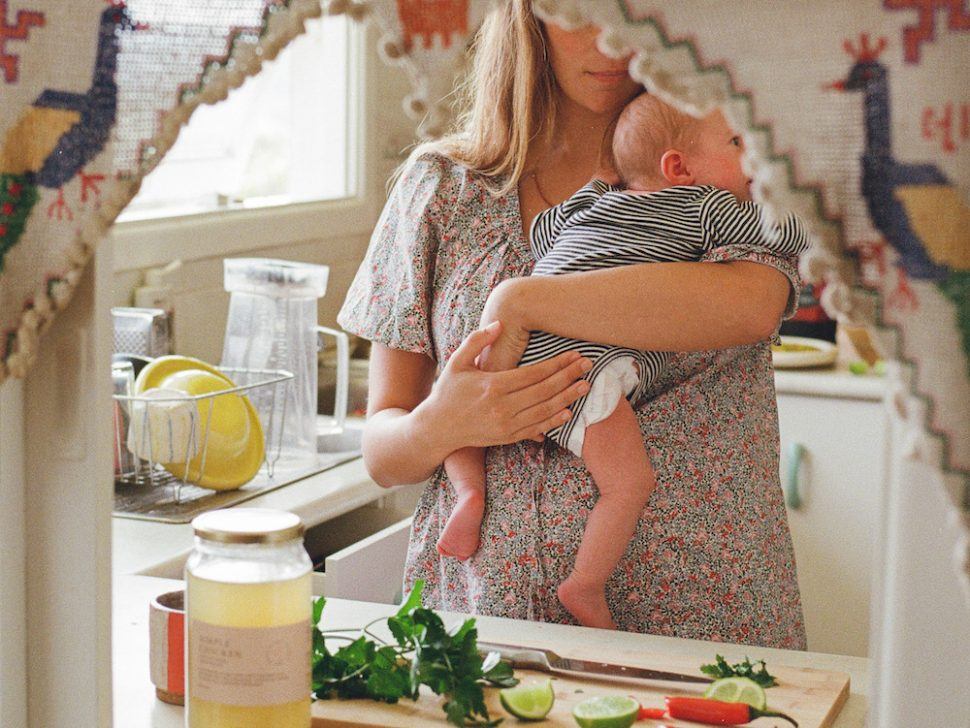
During birth and in the weeks postpartum, you will experience some blood loss.
Firstly during labour and then in what is referred to as lochia, the cleansing of the uterus and bleeding following birth.
Along with the blood loss is a huge loss of vital nutrients making replenishment with nutrient dense foods a priority of postpartum care.
Food Focus
- The foods that are most supportive of building blood due to their warming nature and high nutrient value are:
- beef, chicken and eggs
- seafood
- cooked greens and dark leafy greens
- soaked legumes
- activated nuts and seeds
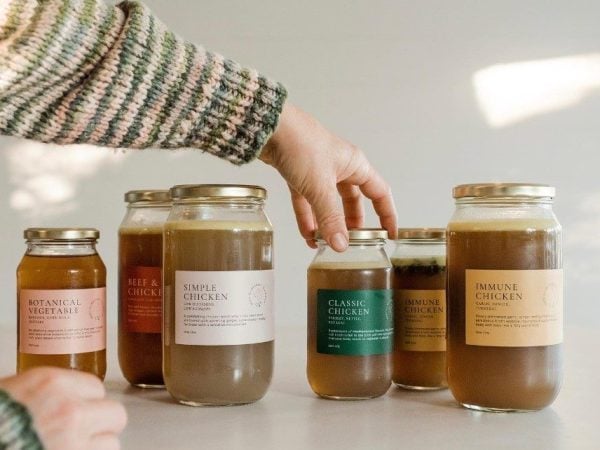
- broths, soups and stews
- Iron rich foods
- red meat, offal
- dark poultry meat, liver
- clams, oysters, mussels
- soybeans, tofu, tempeh
- legumes: lentils, quinoa, kidney beans, chickpeas and black eyed peas
- chard, spinach cooked
- beet greens cooked
- cashews, sunflower seeds
- dried figs, dried apricots
- Folate rich foods
- brewers yeast
- legumes: black eyed peas, soy beans, kidney beans, mung beans lima beans, navy beans, garbanzo beans and lentils
- beef liver
- walnuts
- spinach
- kale
- asparagus
- B12 rich foods
- red meat
- offal
- chicken
- chicken liver
- clams, oysters, mussels
- fish
- eggs
- cheese
fermented foods

Fill the Freezer - recipes to gift or make ahead
Whether you’re preparing for your own postpartum, showing love to a new mum, or simply wanting to make everyday life a little easier, food is one of the most nourishing gifts we can give. This recipe collection has been created with you in mind: quick to make, freezer-friendly, and packed with ingredients that fuel tired bodies and busy minds. Each one can be baked ahead of time for yourself or wrapped up and given as a thoughtful gift. Includes 6 recipes, a shopping list and a plan to get them all prepped and ready in one go.
You may also be interested in...




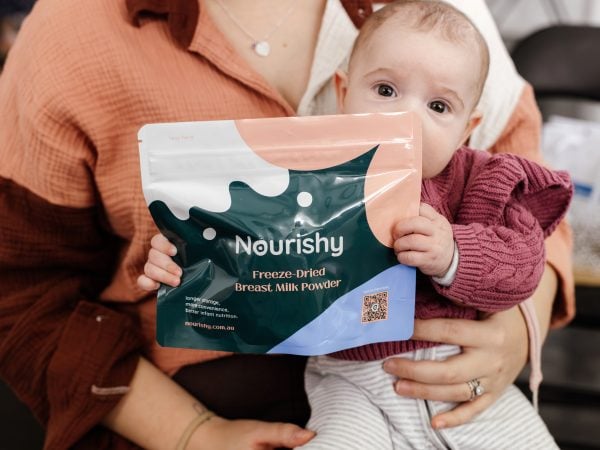

Nourishy
Cass — a mum of three and the founder of Nourishy. knows firsthand the challenges of expressing breast milk, navigating returning to work, travelling with a frozen stash, or simply wanting to make sure every drop of our “liquid gold” is used. That’s why she created Nourishy: to give families a safe, science-backed way to preserve their breast milk for the long term.
Learn about the support you didn't know you needed.
We have cherry picked the most useful resources for your fourth trimester so that you don't have to waste precious hours searching.


eBook - Louise Barton & Elisha Wildblood (Not Another Onesie)
‘Fill The Freezer’ – Recipes to gift or make ahead for yourself
This recipe collection has been created with you in mind: quick to make, freezer-friendly, and packed with ingredients that fuel tired bodies and busy minds. Each one can be baked ahead of time for yourself or wrapped up and given as a thoughtful gift.
Article - Louise Barton + Elisha Wildblood (Not Another Onesie)
Not Sure What You Need After Baby Arrives? Start Here
The truth is, most mums aren’t told how to prepare for the fourth trimester, the raw, tender, and transformative time after birth. You might feel sore, sleep-deprived, disconnected, or emotionally all over the place. And that’s completely normal. But it doesn’t mean you have to go through it alone. This blog is your gentle starting point, a guide to the kinds of support you may need (and deserve) after baby arrives.

Article - Mikaela Duffy ( Naturopath & Bodywork)
Understanding Postpartum Depletion: Signs, Causes and How to Recover
For many mothers across Australia, recognising postpartum depletion can be the first step toward finding the right support and beginning the journey back to feeling like themselves again.

Article - Kirsten Hannan (Kirsten Hannan Osteopath & IBCLC Sydney)
Breastfeeding Difficulties: How Osteopathy and Lactation Support Can Help Mothers and Babies
Alongside my Master's degree in Osteopathy, I am also an International Board Certified Lactation Consultant (IBCLC), allowing me to combine gentle hands-on care with evidence-based breastfeeding assessment and support. In this article, I'll explain how physical factors may contribute to breastfeeding difficulties, when osteopathic assessment may be appropriate, and why a collaborative approach can help support both mothers and babies.