

Mum Economy: Rethinking Flexible Work for Mums and Rebuilding the Modern Village

For many Australian mothers, returning to work after having a baby isn’t simply a question of whether they want to work. It’s whether work can actually fit around the realities of family life. Mum Economy founder Katherine believes the problem isn’t mothers’ capability, it’s the way traditional work is structured around availability.
School drop-offs. Childcare. Sick days. Nap times. Partners working away. The mental load. The sheer logistics of making family life work.
For many mums, these realities can make the traditional nine-to-five working model incredibly difficult — even when they have years of experience, valuable skills and a genuine desire to work.
It’s a problem Mum Economy founder Katherine knows firsthand.
After more than a decade working in clinical embryology, becoming a mother fundamentally changed what was possible within her working life. Her experience eventually led her to create Mum Economy: a platform designed to connect mothers seeking flexible work with families and businesses with work to be done.
At the heart of it is one simple idea:
“Motherhood does not reduce capability. It changes availability.”
We spoke with Katherine about the story behind Mum Economy, why traditional employment can fail mothers, the economic value sitting outside conventional working hours and her vision for rebuilding the village modern life forgot.
From Clinical Embryologist to Founder of Mum Economy
Katherine’s path to creating a flexible work platform for mothers was not an obvious one.
“I’m Katherine, the founder of Mum Economy. My background is probably not the obvious pathway into building a platform for flexible work. I trained in biomedical science and spent more than a decade working in clinical embryology, including laboratory management roles in IVF.”
Then she became a mum.
“When I became a mum, everything changed. I had a child with high needs, my partner frequently worked away, and the demands of my job became increasingly difficult to reconcile with what my family needed from me.”
Her work required her to regularly be on call, including over Christmas and birthdays, and sometimes return to the laboratory late at night because of an alarm.
“On one occasion, with my partner away, I had no choice but to take my newborn into the lab with me. I remember thinking how completely unsustainable and, frankly, unsafe that situation felt.”
During this period, Katherine was also made redundant while on maternity leave.
Working in such a specialised field meant finding another suitable position wasn’t straightforward. What she needed at the time wasn’t necessarily another conventional career role. She needed a way to earn money that could work around the life she was actually living.
“What I needed in that period was something to tide me over financially. I would have happily taken on all kinds of smaller jobs or practical work if there had been an easy way to find them.”
When Returning to Work After Motherhood Doesn’t Fit
Katherine initially thought changing industries might solve the problem.
She returned to university as a mature-aged student, completed postgraduate study in Occupational Health and Safety and then a Master of Health, Safety and Environment with Distinction.
“I genuinely believed that moving into a broader profession would create more flexibility and more opportunity.
“But what I discovered was that the problem was not embryology. It was much bigger than that.”
Despite her qualifications, leadership experience and professional background, one factor suddenly had the potential to outweigh everything else: availability.
“I could still do the work. I just could not always do it within the hours employers expected.”
It was an experience that changed the way Katherine thought about mothers returning to work.
“I started to see how often mothers are assessed through the lens of when they are available rather than what they are capable of. The phrase that kept coming back to me was: availability doesn’t change capability.”
The Problem With Traditional Work for Mums
For Katherine, there wasn’t one dramatic moment when she realised the traditional working model wasn’t serving many mothers.
Instead, there were dozens of smaller ones.
“I had spent years building qualifications and professional experience, yet after becoming a mum I found myself assessing jobs almost backwards.”
Before considering whether she was interested in or qualified for a position, she was looking at the hours.
“Could I do school drop-off? Could I make pickup? Was there flexibility if my child was sick? Would ‘part time’ actually mean three full office days that still required full-time childcare? Would asking for school hours immediately make me look less serious or ambitious?”
Once she started noticing the disconnect, Katherine says she saw it everywhere.
“There are incredibly capable women who are excluded from opportunities not because of a skills gap, but because of an availability mismatch.”
At the same time, there are employers struggling to find good people while continuing to design roles around rigid expectations about when and where work must happen.
“That was the contradiction that stayed with me.”
Not Every Mum Is Looking for a Traditional Job
Another important realisation was that returning to work after having a baby doesn’t look the same for every woman.
“Some want a few hours of meaningful work a week. Some want to maintain professional skills while their children are young. Some need extra household income. Some want to gradually build back toward a career. Others genuinely enjoy practical work that can be done locally and flexibly.”
Yet traditional employment tends to treat these circumstances as exceptions.
“I started wondering what would happen if we built something around them instead.”
That question became Mum Economy.
What Is Mum Economy?
Mum Economy is designed to connect mothers who want to earn with households, small businesses and organisations that have work they need completed.
The aim is simple: make the work fit around the person rather than expecting the person to reorganise their entire life around the work.
Mums can join Mum Economy for free and look through opportunities posted by households, businesses or organisations. They decide which opportunities suit their skills, location and availability.
“That might mean someone only wants work between school drop-off and pickup. Another mum might be available one day a week. Someone with a baby might prefer work she can complete remotely or in smaller blocks. Another person may be available in the evenings or on weekends when a partner is home.”
There is no expectation that joining means committing to a set number of hours.
“That flexibility is fundamental to the platform.”
For one mum, an extra $100 or $200 from a handful of jobs during the month could make a meaningful difference. For another, it might provide a pathway towards regular school-hours work or a longer-term professional opportunity.
“It is designed to accommodate different seasons of motherhood rather than assuming everybody wants the same version of work.”
What Kind of Flexible Work Can Mums Find?
One of the strengths of the concept is that opportunities don’t have to fit neatly into traditional job descriptions.
“We see practical household jobs such as gardening, pet care, pickups and errands, organising and general household assistance.”
Businesses can also post opportunities involving:
- administration
- packing orders
- event support
- marketing
- social media
- customer service
- flexible operational support.
There can also be more structured opportunities, including school-hours household support and flexible positions with local businesses and organisations.
The work can range from a one-off task to casual work or ongoing part-time support.
“A job does not have to become a permanent role with fixed hours to be economically meaningful. A small business might need somebody for five hours this week. A family might need help with something that has been sitting on their to-do list for three months. A mum may have exactly five hours available.
“Mum Economy is about making that match possible.”
Recognising the Skills Mothers Already Have
One of Katherine’s biggest motivations is changing the way we think about women’s skills after motherhood.
“A woman can have ten or twenty years of experience in administration, finance, marketing, project management, healthcare, events or operations, but if she has stepped away from full-time work for several years, the labour market can start treating that experience as though it has somehow expired.”
Motherhood itself can also involve significant organisation, logistics, negotiation, problem solving, scheduling, budgeting, prioritisation and adaptability.
Katherine is careful, however, not to suggest parenting automatically translates into professional qualifications.
“I do not think we need to romanticise motherhood or pretend that parenting is automatically a professional qualification. But we should recognise that women do not suddenly lose everything they knew before they had children.”
That philosophy shapes how Mum Economy approaches skills.
“Mum Economy is deliberately built around the idea of capability rather than a perfect résumé.”
A mum might have years of formal professional expertise. Another might be brilliant at organising cupboards, gardening, packing orders, walking dogs, sewing, cooking or helping another family get through an overwhelming week.
“Both can have economic value.
“The question becomes less ‘What job title do you currently hold?’ and more ‘What can you do, when are you available, and does somebody nearby need that?’”
You Don’t Necessarily Need Formal Qualifications
Not every opportunity on Mum Economy requires formal qualifications or recent professional experience.
“There is space for both.”
Some work will naturally require specific qualifications, licences, experience or checks, and those requirements should be clearly identified by the person posting the work.
“But many jobs simply require someone competent, reliable and willing to help, proving that practical capabilities have value.”
For Katherine, this is another assumption worth challenging.
“There are thousands of useful things people know how to do that someone else is willing to pay for.”
Helping Families Reduce the Mental Load
Mum Economy isn’t only about flexible jobs for mums.
The other side of the platform is helping families find practical support.
Katherine describes it simply: think about all the things sitting on your mental to-do list that you keep meaning to get around to.
“It might be gardening, organising cupboards, selling unwanted items online, picking something up from Marketplace, walking the dog, packing for a move, helping with errands, preparing food, sorting a garage or assisting with a household project.”
These are often not jobs that require a traditional service provider.
“They simply need another capable pair of hands.”
And that can have an impact beyond getting a task completed.
“The mental load is often made up of hundreds of small unfinished things. None of them individually seems significant enough to justify getting help, but collectively they create enormous pressure.”
The washing needs folding. The garden is overgrown. Something needs collecting across town. The dog needs exercising.
“Those tasks sit in the background of somebody’s brain all day.”
Katherine wants to challenge the idea that mothers should only ask for practical help once they reach breaking point.
“We are very comfortable outsourcing certain things. People hire electricians, cleaners and accountants without feeling they have somehow failed at adulthood. But there is still an odd reluctance around asking for help with ordinary life.”
One Mother’s To-Do List Could Become Another Mother’s Income
This is where the Mum Economy model becomes particularly interesting.
“If Mum Economy can make it normal to say, ‘I have too much on my plate and I’m going to pay another mum $50 to take this job off it,’ that can be incredibly powerful.”
Because the transaction does two things simultaneously.
“The money is then creating an opportunity for another woman. The same transaction can reduce one mother’s load while increasing another mother’s income.”
For Katherine, that circularity is an important part of the model.
A Different Way for Small Businesses to Find Flexible Support
Small businesses are another important part of the Mum Economy vision.
They often have genuine work that needs completing without having enough work to justify hiring another conventional employee.
“A business owner might need someone for four hours a week of administration, help packing orders during busy periods, social media support etc. Traditionally, they might either try to do it themselves or decide they cannot justify hiring someone.”
Meanwhile, a highly experienced mum living ten minutes away may be looking for exactly four hours of school-hours work.
“That is exactly the kind of mismatch we are trying to solve.”
Katherine wants businesses to start with the work itself rather than automatically designing a conventional role.
“What actually needs doing? How many hours does it really require? Does it need to happen at 8am? Does the person need to be in the office every day? Could the work be divided differently?”
“Once businesses start asking those questions, a much broader talent pool becomes available.”
What Does a Successful Mum Economy Match Look Like?
For Katherine, success doesn’t necessarily mean transforming someone’s career.
Imagine a local business owner spending every Thursday afternoon packing customer orders. It has to be done, but it takes the owner away from the work only they can do.
They post the opportunity.
A mum nearby has children at school and is available from 10am until 2pm on Thursdays. She doesn’t want a full-time position, but she would like some regular income and enjoys practical work.
They connect.
“The business owner gets four hours back. The mum earns income during hours that genuinely suit her family.”
Over time, she might take on additional responsibilities. Or the arrangement may simply remain four hours every Thursday.
“That is success to me. It does not need to become a career transformation story.
“Sometimes good work is simply the right work, for the right person, at the right time.”
How Mum Economy Works
Katherine has intentionally tried to make the process straightforward.
Mums can join the platform for free and explore opportunities available in their area.
Households or businesses needing help can post the work they need completed, including details about the task, location, timing and payment.
Interested mums can respond and the two parties then connect directly to discuss the details and decide whether the arrangement is right for them.
“Mum Economy facilitates that connection rather than operating like a traditional labour hire agency. That distinction matters because we want people to retain flexibility and autonomy over the arrangements they make.”
The platform is still growing, with its strongest concentration currently in Brisbane.
Katherine sees building strong local networks as more important than chasing numbers for their own sake.
“I would rather build genuinely useful communities in particular areas than have thousands of members spread so thinly across Australia that nobody ever sees a job nearby.”
Keeping Flexible Work Safe and Respectful
Trust is fundamental to the platform.
“Trust is critical to a platform like Mum Economy, so we are very conscious that growth cannot come at the expense of safety.”
Because Mum Economy facilitates connections rather than acting as an employer or labour hire agency, individuals ultimately decide whether an opportunity or person is right for them.
Users are encouraged to be clear about the work, payment, timing and expectations before work begins and communicate openly if circumstances change.
“People should never feel pressured into an arrangement that makes them uncomfortable.”
Where work requires qualifications, licences, insurance, checks or professional registrations, Katherine says those requirements should be identified and appropriately verified by the people entering the arrangement.
“As the platform grows, building strong community standards and trust systems will remain a priority. I want Mum Economy to feel flexible and easy to use, but never casual about people’s safety or rights.”
Rebuilding the Village Modern Life Forgot
There is another layer to Katherine’s vision for Mum Economy.
It is about rebuilding some of the practical community connection many families feel they have lost.
“When people talk about ‘the village’, they are usually talking about something that used to happen almost automatically.”
Families lived closer together. People knew their neighbours. Informal support networks meant someone could pick something up, lend a hand, pass something on or help solve a small problem.
Modern family life looks very different.
“Families are geographically dispersed, many households have two working parents, communities are more transient and a lot of the invisible support that once existed has disappeared.”
Yet we are more digitally connected than ever.
“The idea behind the Village is to use that digital connection to recreate some of the practical usefulness of a local community.”
As Mum Economy develops its Village feature, the aim is to allow mums to connect around useful local needs and opportunities beyond employment alone.
“I want it to become infrastructure for local participation.”
For Katherine, rebuilding the village isn’t about romanticising the past.
“A modern village does not mean pretending we can recreate life from fifty years ago. It means asking what people actually need now and designing systems that help neighbours, families, businesses and mothers support each other in ways that fit contemporary life.”
And importantly:
“For me, the most important thing is that the ‘village’ is practical. It is not just a nice idea about community. It should genuinely make someone’s day easier.”
A Bigger Vision for Flexible Work for Australian Mothers
Katherine would ultimately like Mum Economy to become something families, businesses and mothers naturally know they can turn to.
“If you need flexible work, you know you can look there. If your family is overwhelmed and you need another pair of hands, you know you can post there. If you run a small business and have ten hours of work but not a traditional role, you know there are experienced people nearby who may be looking for exactly that opportunity.”
But the bigger ambition is cultural.
“I want us to stop treating mothers as a workforce problem that needs to be ‘accommodated’.”
Katherine believes childcare is part of the answer to improving women’s workforce participation — but it cannot be the only answer.
“Not every family wants five long days of care. Not every job actually needs someone from nine to five. Not every valuable piece of work needs to become a permanent role. Not every mother wants to return to the exact working pattern she had before children.
“There should be more pathways.”
And that perhaps best captures what Mum Economy is trying to create: not one prescribed version of what work after motherhood should look like, but more genuine options.
“If Mum Economy grows the way I hope it will, I would like it to demonstrate that there is significant economic value sitting in the gaps of the traditional labour market.”
Ultimately, Katherine hopes for something even bigger.
“I would love Mum Economy to contribute to a future where a woman does not have to explain away the years she spent caring, apologise for needing school hours, or choose between using her capabilities and being the kind of parent she wants to be.
“That would be a very meaningful change.”
Find Out More About Mum Economy
Whether you’re a mum looking for flexible work that fits around family life, a household needing an extra pair of hands, or a small business looking for experienced support without creating a traditional nine-to-five role, Mum Economy is creating a different way for those needs to meet.
And perhaps, in the process, helping rebuild a little of the village modern motherhood has been missing.

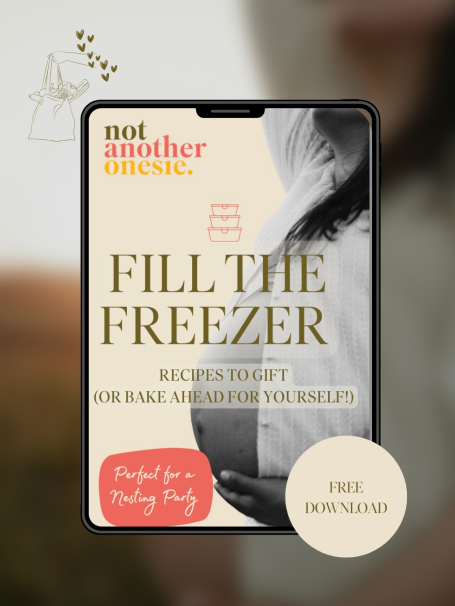
Fill the Freezer - recipes to gift or make ahead
Whether you’re preparing for your own postpartum, showing love to a new mum, or simply wanting to make everyday life a little easier, food is one of the most nourishing gifts we can give. This recipe collection has been created with you in mind: quick to make, freezer-friendly, and packed with ingredients that fuel tired bodies and busy minds. Each one can be baked ahead of time for yourself or wrapped up and given as a thoughtful gift. Includes 6 recipes, a shopping list and a plan to get them all prepped and ready in one go.
You may also be interested in...


Mothers’ Group (Nurturing Beginnings)
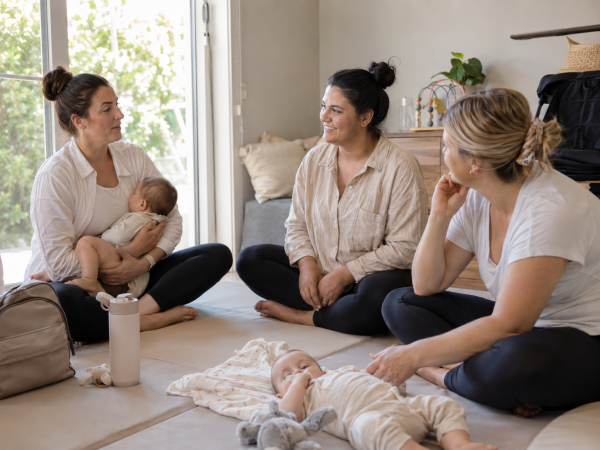
Mothers’ Group is a community-based initiative of Nurturing Beginnings, a registered Australian charity working to make meaningful support during the first year of motherhood accessible to every mother, regardless of her financial circumstances, location or existing support network.

Cultivation Counselling – Me, We, Us
For years, Bree, a relationship counsellor, founder of Cultivation Counselling, and creator of Me, We, Us, has worked closely with individuals and couples as they navigate the messy, meaningful, and often overwhelming parts of life and relationships.
Learn about the support you didn't know you needed.
We have cherry picked the most useful resources for your fourth trimester so that you don't have to waste precious hours searching.

Article - Elise Clement (Elise Clement Psychotherapy & Coaching)
Tips to avoid maternal burnout
Perfectionism is not a healthy habit. Even less so when it comes to motherhood, unless you’re keen to rub shoulders with overwhelm, resentment, rage and the feeling of never being satisfied, which can eventually lead to maternal burnout.
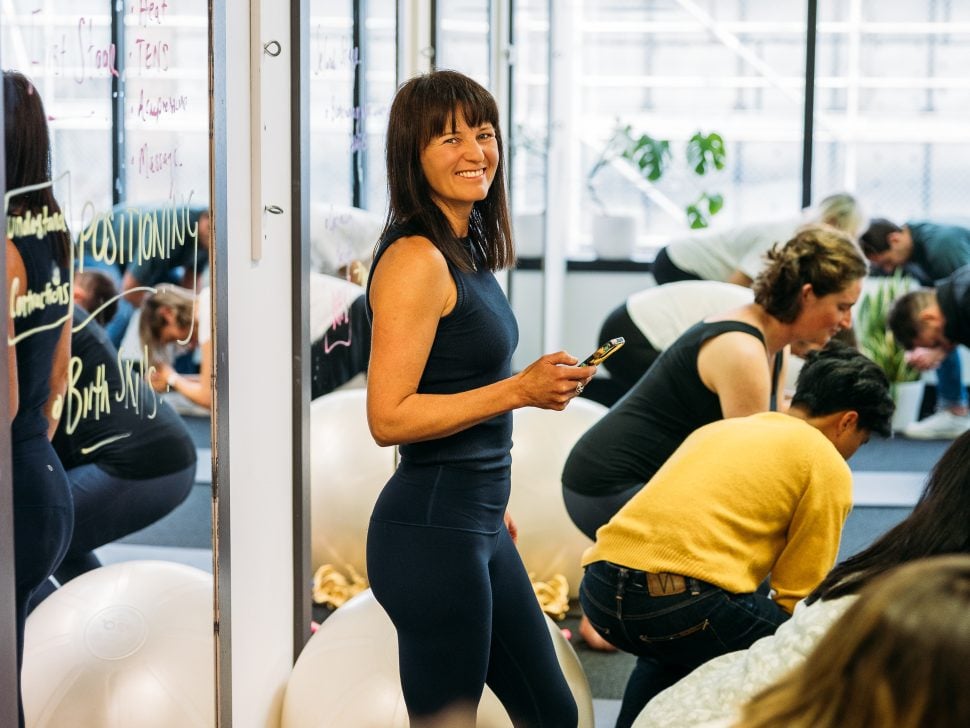
Article - Joelene Murdoch (Born Ready)
Understanding and reducing fear in birth: Empowering women through knowledge and preparation.
But what if you could approach birth with confidence, clarity, and peace of mind? What if, instead of fearing the unknown, you were able to embrace it as a powerful, empowering journey?
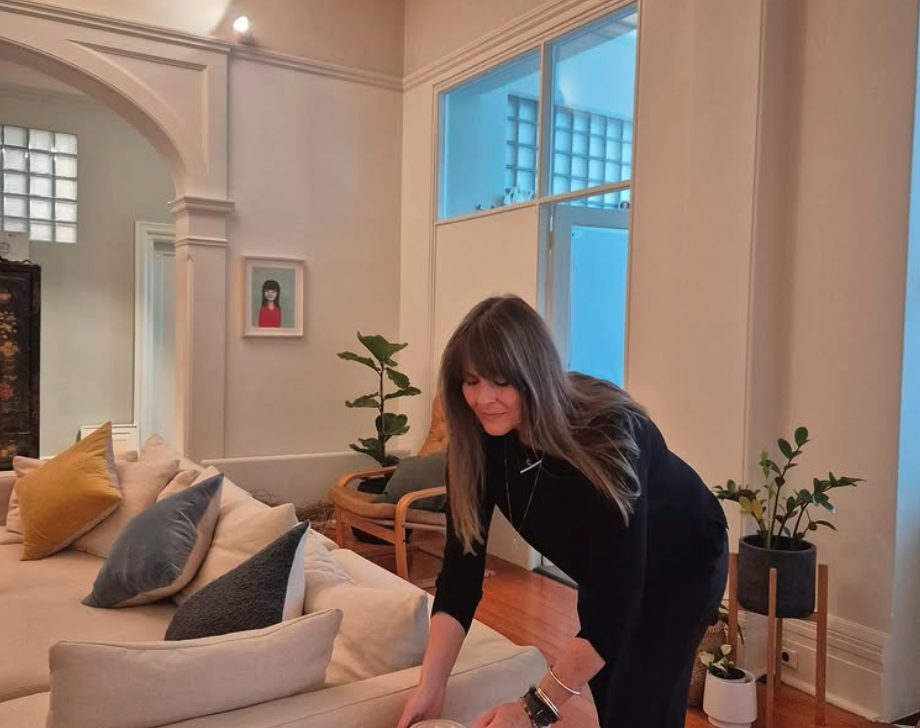
Article - Kendra Greig (The Homecoming Concierge)
Inside the Postpartum Home Preparation Service Transforming New Parents’ First Days
The NEST postpartum home preparation service is designed to create a soft landing for new parents and parents travelling with young children, this offering blends practical support, newborn home organisation, nourishing postpartum food, thoughtful touches, and a deep understanding of what new mothers and families truly need in those early days. We interviewed Kendra Greig the founder of NEST, to explore what inspired this unique service, what families can expect, and how a beautifully prepared home can ease the transition into newborn life.


Article - Louise Barton & Elisha Wildblood (Not Another Onesie)
Motherhood & Friendships – Why Everything Feels Different & How to Navigate the Change
The shift in friendships after having a baby is real, and it’s something almost every mother experiences. Let’s dive into why friendships change after motherhood, how to navigate the emotional shifts, and ways to find a new support system that actually fits your life as a mum.