

Why Becoming Parents Changes Even the Strongest Relationships (And What Actually Helps)
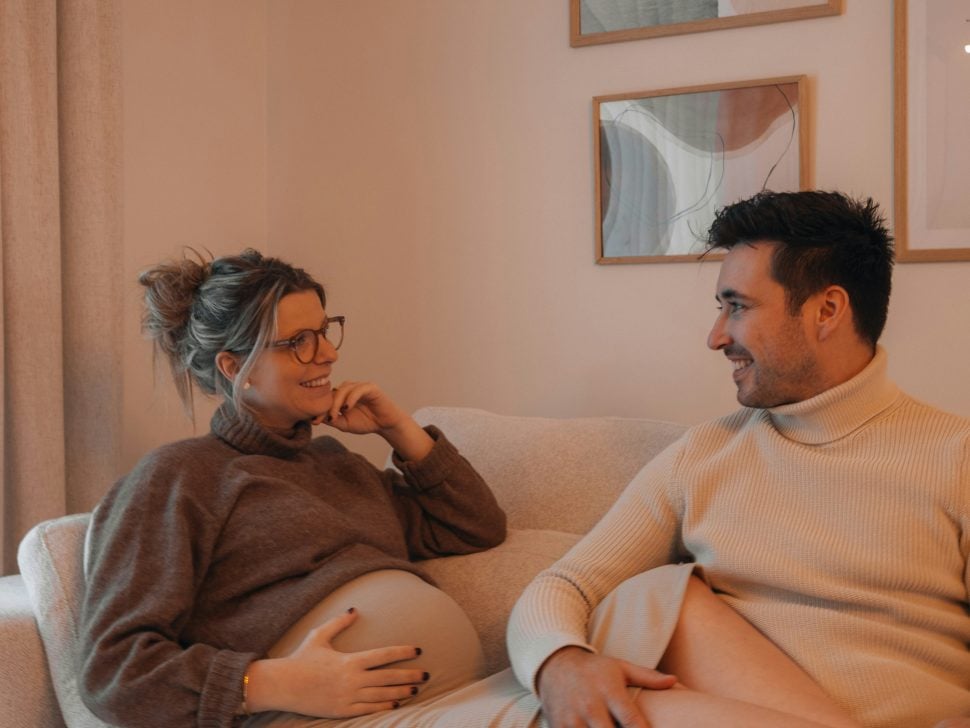
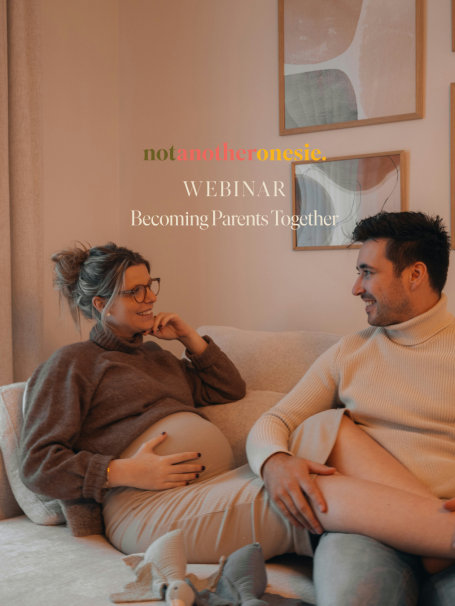
Becoming Parents Together - Webinar
In this webinar, relationship and fatherhood experts share practical insights into navigating this season together, with a special focus on supporting dads, strengthening communication and building a supportive village around your family. You’ll leave with simple, evidence-informed strategies to help you feel more connected, confident and supported as you step into parenthood together.
Bringing home a new baby is one of life’s most joyful milestones. It’s also one of the biggest changes a relationship will ever experience.
While we spend months preparing for birth, choosing baby gear and decorating nurseries, very few of us are taught how to prepare for the emotional, practical and relational changes that come with becoming parents.
If you’ve ever found yourself wondering:
- Why are we arguing more since having a baby?
- Is it normal to feel disconnected from my partner after becoming parents?
- Why does my partner seem withdrawn?
- How can we stay connected during the newborn stage?
- Why does becoming parents feel harder than we expected?
The transition into parenthood changes both parents
Much of the conversation around new parenthood rightly focuses on mothers, their recovery and the incredible transition known as matrescence.
But fathers experience a significant transition too.
Known as patrescence, the journey into fatherhood brings its own identity shifts, emotional challenges and adjustments. Many dads quietly wonder if they’re doing enough, struggle to find their place, or feel pressure to be the strong one while supporting everyone else.
At the same time, couples are navigating sleep deprivation, new routines, changing roles, financial pressures and the biggest identity shift they’ve ever experienced together.
It’s no wonder even the strongest relationships can feel different after a baby arrives.
The good news?
Feeling challenged doesn’t mean something is wrong. In many cases, it means you’re experiencing one of the most significant transitions of your lives.
Why support matters for dads, couples and families
When parents are supported, families thrive.
Research and lived experience continue to show that a father’s wellbeing influences not only his own mental health, but also his partner’s wellbeing, his baby’s development and the overall health of the family.
Strong relationships don’t happen by accident during this season. They grow through understanding, communication, community and knowing when to ask for support.
The earlier couples understand what’s happening beneath the surface, the more confident and connected they often feel as they navigate parenthood together.
A webinar every expectant and new parent should watch
That’s why we’ve brought together three incredible organisations for a special online webinar exploring the conversations every couple deserves to have before and after baby arrives.
Together we’ll explore:
- The transition into fatherhood and why dads need support too.
- Why becoming parents changes relationships and practical ways to stay connected as a couple.
- How fathers can build confidence, community and connection during early parenthood.
Whether you’re pregnant, adjusting to life with a newborn or supporting someone you love through this season, you’ll come away with practical strategies, reassurance and a greater understanding of what both parents are experiencing.
Watch (or listen) in whatever way suits you best. Whether it’s on your laptop, phone, iPad, or by casting it to your TV, this webinar is designed to fit around your life. You can even listen while you’re driving, out for a walk or feeding your baby.
You’re welcome to watch it all in one sitting or come back to it whenever it suits. The webinar is divided into three speaker sessions, each around 10–12 minutes, making it easy to watch in smaller sections at your own pace. Revisit it as often as you like whenever you need a refresher or a little extra support.
Guest Speakers:
Jason Seeman – Raising Fathers Jason supports men through the transition into fatherhood by helping fathers build confidence, connection and stronger family relationships.
Bree Baxter – Cultivations Counselling Bree Baxter is a relationship counsellor, educator and founder of Cultivations Counselling, supporting couples to strengthen their relationships through life’s biggest transitions. Creator of Me, We, Us, a programme designed for couples preparing for parenthood who want to care for their relationship as they step into family life.
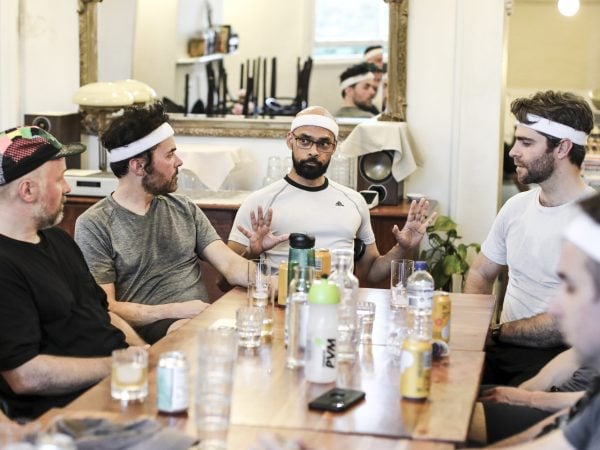
Tom Ruijs – Dadfit Dadfit supports dads to help build healthy, gender-equal families. We bring local dads together through workouts and facilitated Dad Chats, creating a safe, practical space to connect, build confidence, and show up positively at home and in the community.
Watch when it suits you
Life with a baby isn’t predictable and needs a new level of flexibility.
Watch it from the couch during a feed, listen while you’re out walking, cast it to the TV after bedtime or come back to it in smaller sections whenever you have time.
Free for every family
We believe every family deserves access to trusted, evidence-informed support during one of life’s biggest transitions.
That’s why we’ve made this webinar completely free.
Our hope is that by removing the cost barrier, more mums, dads and partners can access these conversations, feel less alone and gain practical tools that strengthen their confidence, relationships and wellbeing.
If even one idea helps a family feel more connected, supported or understood, then it’s worth sharing.
Watch or listen to the webinar today
Becoming Parents Together: The Conversations, Confidence and Connection Every Couple Needs brings together three organisations dedicated to supporting fathers, relationships and families through the transition into parenthood.
Whether you’re expecting your first baby, navigating the newborn months or supporting someone you love, this webinar offers practical insights, reassurance and real conversations that every parent deserves to hear.
Becoming Parents Together
In this webinar, relationship and fatherhood experts share practical insights into navigating this season together, with a special focus on supporting dads, strengthening communication and building a supportive village around your family. You’ll leave with simple, evidence-informed strategies to help you feel more connected, confident and supported as you step into parenthood together.


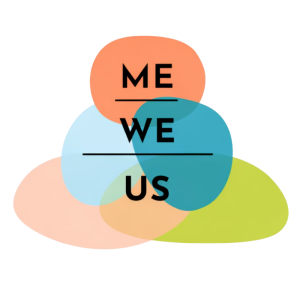

Cultivation Counselling – Me, We, Us
For years, Bree, a relationship counsellor, founder of Cultivation Counselling, and creator of Me, We, Us, has worked closely with individuals and couples as they navigate the messy, meaningful, and often overwhelming parts of life and relationships.


Conversations to Have Before Bub Arrives - Free to Download
The best preparation isn’t having all the answers, it’s knowing how to have the conversation.
Download your free Couples Conversation Cards and create space for the discussions that can help you navigate pregnancy, postpartum and parenthood as a team.
You may also be interested in...




The Homecoming Concierge
We know that coming home with a new baby is magical — and also deeply vulnerable. Between recovery, sleepless nights, and finding new rhythms, it can be overwhelming. The Nest is our signature postpartum homecoming service: designed to make your transition smoother, calmer, and filled with thoughtful touches.
Learn about the support you didn't know you needed.
We have cherry picked the most useful resources for your fourth trimester so that you don't have to waste precious hours searching.
Article - Jason Seeman (Raising Fathers)
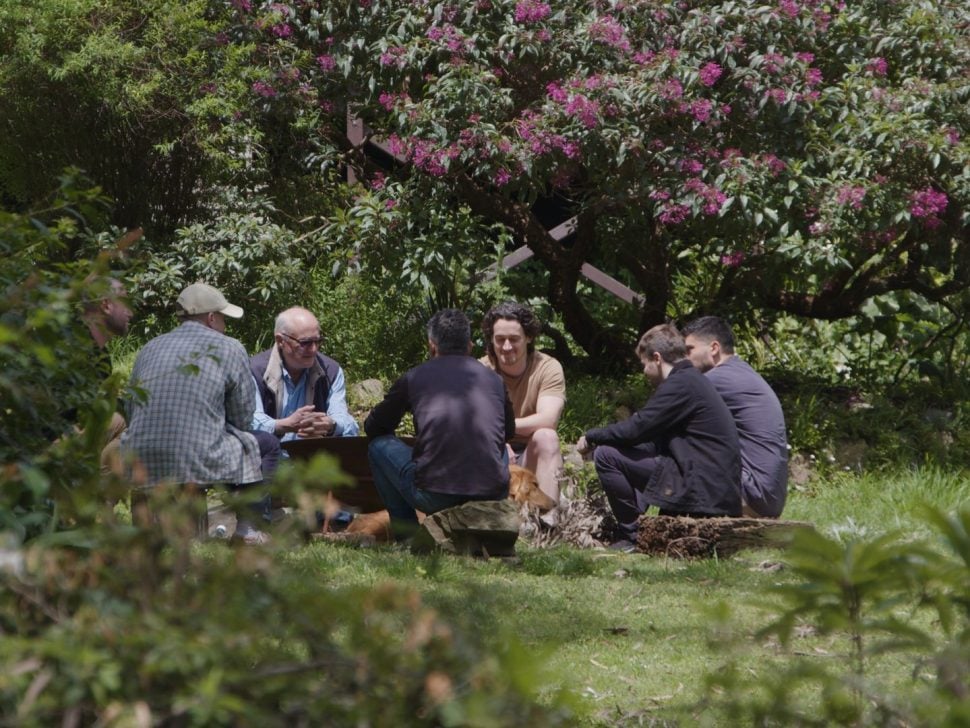
Why the Transition to Fatherhood Can Feel So Hard: Dads’ Mental Health, Relationships & Patrescence
Raising Fathers offers educational courses, community events and mentoring for men moving through that transition, working from a simple premise: better dads lead to better families, and better families shape a better world. When fathers fully show up, families and culture thrive.

Article - Hiba Hachem (Seed Sync)
Hormone Health in Pregnancy and Postpartum: A Naturopath’s Guide to Supporting Your Changing Body
During pregnancy and after birth, hormone levels rise and fall dramatically in a relatively short period of time. These changes are completely normal, but they can also create challenges if the body lacks the nutritional resources and support needed to adapt.

Article - Lucy Bartlett (Nomad Chiropractic)
Why Would a Baby Need to See a Chiropractor?
Gentle care, big impact — what infant chiropractic is really about When people hear the words “chiropractor” and “baby” in the same sentence, it can raise eyebrows — and fair enough. At Nomad Chiropractic, we don’t “crack” newborns or treat them like tiny adults. In fact, our work with babies is one of the gentlest and most intuitive things we do.
Article - Narelle Dickinson ( Lotus Health and Psychology)
Is This Normal? The Emotional Rollercoaster of Pregnancy and Motherhood.
Mental health during pregnancy and postpartum is something many mothers don’t expect to struggle with, but it's more common than we think. In this interview with Lotus Health and Psychology, we explore what perinatal mental health support really looks like, why anxiety is often overlooked, and how to take the first steps even when you feel like you’re running on empty. Whether you're expecting, newly postpartum, or years into motherhood, these insights might be the nudge you didn’t know you needed.

Article - Kendra Greig (The Homecoming Concierge)
Inside the Postpartum Home Preparation Service Transforming New Parents’ First Days
The NEST postpartum home preparation service is designed to create a soft landing for new parents and parents travelling with young children, this offering blends practical support, newborn home organisation, nourishing postpartum food, thoughtful touches, and a deep understanding of what new mothers and families truly need in those early days. We interviewed Kendra Greig the founder of NEST, to explore what inspired this unique service, what families can expect, and how a beautifully prepared home can ease the transition into newborn life.