Becoming a mum is one of the most transformative experiences in life, but let’s talk about something that often gets overlooked: how it affects your friendships and social life.
If you’ve ever thought:
Why do I feel disconnected from my old friends?
Am I the only one feeling lonely after having a baby?
How do I make new mum friends who actually get me?
You’re not alone. The shift in friendships after having a baby is real, and it’s something almost every mother experiences. Let’s dive into why friendships change after motherhood, how to navigate the emotional shifts, and ways to find a new support system that actually fits your life as a mum.
Why Do Friendships Change After Becoming a Mum?
Your Priorities Have Shifted
Late-night cocktails have been swapped for late-night feeds, and suddenly, small talk about work drama seems a little… unimportant. Your world has expanded, but not everyone’s has changed in the same way.
How to Navigate It:
Instead of feeling guilty, acknowledge that you and your friends may be in different life stages. The best friendships will evolve with you.
Some Friends Just Don’t Get It
If your pre-baby social circle mostly consisted of non-parent friends, they might struggle to relate to your new world of naps, feeding schedules, and sleep deprivation.
You: “I was up five times last night.”
Them: “Just take a nap!”
You: Internally screaming.
How to Navigate It:
Keep communication open, your friends might not understand how much your world has changed until you share it with them. At the same time, accept that some friendships may naturally fade or shift – and that’s okay.
Mum Life Can Feel Isolating
Even with a baby in your arms 24/7, motherhood can be lonely. Your routines are non-existent, and spontaneous catch-ups might feel impossible.
How to Navigate It:
Prioritise connection in new ways like voice notes, group chats, or short coffee dates with friends who understand your limited time. And if your old social circle isn’t filling your cup, it might be time to expand your village.
How to Make New Mum Friends (Without the Awkward Small Talk)
If your friendships have changed, and you’re feeling lonely, you’re not broken, this is normal. The key is to find your people, other mums who get it and won’t judge you for sending texts at 2 AM while cluster feeding.
Where to Find Mum Friends Who Actually Get You:
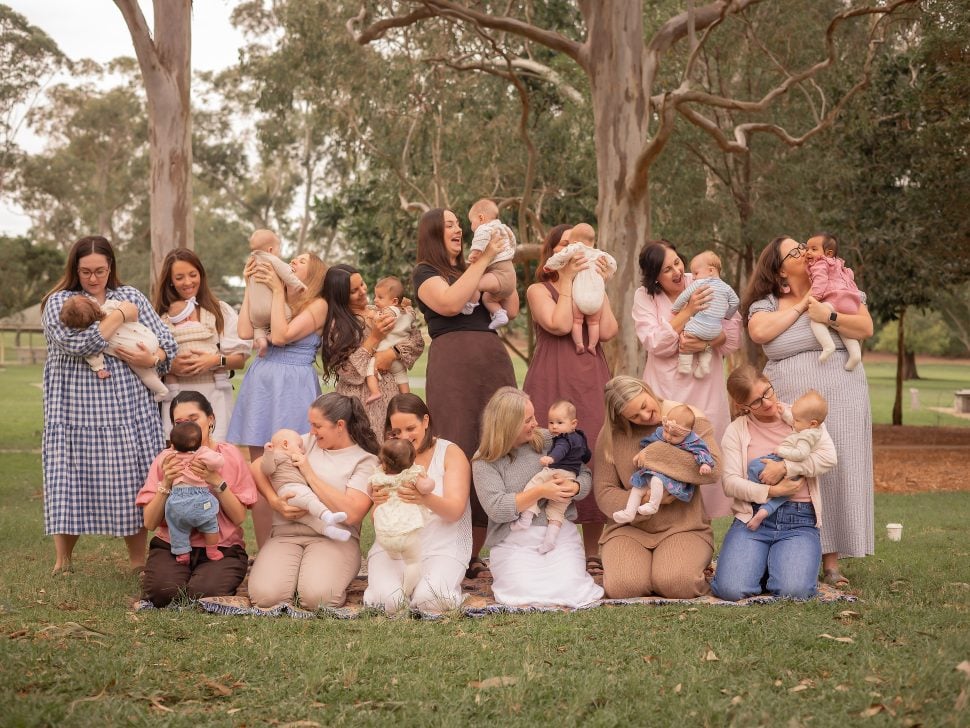
- Mum & Baby Groups – Local parenting groups, baby sensory classes, and community meetups are great places to connect.
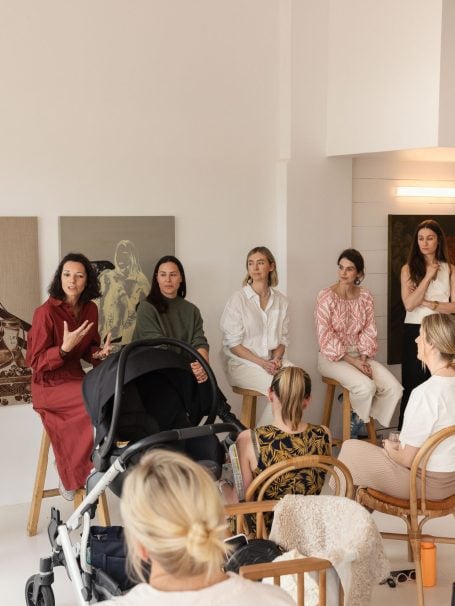
- Online Mum Communities – Facebook groups, Instagram circles, and online forums (like Not Another Onesie’s gather Your village events!) offer support from other mums in the same season of life.
- Postpartum Support Networks – If you’re struggling emotionally, connecting with postpartum mental health groups or new-mum therapists can help.
- Reconnect with old friends – Some friendships may have faded simply because of different routines. Reach out and see if they want to reconnect in a new way.
Tip: Don’t be afraid to be the one to reach out first. Most new mums are craving connection just as much as you are!
How to Keep Old Friendships Strong After Baby
Not all friendships will drift apart, some will deepen in unexpected ways. Here’s how to maintain them:
- Set realistic expectations. Your social life will look different now, and that’s okay! Small efforts (like voice notes or occasional check-ins) still count.
- Find middle ground. Meet up in ways that work for your new life – think brunch instead of late-night drinks or playdates at the park instead of big outings.
- Share what you need. If you need more support, say so. True friends will want to be there for you, even if they don’t fully understand the motherhood juggle.
- Accept that some friendships will change. Not all friendships are meant to last forever. Instead of mourning what was, embrace the new connections waiting for you.
Final Thoughts:
You’re Not Alone in This Shift
Motherhood changes everything, including friendships. But instead of seeing it as losing connections, think of it as creating a new village that truly supports you through this new adventure you’re on.
Some friendships will fade and that’s okay.
Some will deepen in unexpected ways and that’s beautiful.
And new ones will form, with people who truly get this season of life.
Sometimes, friendships that have faded a little might just pop back up when those friends go through the ups and downs of motherhood themselves. Suddenly, they’re looking at things from your perspective.
You are not alone. Your people are out there. And we’re here to help you find them.